
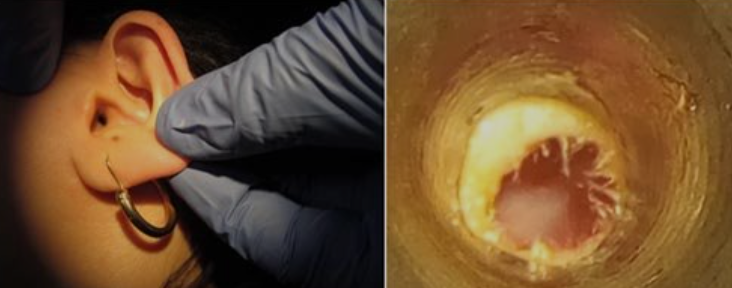
A fungal ear infection or otomycosis comes in like a thunderbolt and leads to severe itching and pain in the ear canal. Any person who encounters chronic ear pain or drainage will be left wondering whether it is fungi to blame, vis-à-vis a damp climate. This guide is very much more detailed, presenting symptoms to remedies, making the readers identify it immediately and find relief in the shortest time possible.
Imagine this: a warm climate, swimming pools, and even a simple shower become a habitat of such fungi as Aspergillus or Candida. The microorganisms survive in wet conditions, which cause inflammation and accumulation. Fungal infections are not treated by regular antibiotics and require specific treatment, unlike bacterial ones. When one appreciates such a condition, it becomes easy to act fast- preventing the development of such complications such as loss of hearing or expansion to other regions.
What Is a Fungal Ear Infection?
A fungal ear infection is an overgrowth of fungi in the outer ear canal, which causes otomycosis. This situation is in contrast to common swimmer’s ear (bacterial otitis externa) since fungi such as Aspergillus niger or Candida species are the cause of it. The warm and moist conditions of the ear canal are perfect for these organisms.
Symptoms usually develop gradually. White, black, or yellow debris may appear, along with itching, irritation, and pain. There may also be a feeling of fullness in the ear and muffled hearing. In more severe cases, the ear canal can become swollen, making even light touch uncomfortable. Using a hearing aid during infection may worsen discomfort and should be managed carefully under professional guidance.
Common Symptoms of Fungal Ear Infection
Early identification of signs is a difference. Ear infections caused by fungi have different symptoms:
- Fierce itching: This is the initial sign, and it is aggravated at night.
- Ear pain: Dull pain or sharp pain, which increases with movement of the jaw.
- Discharge: Cotton-white, yellowish or black fluffy spores are discharged.
- Fullness sensation: It feels as though the ear is being plugged.
- Redness and swelling: Canal inflames, occasionally with scaling.
- Deafness: Muffling in the short term due to the accumulation of debris.
- Smell: In advanced cases musty or yeasty smell.
These manifestations resemble bacterial infections, and the powdery discharge distinguishes the cases of fungus. A professional assessment is necessary in case they continue longer than a week.
Causes and Risk Factors Behind Fungal Ear Infections
Fungi enter the ear canal through everyday exposures. Primary causes include:
- Moisture buildup: Water trapped after swimming, bathing, or sweating feeds fungi.
- Trauma: Cotton swabs or scratches disrupt skin barriers, inviting infection.
- Antibiotic overuse: Kills good bacteria, letting fungi dominate.
- Warm, humid climates: Thrives in places like India during monsoons.
Risk factors amplify vulnerability:
Risk Factor | Why It Matters |
Diabetes | High sugar levels nourish fungi. |
Weakened immunity | HIV and chemotherapy reduce defences. |
Hearing aids/earplugs | Trap moisture against the skin. |
Eczema/psoriasis | Damaged skin eases fungal entry. |
Frequent earwax removal | Irritates canal, creating entry points. |
Understanding these helps in dodging the condition proactively.
How Fungal Ear Infections Differ from Bacterial Ones
Not all ear infections are alike. Bacterial versions respond to antibiotics, while fungal ones worsen with them. Key differences:
- Appearance: Bacterial discharge is pus-like and watery; fungal is dry and flaky.
- Pain level: Fungal itching dominates; bacterial pain throbs more.
- Treatment: Antifungals like clotrimazole for fungi; antibiotics for bacteria.
- Duration: Fungal cases linger without proper care.
Doctors swab the ear for lab confirmation, ensuring the right approach.
Diagnosing a Fungal Ear Infection
The diagnostic process starts with the examination performed with the help of an otoscope, and doctors perform it. They look for visible signs of fungal infections. Professional Cleaning A specialist (like those at The Hearing Centre) may use micro-suction to remove fungal debris.
The process examines the debris color and swelling to determine the result. The ear swab procedure involves taking a sample which is sent for microscopic and culture analysis to identify fungi. The acidity level of the ear canals increases due to fungal infections, which results in lower pH values. The procedure removes allergies and various health disorders to guide proper therapeutic interventions.
Treatment of Fungal Ear Infection
The treatment is aimed at drying the ear and eliminating fungi. Standard options:
- Antifungal ear drops: Clotrimazole, fluconazole or miconazole are used 2-3 times a day, 7-14 days.
- Cleaning: The physician cleans debris with magnification.
- Oral antifungals: In cases that are difficult to treat, such as itraconazole.
- Steroid drops: Lessen inflammation with antifungals.
Healing takes 1-4 weeks. Follow-up ensures clearance. To avoid resistance, avoid self-medicating.
Home Remedies to Ease Symptoms
During the waiting time before medical assistance, moderate medicines alleviate:
- Vinegar mix: This mixture of equal parts of white vinegar and a few drops of rubbing alcohol eliminates the canal. Use sparingly.
- Garlic oil: This is a natural antifungal; use cloves, crush them, pour oil over and place them warmly.
- Tea tree oil: A drop of tea tree oil diluted fights fungi (patch test first)
- Keep dry: After taking a shower, use a hairdryer on a cool and low setting.
Doctors swab the ear for lab confirmation, ensuring the right approach for those using Starkey hearing aids or other devices.
Prevention Strategies for Fungal Ear Infections
Staying ahead beats treatment. Practical tips:
- Dry ears thoroughly after water exposure.
- Use alcohol-vinegar drops prophylactically when swimming.
- Avoid cotton swabs; let wax self-clean.
- Choose breathable ear protection for water sports.
- Manage diabetes and skin conditions diligently.
- For those wearing Phonak hearing aids in Singapore, ensure regular professional check-ups.
Consistent habits slash recurrence risks dramatically.
When to See a Doctor Urgently
Seek immediate care if:
- Pain spreads to the neck or face.
- Fever develops.
- Discharge increases or smells foul.
- Hearing drops sharply.
- Symptoms were ignored after 48 hours.
Delays risk deeper spread or mastoiditis.
Long-Term Management and Complications
Cases that are chronic require constant attention. Such complications as the perforation of the membrane of the eardrum or the extension of fungi require the services of specialists, ENT doctors or audiologists at The Hearing Centre. Changes in lifestyle and frequent check-ups maintain it.
Changes in lifestyle and frequent check-ups maintain it.
Conclusion
At the cost of an obstruction and itch of the ear that cannot be removed in daily life, knowledge reverses the situation with a fungal ear infection. Whether it is the identification of flaky discharge or the application of specific antifungals and dry tips, readers equipped with a gun perform fast. It is easiest to prevent it with dry ears and clever habits. Get medical experts to create individualized plans- relief is upon immediate action. Always keep alert, particularly during hot seasons.
Frequently Asked Questions
Due to excess moisture, swimming, shower or sweat provide the ideal breeding environment for the fungus. Swabbing or scratching ruptures skin barriers, and excessive consumption of antibiotics removes the good bacteria, allowing fungi such as Aspergillus or Candida to take their place. Humid climates speed this up.
Most of them are cleared in 1-2 weeks with proper treatment, whereas the cases that are not taken care of drag on, making the victim live in discomfort. Immunity and compliance with drops are some of the factors affecting speed. Full recovery encompasses clean up of debris and dryness.
Unless there are immunocompromised individuals, they rarely go beyond the outer canal in healthy individuals. Without any treatment, accumulated matter may puncture the eardrum, and hence early treatment prevents the process.
Yes, under the prescribed dosage of a paediatrician. Clotrimazole is effective in children above 2 years old; otherwise, it may be irritating and lead to resistance.
It foams to loosen debris slightly, yet usually irritates delicate canals–use less irritating vinegar-alcohol blends. Peroxide is only appropriate when it comes to cleaning under supervision, but not as a repair.
Yes–the water in pools, e.g. chlorinated water, is good in humid areas. Higher in tropical swimmers; prophylaxis drying decreases after swimming.
No inter-personal direct; fungi are air, water, or soil spores. It may be indirectly caused by shared towels or dirty equipment, and thus, poor hygiene.
Refined carbs and high-sugar foods provide a nutrient feed to the yeast-like fungi on a systemic level. In the healing process, focus on the low-sugar vegetable foods, proteins, and probiotics to naturally starve them.
Stress indirectly impairs immunity, retards healing and causes ear drying to be neglected. With humidity, it increases vulnerability, and relaxation helps to prevent it.
doctors have no problem with suction or irrigation. DIY is dangerous because it may cause fungi to go further- wait first to have professionals remove the debris.