Looking for the right hearing aid device in Singapore? Learn about types, costs, features, and how to choose the best one for your hearing loss needs.
Hearing Aid Device: Everything You Need to Know Before You Buy
Nobody plans for this moment. You sit in the audiologist’s chair, they show you your results, and suddenly you’re being told you need a hearing aid device. And your brain? It just starts spinning.
Which one do I even get? How much is this going to cost? Will it be obvious when I’m wearing it? Will it actually work?
Real questions. All of them. And honestly, most people spend weeks stuck in that confusion before they make any decision at all.
What usually surprises people once they start digging into it — hearing aid devices today look nothing like what their parents or grandparents wore. The old chunky beige things are basically gone. What’s out there now fits almost invisibly, connects to your phone, some models even track your steps and health data. A few can translate languages. That part still catches people off guard.
So whether this is your first time thinking about hearing aids, or you’ve had an old device sitting in a drawer for three years — this guide is for you. Practical. Straight. No recycled clinic brochure language.
What Is a Hearing Aid Device?
Most people have a rough idea — it goes in or behind your ear, it makes sounds louder. That’s accurate but incomplete.
A hearing aid device is a small electronic instrument worn in or behind the ear. It picks up sounds around you, amplifies them, and delivers clearer audio into your ear canal. The goal is to help people with hearing loss actually follow what’s happening around them — conversations, alerts, everyday sounds they’ve been missing.
What’s changed dramatically is everything underneath that simple description. Today’s devices use artificial intelligence, Bluetooth connectivity, and directional microphone systems. They filter background noise. They focus on speech. They adjust to different environments automatically — often without you doing anything at all.
Simple version: a hearing aid device makes sounds louder and clearer for people who have difficulty hearing. Less simple version: the technology doing that is genuinely impressive now.
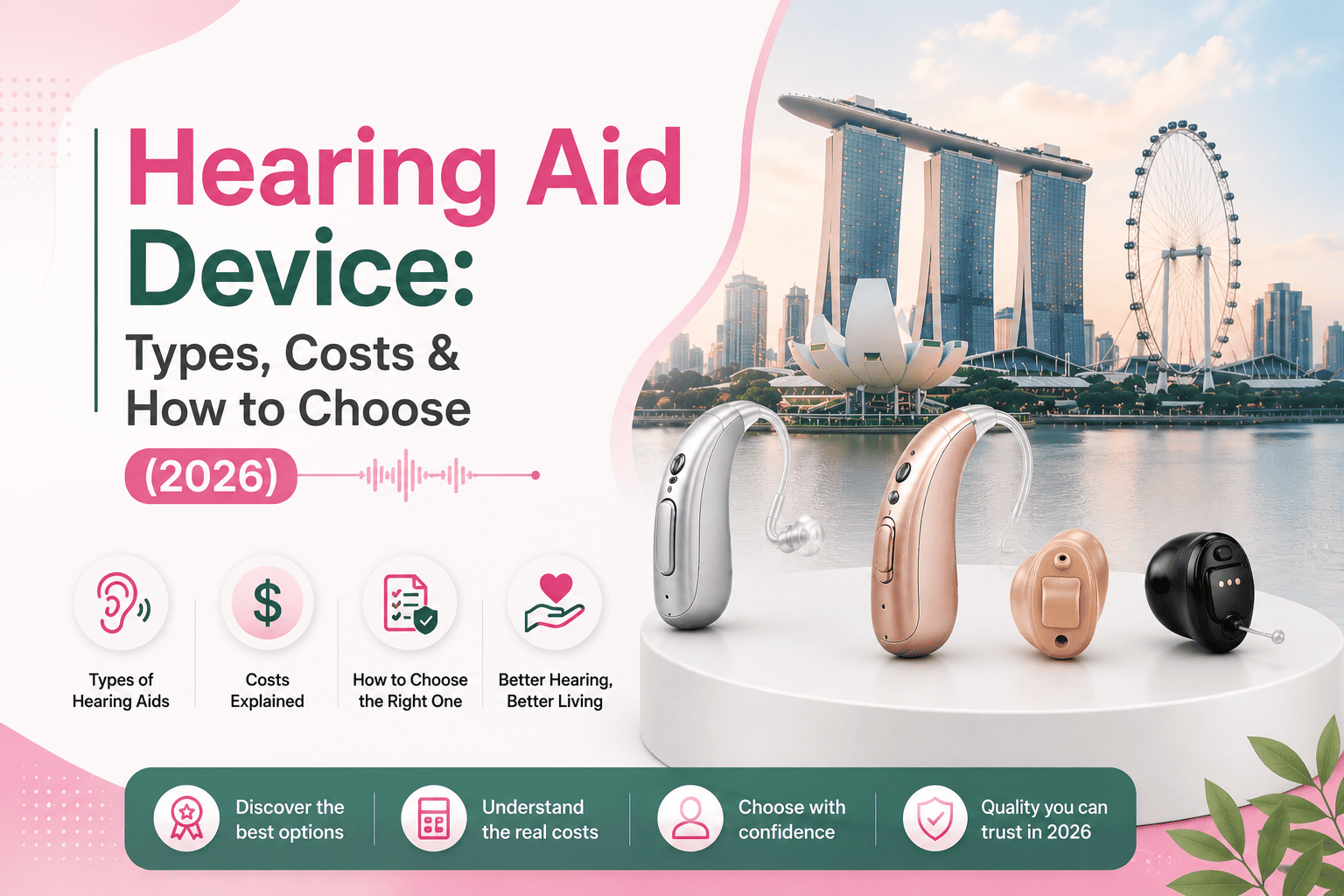
Types of Hearing Aid Devices Singapore: Which Style Is Right for You?
This is where most people get overwhelmed. So many styles, so many names. Here’s what each one actually is:
Behind-the-Ear (BTE) Hearing Aids
The main unit sits behind your ear. A thin plastic tube runs from it to a custom earmold sitting inside your ear canal. Everything — microphone, processor, battery — lives in that casing behind the ear.
It’s the style most people picture first, and there’s a reason audiologists still reach for it. Handles mild all the way through to profound hearing loss. If you need serious amplification, this is usually the starting conversation.
Elderly users and children tend to do well with BTE devices. Easier to pick up with older hands, easier to clean, easier to replace parts without buying a whole new device.
Receiver-in-Canal (RIC) Hearing Aids
Looks similar to BTE from a distance. The actual difference is that the speaker — called the receiver — moves out of the main body and sits directly in your ear canal, connected by a thin wire.
That one shift makes a real difference. Sound quality is better because the receiver is closer to your eardrum. The overall package is smaller and less noticeable. And most rechargeable models on the market right now are built on this design.
RIC is the most popular hearing aid style in Singapore and globally. There’s a reason for that.
Completely-in-Canal (CIC) Hearing Aids
Custom-made to fit almost entirely inside your ear canal. From the outside, basically invisible. That’s the main appeal.
The catch — small size means less room for features. Bluetooth isn’t available on most CIC devices. Manual controls are limited or absent. For mild to moderate hearing loss in adults who prioritise discretion, they work well. Just go in knowing the trade-offs.
In-the-Canal (ITC) Hearing Aids
Slightly bigger than CIC, sitting partially in the ear canal. More visible than CIC but more functional — some models include directional microphones and volume controls that simply can’t fit in a smaller device. Good middle-ground option.
In-the-Ear (ITE) Hearing Aids
These fill the outer part of your ear. More visible than canal-fit styles, but that size brings real benefits — longer battery life, easier handling, and room for more features. Solid choice for moderate to severe hearing loss, especially for people who find smaller devices frustrating to manage.
Invisible-in-Canal (IIC) Hearing Aids
The smallest style that exists. Sits so deep in the ear canal it’s genuinely invisible even at close range. Custom-made for each person.
Works for mild to moderate hearing loss only. Also worth knowing — not everyone’s ear canal anatomy can accommodate this style. Worth confirming early rather than getting attached to the idea and finding out later it won’t work for your ears.
How Does a Hearing Aid Device Work?
Every time a sound happens near you, here’s what’s happening inside the device in real time:
- Microphone — picks up sounds from your environment
- Amplifier — processes and strengthens the sound signal
- Digital processor — filters noise, boosts speech, adjusts frequencies
- Receiver/Speaker — sends that processed sound into your ear canal
- Power source — rechargeable battery or disposable zinc-air battery
The whole sequence runs in milliseconds. Fast enough that you don’t experience any gap between someone speaking and you hearing them.
Key Features to Look for in a Hearing Aid Device
Price tells you roughly where a device sits in the market. These features tell you whether it’ll actually work for your life:
Noise Reduction Technology The single most important feature for most people. Real noise reduction means you can follow a conversation at a hawker centre, on the MRT, at a family dinner with eight people talking at once. Premium models use AI to make these adjustments automatically. You don’t touch anything — the device just handles it.
Bluetooth Connectivity Phone calls, music, TV audio — streams straight into your hearing aids from your smartphone, television, or laptop. No earphones. No awkward speakerphone situations.
Rechargeable Batteries Swapping tiny zinc-air batteries every few days is genuinely annoying, especially for older users. Most premium hearing aids now run on lithium-ion batteries — full day of use from one overnight charge, quick-charge options available for when you’re in a rush.
Directional Microphones These focus on whoever is in front of you while reducing noise coming from other angles. Particularly useful whenever background sound is competing with the person you’re trying to hear.
Automatic Environment Detection The device switches between listening programs on its own — quiet home setting, noisy restaurant, music mode. No button pressing required.
Smartphone App Control Volume, programs, battery status, hearing health tracking — managed from your phone through a companion app. Most major brands offer this now.
Tinnitus Masking If ringing in the ears comes with your hearing loss, look for built-in tinnitus relief. White noise, ocean sounds, gentle tones — the options vary by brand but most premium devices include something.
Hearing Aid Device Brands Available in Singapore
At The Hearing Centre, we work with the world’s leading hearing aid manufacturers. The right brand depends on your specific hearing profile and how you live day to day.
Brand | Known For | Best For |
Signia | AI-powered Own Voice Processing | Natural sound quality |
Phonak | SmartSpeech™ technology | Noisy environments |
Starkey | Health tracking + fall detection | Active, health-conscious users |
ReSound | Deep Neural Network audio | Clarity in complex sounds |
Oticon | Brain-friendly sound processing | First-time users |
Rexton | Value-focused premium tech | Budget-conscious buyers |
How Much Does a Hearing Aid Device Cost in Singapore?
Wide range. Here’s an honest breakdown:
Entry Level: SGD $1,000 – $2,000 per device Basic amplification, straightforward programs, disposable batteries. Does the job for mild hearing loss in relatively quiet settings. Struggles in complex listening environments.
Mid-Range: SGD $2,000 – $3,500 per device Better noise reduction, Bluetooth, rechargeable batteries. Where most working adults end up — decent performance across a range of situations without hitting the top-tier price point.
Premium / Advanced: SGD $3,500 – $7,000+ per device AI processing, automatic environment adjustment, health monitoring, tinnitus masking, full smartphone integration. Built for people who need their hearing aids performing well everywhere — not just at home.
One thing worth knowing — most people end up wearing two hearing aids (binaural fitting) for better balance and speech clarity. So the per-device prices above usually apply twice in practice.
How to Choose the Right Hearing Aid Device for You
Here’s a framework that actually helps:
Step 1 — Hearing test first, device second An accurate audiogram maps the type, degree, and configuration of your hearing loss. That information determines which devices can genuinely help. Start here. Everything else follows.
Step 2 — Be honest about your lifestyle Noisy environments regularly? Lots of meetings, events, travel? Heavy TV or phone use? Your actual daily context — not your ideal version of it — should shape which features you prioritise.
Step 3 — Think practically about handling A device that’s beautiful but impossible to insert with arthritic fingers isn’t a good choice. For elderly users especially, a slightly larger BTE or RIC is usually far more practical than a tiny canal device that looks better in photos.
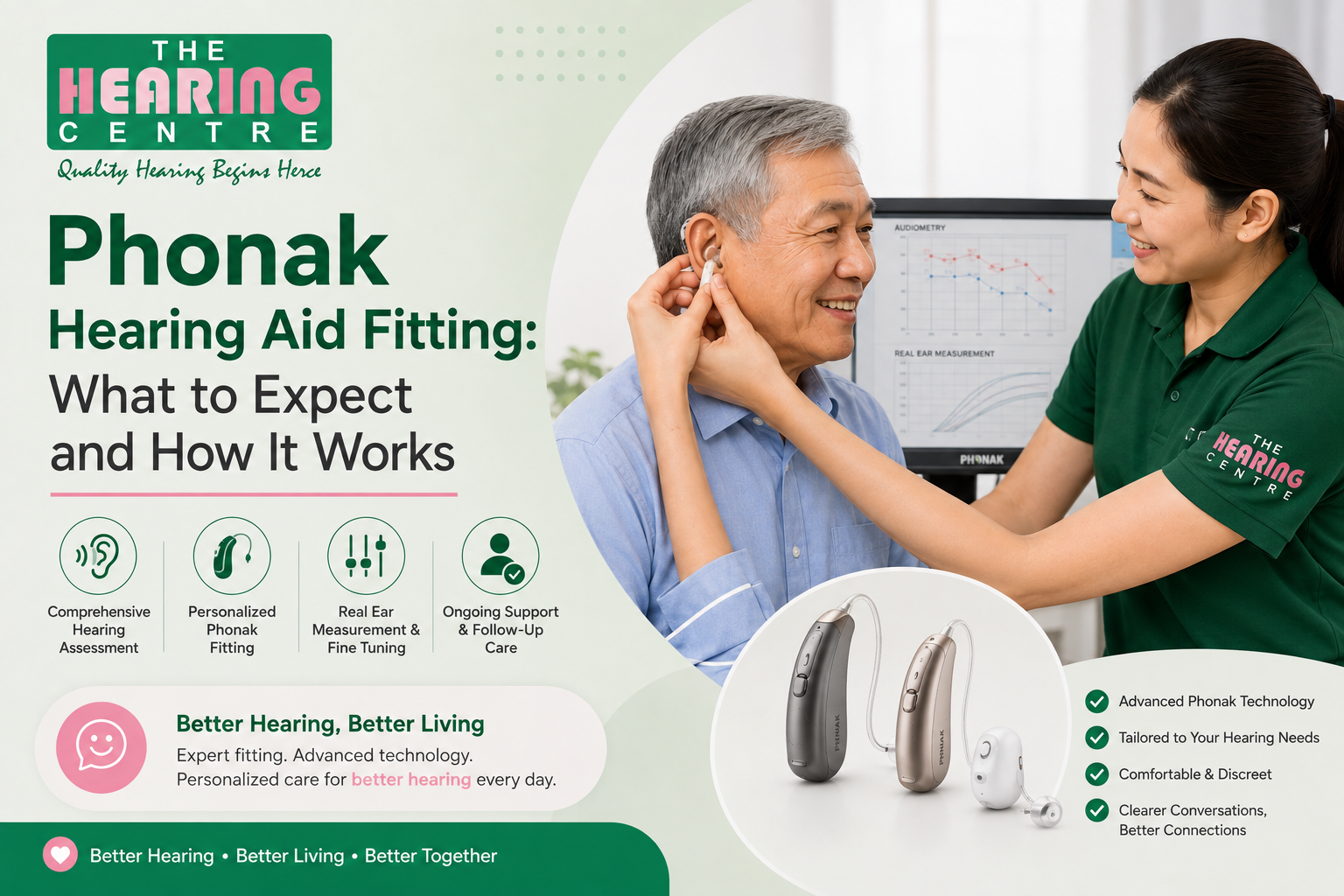
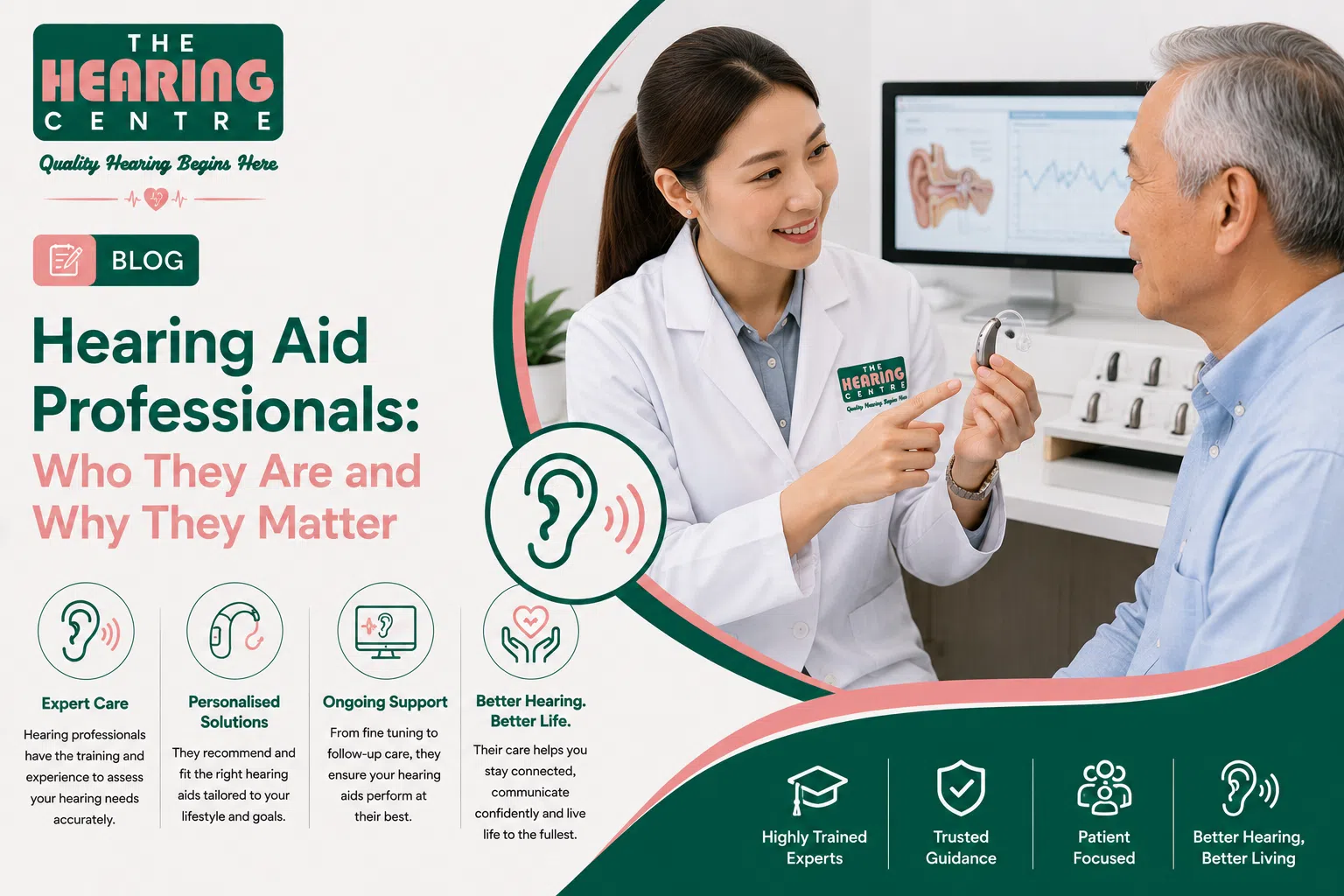
Step 4 — Work with a proper audiologist Programming matters as much as the device itself. A qualified audiologist uses Real Ear Measurement (REM) to verify the device is actually delivering the right amplification for your specific ears — not just a default setting that roughly fits your audiogram.
Step 5 — Use the trial period. Seriously. Reputable clinics offer one. Use it. Test the device in the environments you actually spend time in — noisy ones, quiet ones, wherever you struggle most. A fitting room tells you almost nothing useful.
Hearing Aid Fitting Service: What to Expect
More than one visit. That’s the first thing to know. A proper fitting journey looks like this:
- Comprehensive hearing evaluation — pure tone audiometry, speech testing, tympanometry
- Lifestyle and communication needs assessment
- Device selection and recommendation
- Fitting and programming using Real Ear Measurement
- Hands-on orientation and usage training
- Follow-up appointments to adjust as your brain adapts
Those follow-ups aren’t optional extras. A hearing aid that isn’t correctly programmed won’t perform — regardless of brand or price. The sessions after the initial fitting are often where the real difference gets made.
Caring for Your Hearing Aid Device
A well-looked-after hearing aid lasts five years or more. These habits genuinely extend that:
- Open the battery door overnight to let moisture escape (for non-rechargeable models)
- Store the device in a dry case or electronic drying kit each night
- Clean microphone ports and receiver daily with a soft brush — never use water directly
- Keep hearing aids away from hairspray, perfume, and sunscreen
- Remove them before swimming or showering
- Get professional cleaning and maintenance checks done regularly
None of this is complicated. But skipping it consistently adds up. A clean, dry hearing aid just sounds better and lasts longer.
Common Mistakes People Make When Buying a Hearing Aid Device
Buying online without a fitting Devices bought without professional programming matched to your actual hearing loss usually disappoint. The audiogram-to-programming step is where the real performance comes from.
Choosing purely on looks The smallest, most invisible option isn’t automatically the right one. If it can’t handle your degree of hearing loss, the way it looks becomes irrelevant pretty quickly.
Putting it off too long Research links untreated hearing loss to social withdrawal, cognitive decline, and increased dementia risk. That’s not designed to scare you — it’s just what consistent data shows. Earlier action leads to better outcomes.
Ignoring the trial period Your brain needs real-world exposure to adjust to amplified sound. The trial period exists for a reason — test the device where you actually struggle, not just in a quiet clinic.
Who Needs a Hearing Aid Device?
You might be a good candidate if:
- Asking people to repeat themselves has become a habit
- Noisy rooms feel exhausting to navigate conversationally
- Your TV volume is noticeably higher than what others prefer
- You’re missing sounds — doorbells, alarms, birds — that others catch easily
- Conversations leave you mentally tired from the effort of following them
- There’s a persistent ringing in your ears
If several of those feel familiar, start with a professional hearing test. Not a purchase.
Hearing Aid Devices for Special Needs
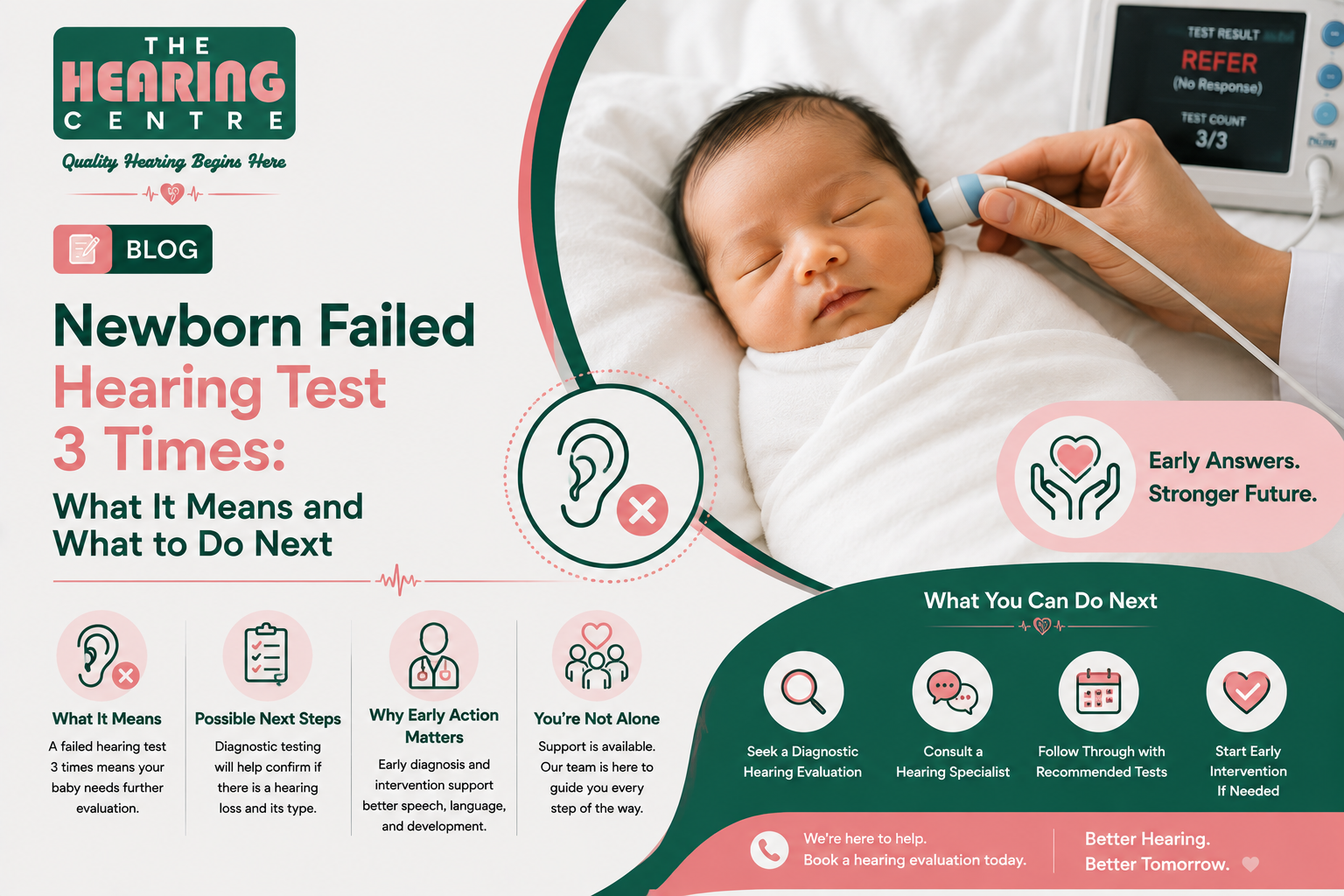
For Children Paediatric hearing aids are purpose-built — small ears, durable construction, designed for hearing needs that shift as kids grow. Early fitting isn’t optional here. Hearing directly shapes how speech and language develop from the very beginning.
For Elderly Users BTE or RIC styles with simple controls tend to work best. Fall detection and health monitoring features have become increasingly practical additions for older adults.
For Single-Sided Deafness CROS (Contralateral Routing of Signal) hearing aids and bone-anchored hearing devices both exist specifically for this situation. They approach the problem differently from standard hearing aids and are worth exploring with an audiologist if one ear has significantly more loss than the other.
Take the First Step Toward Better Hearing
A hearing aid device changes more than just how well you hear. For most people it changes how comfortably they move through their day — conversations with family, meetings at work, social situations they’d started quietly avoiding.
If you’ve been putting this off, or you’re just starting to notice things feel different — now is the time to do something about it.
The technology today is genuinely good. Discreet, smart, built for real life. There’s never been a better point to address hearing loss than right now.
At The Hearing Centre, our audiologists walk you through every step — from your first hearing test through to fitting and all the follow-ups that make the real difference. Every major brand. Real time taken to understand your life before anything gets recommended.
Book a comprehensive hearing evaluation today. Find the hearing aid device that actually fits your life — not just your ear.
Frequently Asked Questions
A hearing aid device amplifies and clarifies sound for people with hearing loss — helping them follow speech, pick up environmental sounds, and engage more naturally in everyday situations.
Degree of hearing loss, lifestyle, ear anatomy, and personal preference all factor in. A proper audiological evaluation is the only genuinely reliable way to work this out — guessing doesn’t serve you well here.
Most last 4 to 7 years with proper care and maintenance. Technology moves fast enough that many users choose to upgrade around the 4–5 year mark anyway.
No. Hearing aids improve how well you hear — they don’t reverse hearing loss. Correctly fitted and programmed, they make a real difference. But normal hearing is a different thing.
For most people, rechargeable is more convenient. One overnight charge covers a full day. No hunting for tiny batteries or carrying spares everywhere.
For hearing loss in both ears, two hearing aids (binaural fitting) produce noticeably better results — clearer speech in noise, better awareness of where sounds are coming from, less listening fatigue by end of day.
No. Take them out before bed. Ear canals need to breathe, moisture builds up inside the device overnight, and battery life suffers.
Many do. Built-in tinnitus masking features reduce how prominently the ringing registers. Combined with counselling, this can meaningfully improve daily quality of life for people dealing with both issues.
Usually 2 to 4 weeks. Your brain needs time to relearn how to process amplified sounds — particularly ones it hasn’t been receiving properly for a while. Follow-up appointments during this window help fine-tune the settings.
Yes from any age, including infants. Early fitting is critically important for language development and learning outcomes. Paediatric hearing aids are specifically designed with children’s needs and safety in mind.