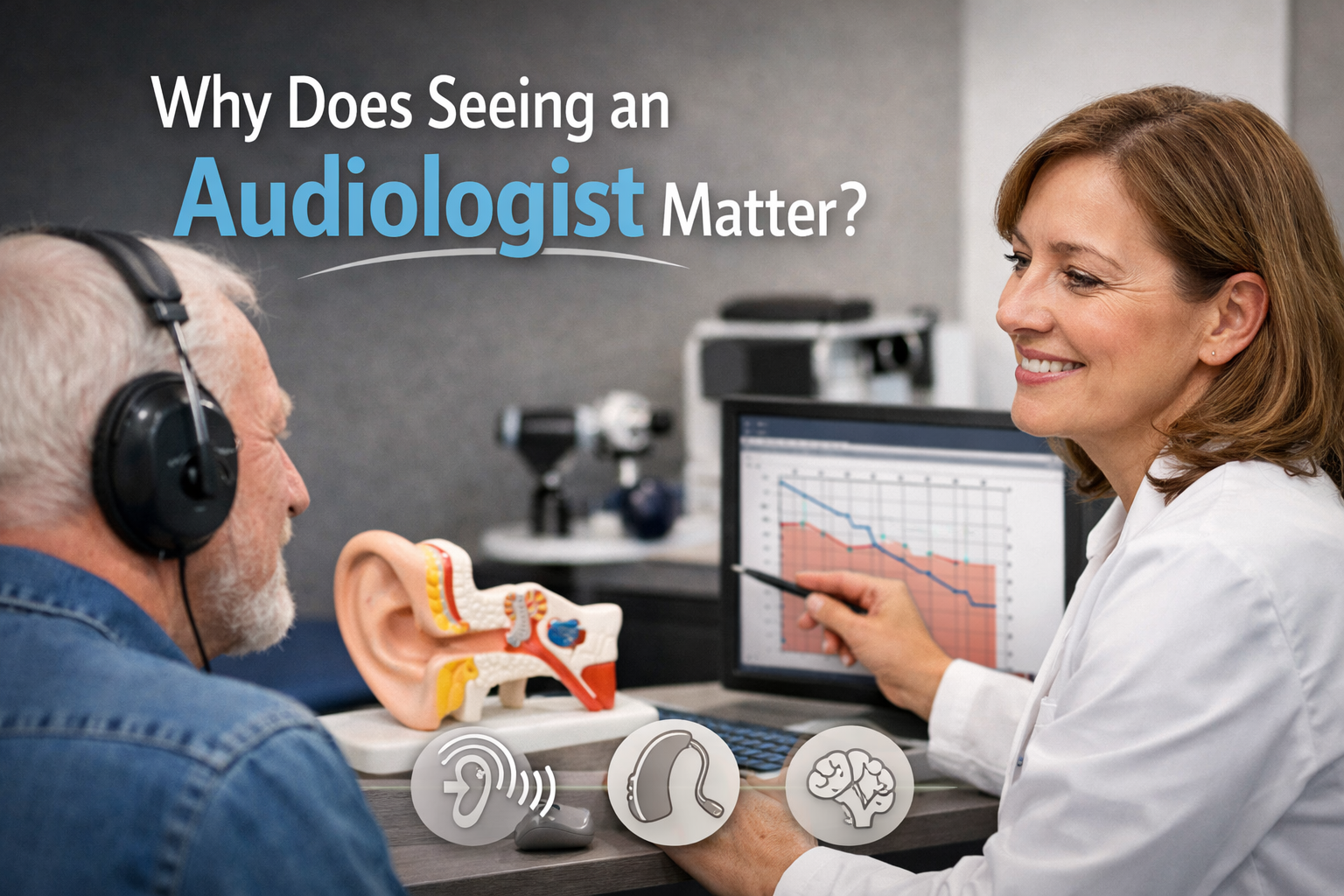
Hearing is one of the most important senses we rely on every day, yet it is often taken for granted until a problem arises. Conversations, work meetings, phone calls, music, and environmental sounds all shape how we interact with the world. When hearing becomes difficult, it can affect communication, confidence, relationships, and overall quality of life.
Many people ignore early hearing concerns or assume they are a normal part of ageing or stress. Others delay professional help because they are unsure who to see or believe the issue is minor. This is where an audiologist plays a critical role. Seeing an audiologist is not only about getting a hearing test. It is about understanding your hearing health, identifying problems early, and receiving professional guidance that supports long-term wellbeing.
This blog explains why seeing an audiologist matters, what an audiologist does, and how professional hearing care can make a meaningful difference at every stage of life.
Audiologists specialize in diagnosing and managing auditory conditions using evidence-based methods. They offer personalised solutions at The Hearing Centre, focusing on how hearing impacts real life.
Unlike general hearing checks or over-the-counter solutions, audiologists provide comprehensive and personalised care. They focus on understanding how hearing issues affect daily life and recommend solutions that are appropriate, safe, and effective.
Seeing an audiologist means receiving care from someone who understands both the science of hearing and the real-world challenges people face when hearing is affected.
Untreated issues lead to communication difficulties, isolation, and fatigue. Early hearing assessments detect changes before they affect well-being.
Untreated hearing issues may lead to:
Because hearing loss often develops gradually, many people adapt without realising the extent of the problem. Seeing an audiologist allows early detection and timely intervention, which can prevent these wider impacts.
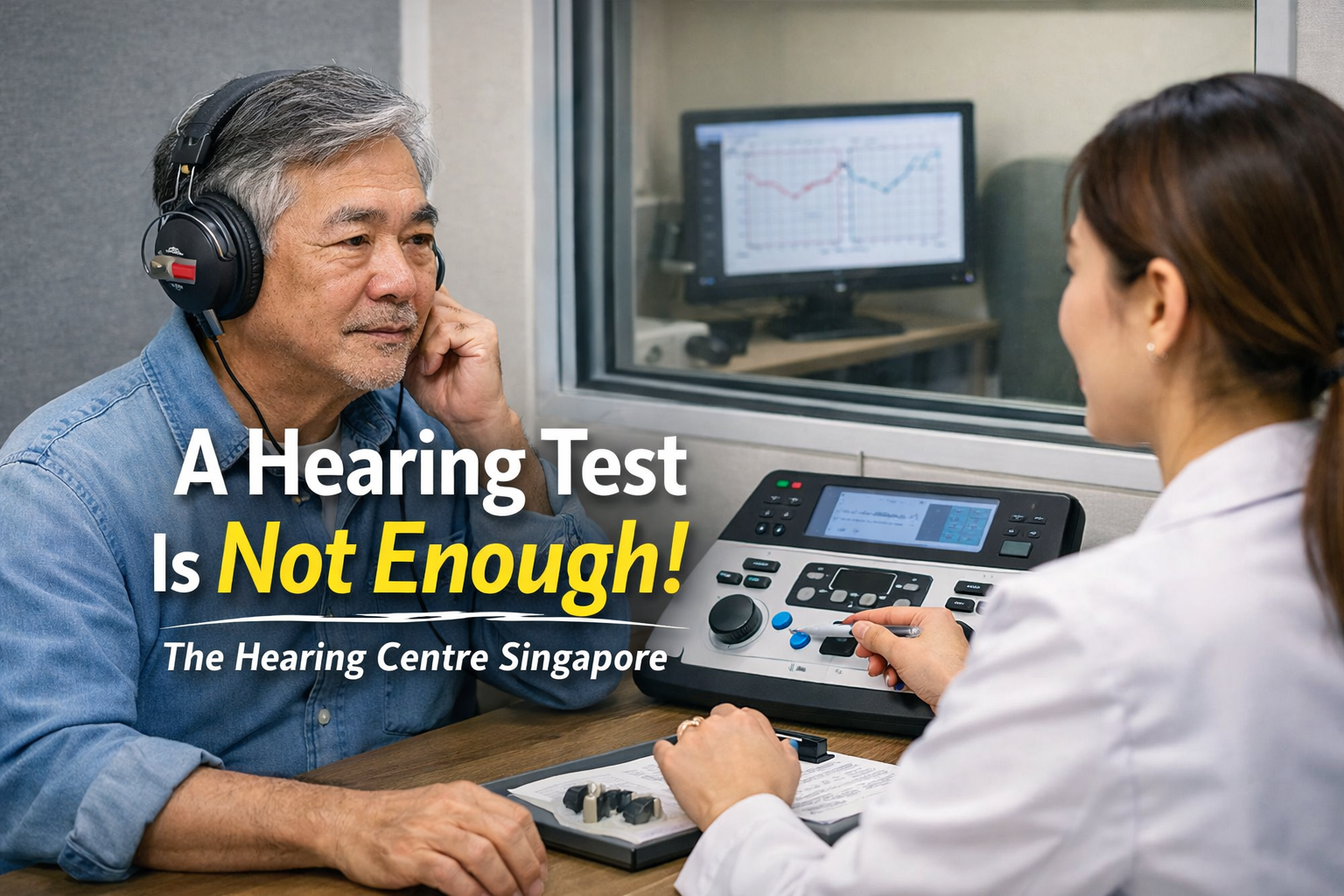
Professional evaluation identifies issues promptly. Pure tone audiometry testing and other diagnostics ensure accurate monitoring and timely intervention.
Early detection allows:
When hearing issues are identified early, individuals often adjust more easily to recommended solutions and maintain a higher quality of life.
Audiologists use comprehensive tests including tympanometry and ABR/ASSR, to evaluate sensitivity, speech understanding, and ear function precisely.
An audiologist uses a range of clinically validated tests to assess:
This comprehensive approach ensures that hearing concerns are properly understood, rather than guessed or assumed.
Not all hearing problems are the same. Hearing loss can be caused by different factors, and management depends on accurate diagnosis.
An audiologist helps determine:
Understanding the cause of hearing problems is essential for choosing the right treatment or management strategy.
With so much information available online, it is easy to encounter misleading or incorrect advice about hearing health. Some people attempt self-diagnosis or rely on unverified products that promise quick fixes.
Seeing an audiologist provides access to:
This guidance helps individuals make informed decisions and avoid solutions that may be ineffective or unsafe.
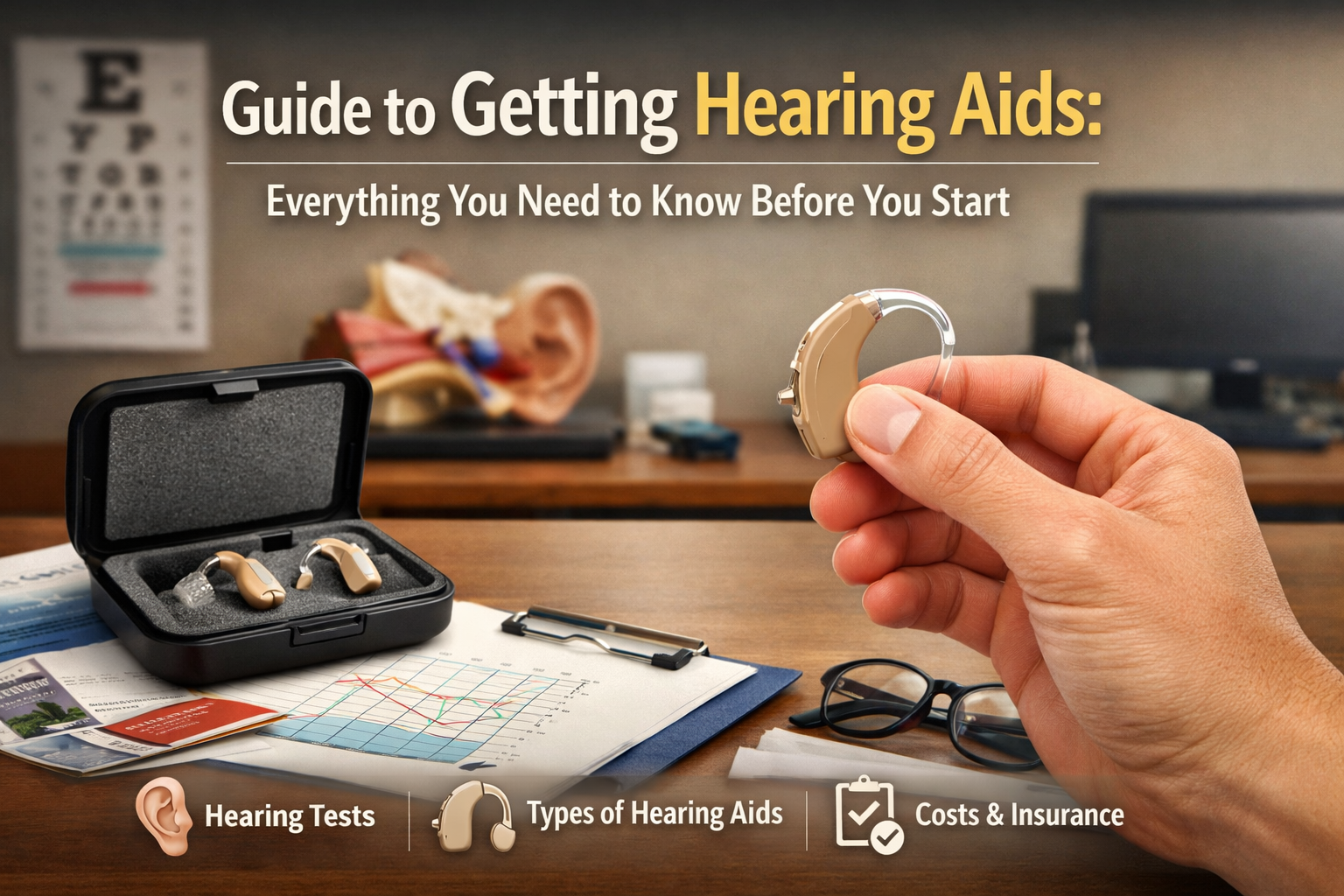
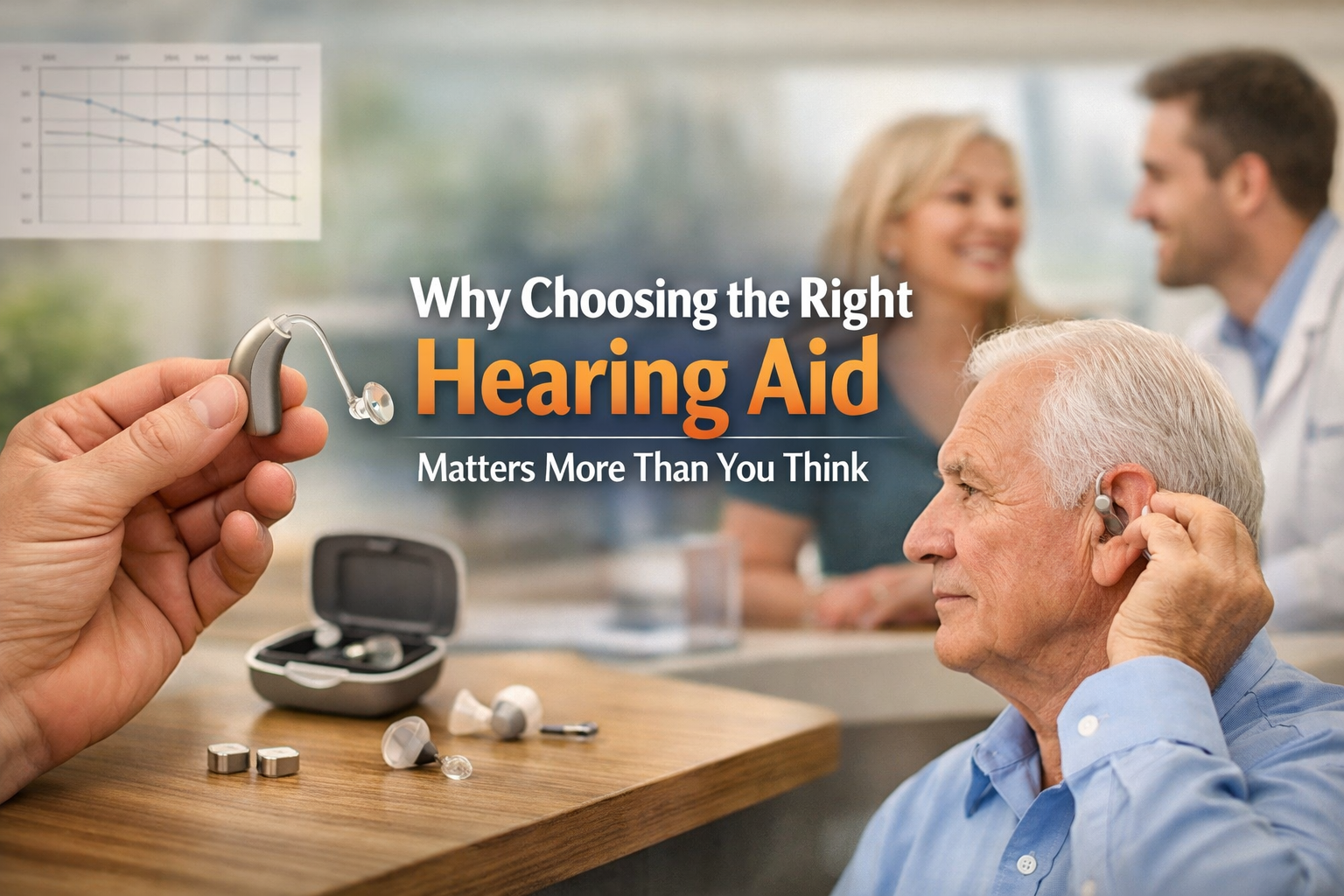
One of the most common reasons people see an audiologist is to explore hearing aid options. Hearing aids are highly personalised devices, and choosing the right one requires professional expertise.
An audiologist ensures:
Without professional involvement, hearing aids may be uncomfortable, ineffective, or underutilised.
Even the most advanced hearing aid will not perform well without proper fitting and adjustment. Audiologists fine-tune hearing aids based on clinical measurements and user feedback.
This process helps:
Follow-up appointments allow ongoing optimisation as the brain adapts to amplified sound.
Audiologists manage a wide range of hearing-related concerns beyond hearing aids.
They provide support for:
Seeing an audiologist ensures comprehensive care for all aspects of auditory health.
Tinnitus, often described as ringing or buzzing in the ears, can be distressing and disruptive. While it may not always be curable, it can often be managed effectively.
Audiologists help by:
Professional support helps reduce the emotional and functional impact of tinnitus.
Hearing plays a critical role in speech, language, and learning. Even mild hearing issues in children can affect academic performance and social development.
Audiologists assess children’s hearing using age-appropriate methods and support families by:
Early intervention supports better long-term outcomes for children.
Hearing care is not only about treating problems. It is also about prevention. Audiologists provide education and strategies to protect hearing from further damage.
Preventive care includes:
Seeing an audiologist supports lifelong hearing protection.
Hearing problems can affect confidence, relationships, and emotional wellbeing. Audiologists understand the emotional impact of hearing loss and provide compassionate, patient-centred care.
Professional hearing care can lead to:
These benefits often extend beyond hearing improvement alone.
Research has shown links between untreated hearing loss and increased risk of social isolation, cognitive strain, and reduced mental wellbeing. While hearing care is not a cure-all, early and appropriate management supports overall health.
Seeing an audiologist helps address hearing concerns before they lead to broader challenges.
You should consider seeing an audiologist if you experience:
You do not need to wait until hearing problems become severe. Early consultation is always beneficial.
Appointments include history review, diagnostic testing, clear explanations, and personalised recommendations—safe and non-invasive.
It typically includes:
Patients leave with a better understanding of their hearing health and available options.
Hearing health changes over time. Audiologists provide ongoing support through regular reviews and adjustments.
Long-term care includes:
This ongoing relationship ensures hearing care remains effective and relevant.
Seeing an audiologist is an essential step in protecting and improving hearing health. Audiologists provide expert assessment, accurate diagnosis, personalised solutions, and long-term support that cannot be replaced by self-testing or generic products.
Whether you are experiencing early hearing concerns, managing hearing loss, supporting a child’s development, or protecting your hearing for the future, an audiologist plays a vital role. Professional hearing care empowers individuals to communicate confidently, stay connected, and enjoy a better quality of life.
An audiologist assesses, diagnoses, and manages hearing and auditory-related conditions using clinical expertise and evidence-based methods.
In most cases, no referral is required. You can directly book an appointment with an audiologist.
No. Hearing tests are safe, non-invasive, and comfortable.
Yes. Audiologists assess tinnitus and provide management strategies to reduce its impact.
Adults are generally advised to have hearing checks every one to two years, or sooner if symptoms appear.
No. Audiologists support people of all ages, including children and young adults.
Yes. Many audiologists assess and manage balance and dizziness related to inner ear conditions.
No. Audiologists recommend hearing aids only when clinically appropriate and beneficial.
Untreated hearing loss can affect communication, emotional wellbeing, and quality of life.
The first step is to book a comprehensive hearing assessment to understand your hearing health.