Did you ever have the experience of having to raise your voice just to hear your friend in a crowded cafe, or have you ever had to play the TV at a volume that all the other people do not need? In case dialogues become muted or some noises simply disappear, then you may be experiencing sensorineural hearing loss.
It is the most widespread form of hearing difficulty that adults experience, yet the fact is that with proper action, most of them can lead a complete and healthy life in spite of it. This manual does not decipher it using any complicated medical lingo. We will discuss its explanation, its cause, its day-to-day experience and effective suggestions.
What Exactly is Sensorineural Hearing Loss?
To put it simply, Sensorineural Hearing Loss (SNHL) is a “nerve-based” hearing issue. Here is the breakdown of what is actually happening:
- The “Wiring” Issue: It occurs when the tiny hair cells in your inner ear (cochlea) or the auditory nerve itself are damaged.
- Permanent Change: Unlike a temporary blockage like earwax, this type of loss is usually permanent because those delicate inner ear cells do not grow back.
- Clarity vs. Volume: It’s often not about how loud the world is, but how clear it sounds. You might hear someone talking but feel like they are mumbling or speaking underwater.
- The “Consonant” Gap: It typically affects high-pitched sounds first. This means you might miss the sharp sounds like “s,” “f,” or “th,” making it hard to distinguish words.
Common Causes: Why Does It Happen?
No single villain causes sensorineural hearing loss—it can come from everyday life, health issues, or even things you’re born with. Let’s look at the big ones, explained simply.
Aging: The Sneaky Culprit
When we grow old, these tiny hair cells become exhausted. This age alteration is referred to as presbycusis and begins at age 50 or 60 among many people. At the age of 65, one out of three individuals becomes aware of it.
Noise, loud: Rock Concerts and Power Tools.
Have you ever left a loud concert with ringing ears? Sounds above 85 dBA—like concerts, headphones, or machines—can damage hearing over time. In severe cases, this may lead to the need for hearing aids.
Employees of high noise level are at a high risk. Use earplugs or ear muffs- use a muff on your ears like sunscreen.
Genetics and Birth Factors
Some people inherit it. Hair cells can become weak due to gene changes, or there may be a role of pregnancy problems, such as an infection or low oxygen concentration at birth. Children born with it may not attain milestones, such as turning towards sounds at six months.
Illnesses and Health Conditions
Viruses such as mumps or meningitis can infect the inner ear. Diabetes disrupts blood flow to the cochlea, depriving those cells. Issues with the heart or high blood pressure have the same effect. Even autoimmune issues, where your body fights its own immune system, contribute.
Ménière’s disease brings dizzy spells, ringing, and fullness in the ear alongside loss. Tumours like vestibular schwannoma grow slowly on the nerve, pressing it quietly
Medications and Injuries
Certain drugs—antibiotics like gentamicin, chemo meds, or water pills—harm hair cells as a side effect. Head bumps from falls or accidents can snap the nerve. Sudden pressure changes, like scuba diving deep, cause barotrauma.
Types of Sensorineural Hearing Loss
It doesn’t all hit the same way. Here’s the breakdown:
- Gradual: Builds over months or years—most common from age or noise.
- Sudden: Drops in hours or days. Treat as an emergency! It might stem from viruses, trauma, or blood clots. Quick steroids can save hearing in half the cases.
- Congenital: From birth, often genetic.
- Mixed: Paired with outer/middle ear blocks.
Rush to a doc or The Hearing Centre for sudden drops.
Spotting the Signs: Symptoms to Watch For
It starts small. You might think it’s just getting older, but here’s what to notice:
- Muffled Speech: People sound like they’re talking through cotton, especially in noise.
- Trouble with High Pitches: Miss “s” or “th” sounds, birds, phones ringing.
- Ringing or Buzzing (Tinnitus): Constant hum, often tags along.
- Turning Up Volume: TV or phone blasts loudly for others.
- Asking “What?” a Lot: Strain to follow chats, fake smiles, nodding.
- Fatigue from Listening: The brain works overtime, exhausting you.
- Balance Wobbles: The inner ear helps balance, too.
Kids show it differently: poor grades, not responding to names, and watching TV too loudly. If you nod along in talks but miss punchlines, test your hearing.
How It’s Diagnosed: Simple Steps to Know for Sure
Doctors don’t guess. First, they chat about your history—noises, meds, family stuff. Then:
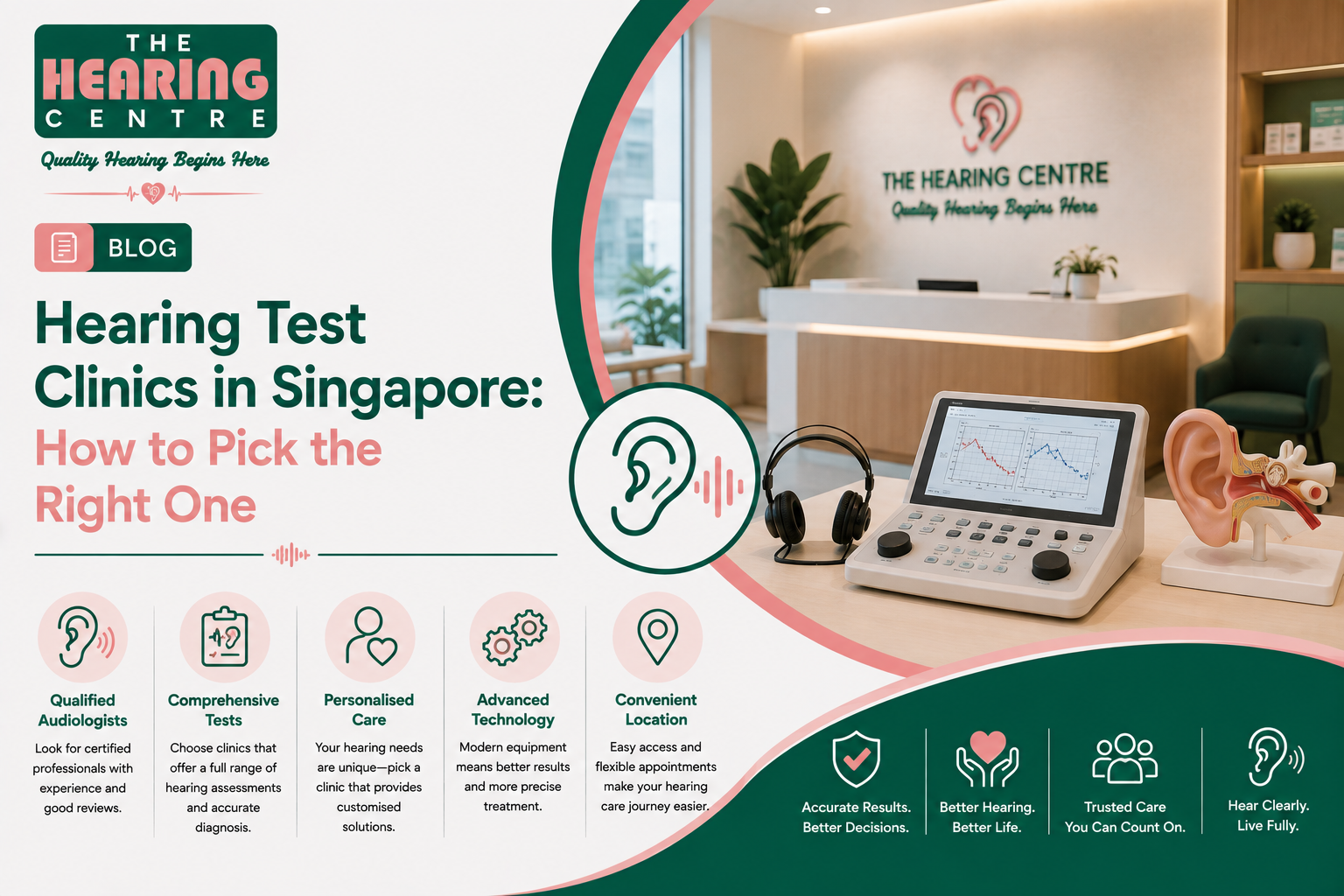
- Hearing Test (Audiogram): In a quiet room, wear headphones. Soft beeps at pitches/volumes—you raise a hand or click when you hear. Pure-tone and speech tests show what’s up.
- Ear Check: Otoscope peeks inside—no wax or infection?
- Other Tests: Tympanometry checks eardrum moves; OAE tests hair cells vibrate. For sudden loss, MRI scans for tumours.
- Balance Tests: If dizzy.
Audiologists run these—experts in hearing. Early catch helps.
Treatment Options: What Can You Do About It?
Bad news: Damaged hair cells don’t regrow. Good news: Tools make life normal.
Hearing Aids: Your Everyday Hero
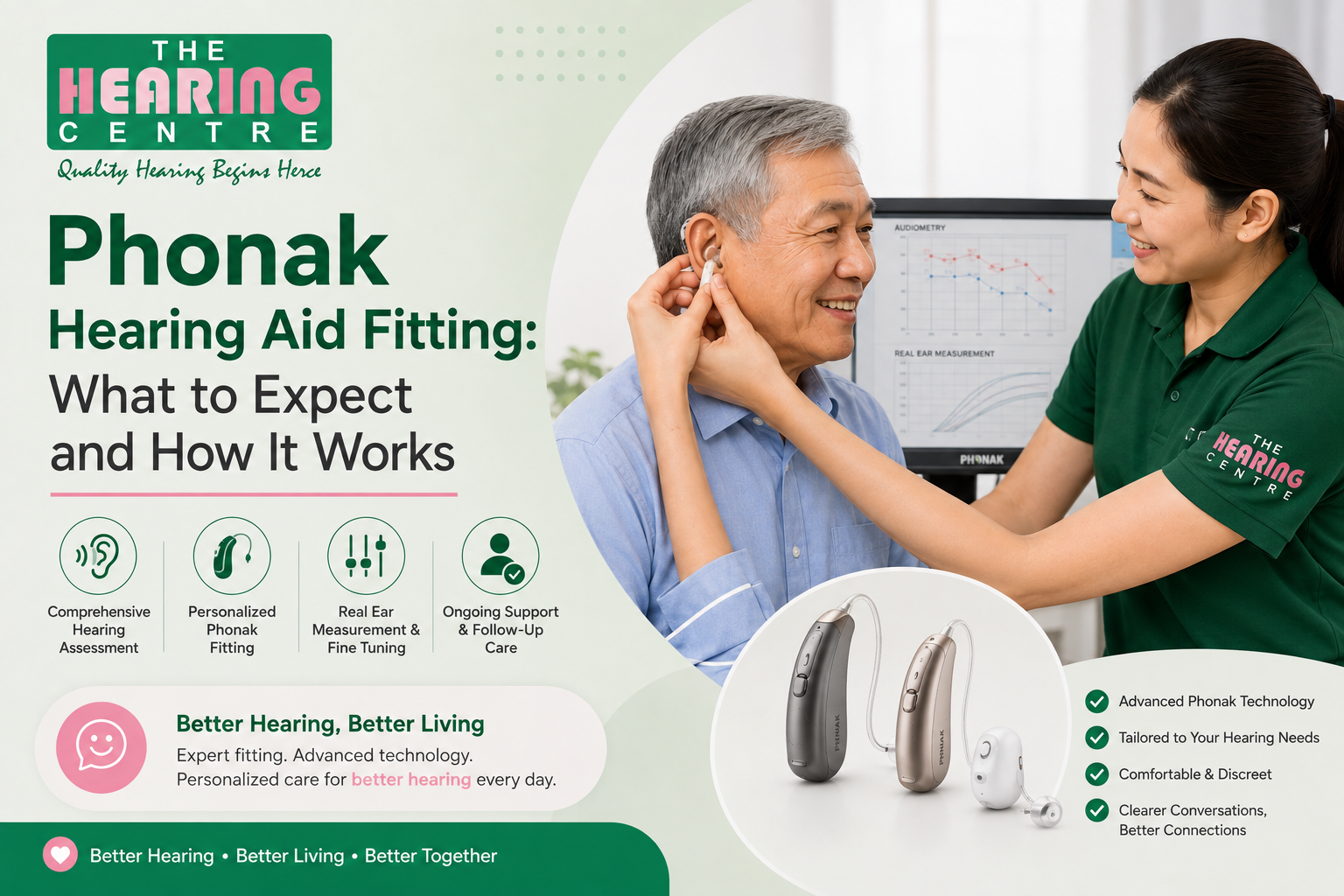
Tiny devices fit in or behind the ears. They amplify soft sounds, clarify speech, and cut noise. Modern ones are wireless-connected to phones and TVs. 95% of cases benefit. Takes fitting, tweaks for comfort.
At The Hearing Centre, try Signia hearing aids, Phonak hearing aids, or Starkey hearing aids—top picks for clear sound.
Cochlear Implants: For Severe Cases
A surgical implant device that gets around hair cell failure; an electrode within the cochlear implant, and a processor outside the cochlear implant. The brain learns a different way of processing received signals. Most successful with profound hearing loss (infants have an easier time with technology earlier; adults have a better chance of using phone calls and enjoying music again).
Hearing Loss:
Sudden Hearing Loss – Steroids (Oral & Intratympanic) Can Decrease Swelling, Best Results Seen Due to Early Inquiry (Within 2 Weeks of Injury). Hyperbaric Oxygen May Also Aid In Recovery By Providing Healing Air As It Was Pressurized.
Other Helps
- Lip-reading classes.
- Apps filter noise.
- Protect remaining hearing.
No cure, but management rocks.
Living Day-to-Day: Tips to Thrive
Don’t let it sideline you. Simple changes:
- Face People When Talking: Lip cues help.
- Cut Background Noise: Turn off the TV during chats.
- Phone Tricks: Speaker, captions, vibrate alerts.
- Alert Family: Speak clearly, slowly, no shouting.
- Safe Habits: Earplugs for concerts, lower volumes.
- Stay Social: Join clubs, use group chat apps.
- Brain Games: Puzzles, music keep the mind sharp.
Exercise and healthy eating support ear health. Quit smoking—boosts blood flow.
One friend got aids, joined a choir—sings better, happier!
Prevention: Keep Your Hearing Sharp
Can’t stop aging, but slow damage:
- Volume Cap: 60% max on devices, 15-min rule for loud spots.
- Ear Protection: Plugs for hunting, mowing, and concerts.
- Health Checks: Manage diabetes and pressure.
- Regular Tests: Yearly after 50.
- Safe Listening: OSHA limits work noise.
Kids: Toy volumes safe, model quiet habits.
Emotional Side: It’s More Than Sound
Frustration builds—missed jokes, isolation. Depression risk up 2x. Talk therapy and support groups help. Families learn patience.
Hearing loss links dementia more slowly with aids—brain stays active!
Conclusion
Sensorineural hearing loss changes how you hear the world, but it doesn’t end your story. From aging gracefully to dodging loud blasts, knowing causes empowers you. Spot signs early, grab aids like Phonak, and live loud—in a good way. Talk to pros, protect ears, stay connected. Clear hearing or smart tools, joy awaits.
Frequently Asked Questions
Imagine that your ear is a hi-tech microphone. SNHL occurs when the wiring or the microscopic sensors (inside the inner ear, the cochlea) or the nerve conduits to the brain become damaged. SNHL is an irreversible alteration in sound processing in your ear, unlike a physical obstruction, such as wax, which is known as a conductive loss.
In the majority of situations, SNHL is irreversible since the small hair cells in the cochlea do not regenerate after being damaged. But when you suddenly get deafness (within a few hours or days), it is an emergency in medicine. When you speak to a doctor at once and are given some steroids, there is a far better chance of regaining some or all of your hearing.
It often comes from getting older (presbycusis), years of loud noise like music or machines, genes from family, or viruses. Some meds that hurt the inner ear can trigger it too.
Sounds get fuzzy, not silent. People seem to mumble, high sounds like birds vanish, and you hear constant ringing or buzzing in your ears.
Damage hits sharp sounds first—like s, f, th. You catch loud parts but miss clarity, like talking through a thick wall.
Yes, and it’s more common than people think. Think of the hair cells in your ear like blades of grass. If you walk over them once, they spring back. But if you blast loud music or work in a noisy environment without protection, you are essentially “mowing” those cells down. Once they are flattened and die, they can no longer send sound signals to your brain.
The process is quick and painless. An audiologist will have you sit in a soundproof booth and wear a pair of headphones. They will play a series of beeps at different pitches and volumes, and you’ll press a button when you hear them. This creates an audiogram, a visual map that shows exactly where your hearing is strong and where it needs help.
The current hearing aids are a much better proposition than the old-fashioned, clunky, whistling ones. They are literally small, high-tech computers, which can be programmed to enhance only the individual frequencies that you lack. Although they do not cure the loss, they help a great deal to make the conversations easier to follow, to keep you in touch with your surroundings.
Other than technology, minor habits cause a big change. Attempt to be in direct eye contact with people when they are speaking so that your brain may use visual clues. In case you are in a restaurant, then have your back to the wall because background noise is reduced to a minimum. Above all, do not be afraid to inform people: I have a slight hearing difficulty; will you please turn to me when you speak to me?
There is a strong link between untreated hearing loss and mental fatigue. When your brain has to work overtime just to “decode” muffled sounds, it gets exhausted, which can lead to social withdrawal or even cognitive decline. Addressing the loss early keeps your brain socially active and sharp by reducing that constant listening strain.