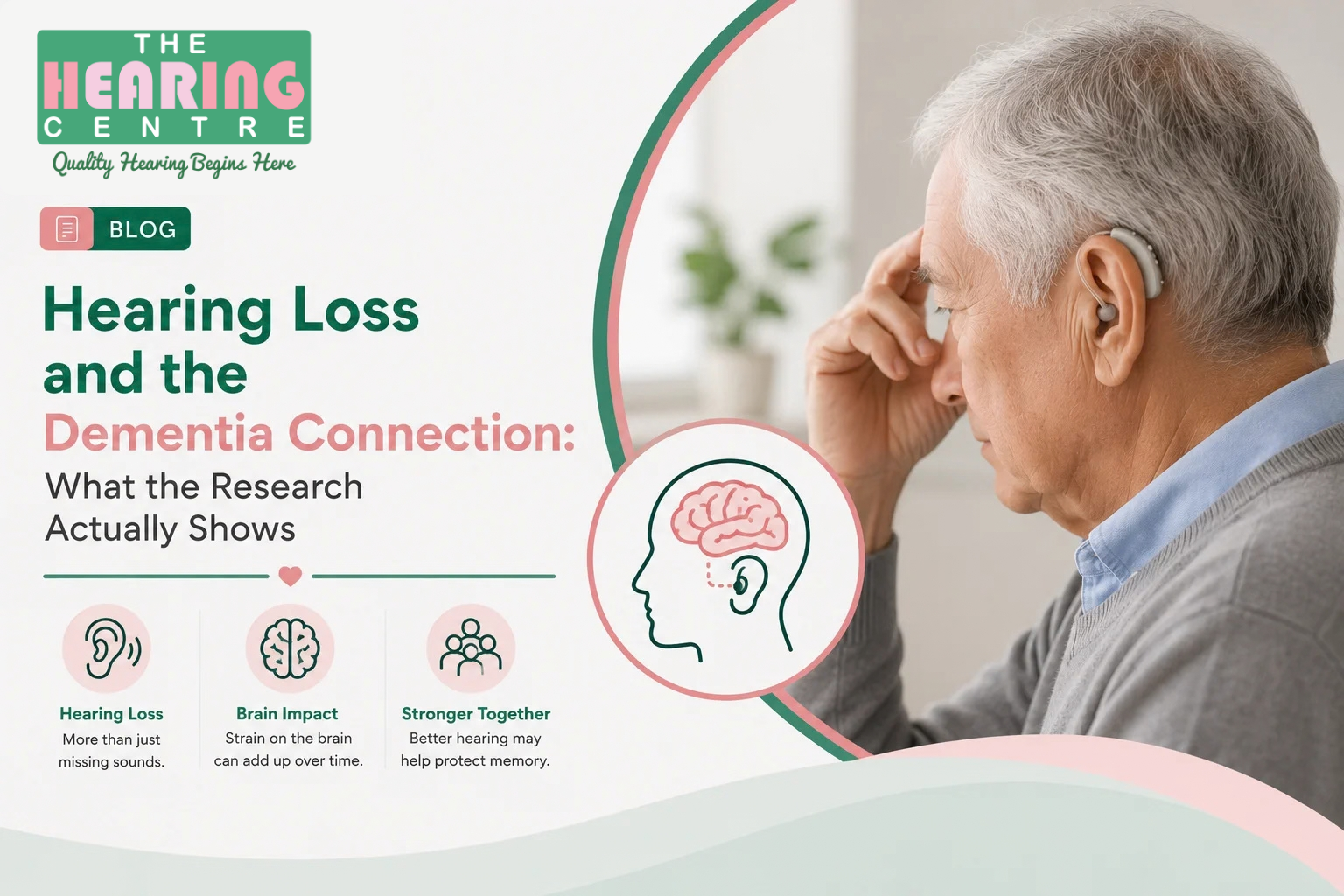
TLDR: The connection between Hearing loss and the dementia connection, is supported by substantial evidence ,not just speculation. Multiple studies, including local Singapore research, back this up. The Lancet Commission called hearing loss the single biggest modifiable risk factor for dementia in midlife. At Johns Hopkins, his team found that people with hearing loss were two to five times more likely to develop dementia, depending on how bad the hearing loss. Nobody’s saying hearing loss causes dementia directly. What seems to happen is your brain starts working overtime just to process sound, it gets less overall stimulation, and you slowly pull back from social situations because they’re exhausting. All three chip away at cognitive health over the years. The good news, if there is one: hearing loss is a risk factor you can actually do something about, and that usually starts with getting a proper hearing test.
Most people just don’t put these two things together. Someone notices their dad’s got the TV volume up a few notches higher than last year and shrugs it off — that’s just what happens when you get older, right? A bit deaf, a bit forgetful, comes with the territory. Except that’s not quite what the research says anymore. Hearing loss and dementia aren’t two separate things that happen to both show up in old age. They seem to feed into each other, and understanding that is worth your time, especially here in Singapore where dementia rates are climbing fast.
The Singapore Numbers Worth Knowing about Hearing Loss and the Dementia Connection
- More than 60% of Singaporeans above 60 have some degree of hearing loss
- Around 1 in 10 Singaporeans aged 60+ already has dementia
- Singapore expects roughly 250,000 people living with dementia by 2050
- Despite this, hearing-aid adoption remains low, leaving many people with untreated hearing loss.
That gap represents a significant opportunity to improve quality of life and potentially reduce the impact of cognitive decline through earlier hearing intervention.
What Hearing Loss Actually Is
Hearing loss is what happens when the ear, or the whole auditory system, can’t process sound the way it used to. Sometimes it creeps up over years. Sometimes it’s sudden. It generally falls into three categories:
Type | Cause | Common In |
Sensorineural | Damage to the inner ear or auditory nerve | Age-related loss, long-term noise exposure |
Conductive | Something physically blocking sound in the outer or middle ear | Earwax buildup, infections, fluid |
Mixed | A combination of both | Cases with multiple contributing factors |
Sensorineural is the one that comes up most with age, and it’s usually what researchers mean when they talk about the dementia connection specifically.
What Dementia Actually Is
Dementia isn’t one disorder. Think of it more as an umbrella term for a decline in memory,attention, thinking, problem-solving, language, or judgement that’s bad enough to get in the way of daily life. Alzheimer’s makes up most cases. Then there’s vascular dementia, usually tied to reduced blood flow to the brain after a stroke, plus Lewy body dementia and frontotemporal dementia further down the list. It tends to develop slowly rather than all at once. And while getting older is the biggest risk factor by far, dementia itself isn’t something doctors consider a “normal” or guaranteed part of ageing.
What Does the Research Actually Say About Hearing Loss and the Dementia Connection?
The research linking hearing loss to dementia has piled up quite a bit over the past fifteen years or so — it’s not just one or two small studies anymore. A 2011 Johns Hopkins study followed more than 600 adults for twelve years and found hearing loss was a real predictor of dementia down the line. People with hearing loss in that study were two to five times more likely to develop dementia, and the risk climbed the worse the hearing got. Closer to home, a Singapore-based study out of NUS looked at adults 55 and older and landed on results that lined up with the Western data, which is part of why local hospitals now check for hearing loss when screening for dementia risk.
Study | Population | Key Finding |
Johns Hopkins (2011) | 600+ US adults, tracked 12 years | Hearing loss linked to 2–5x higher dementia risk, depending on severity |
NUS local study (2018) | Singaporeans aged 55+ | Results consistent with Western findings on the hearing–dementia link |
Lancet Commission (2020) | Global review | Hearing loss named the single largest modifiable midlife dementia risk factor |
NHATS (2023) | US adults 65+ | Moderate-to-severe hearing loss linked to 61% higher dementia prevalence |
The Lancet Commission’s 2020 report probably gets cited more than anything else in this space. It grouped nine modifiable risk factors that together explain something like 30 to 40% of dementia risk worldwide, and hearing loss came out on top of that list — ahead of smoking, ahead of physical inactivity. That’s not a small claim.
Why Would Hearing Loss Even Affect the Brain?
Nobody’s claiming a direct cause-and-effect here. There’s no single proven mechanism, and researchers will tell you that themselves. But three theories keep coming up in the literature, and once you hear them laid out, they’re not hard to believe.
Your brain gets stuck working overtime. When hearing gets harder, your brain strains to fill in the blanks and make sense of what’s being said. That effort pulls mental energy away from memory and reasoning. Do that for months, years, and the constant low-grade strain seems to wear something down.
Less sound coming in means less brain activity, period. Sound lights up a surprisingly large part of the brain, not just the bits labelled “hearing.” Cut that input down and those regions get less exercise. Some brain scan studies have actually found faster shrinkage in memory- and language-related areas among people with untreated hearing loss.
And then there’s isolation. This one’s behavioural rather than biological. Conversations get tiring. Group settings get frustrating fast. So people quietly stop going. Social isolation is already a known dementia risk factor on its own — hearing loss just adds fuel to a fire that’s already there.
There’s a fourth theory floating around too: as hearing fades, the brain starts leaning harder on visual cues to compensate, and that shift might weaken the auditory pathways even further over time.
Does It Matter How Bad the Hearing Loss Is?
Yes — and the pattern is fairly straightforward based on what’s been measured so far.
Degree of Hearing Loss | Approximate Relative Dementia Risk |
Mild | About 2x compared to normal hearing |
Moderate | About 3x compared to normal hearing |
Severe | About 5x compared to normal hearing |
Even mild hearing loss — the kind most people just brush off as “people need to speak up a bit” — roughly doubles the risk. That’s usually the number that catches people off guard when we bring it up in a consultation.
Can Treating It Actually Bring the Risk Down?
Here’s the part that tends to give people some relief. Hearing loss is one of the few dementia risk factors you can genuinely do something about, unlike age or genetics, which nobody controls. A number of studies now point to slower cognitive decline in people who wear hearing aids compared to those who leave hearing loss untreated. Nobody’s calling it a cure, and researchers are careful not to oversell it, but the evidence points the same direction consistently enough that hospitals here are starting to fold hearing screening into general dementia risk checks for older adults.
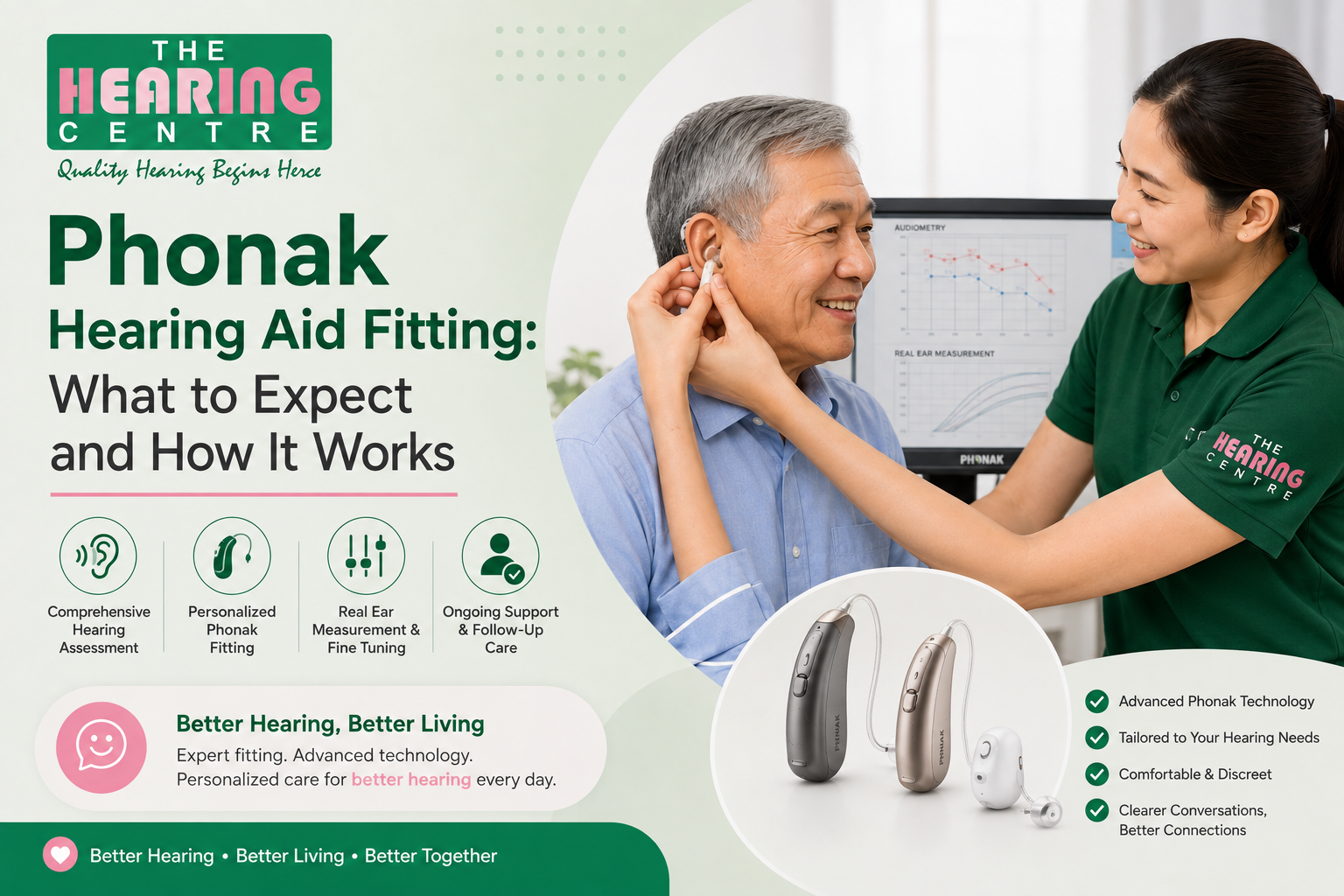
A hearing aid that’s actually fitted properly does a few things at once. It cuts the mental effort of straining to hear. It keeps the auditory parts of the brain doing something. And it makes it easier to stay socially involved instead of quietly checking out of gatherings. If cost or upkeep has been the thing holding you back, it’s worth looking at a realistic price range first — our breakdown of Signia hearing aid pricing is a good place to start, and it helps to know the basics too, like how hearing aid batteries work and a few habits that genuinely extend the life of your hearing aids, since a poorly maintained device won’t give you much benefit either. If you’re helping a parent through this decision, our guide on hearing aids for the elderly covers what actually matters when choosing one for a senior.
Devices also need adjusting as hearing shifts over time, so don’t skip hearing aid repairs and adjustments — a device that’s out of tune isn’t going to deliver the cognitive benefit researchers keep pointing to.
Why Catching It Early Matters More Than You’d Think
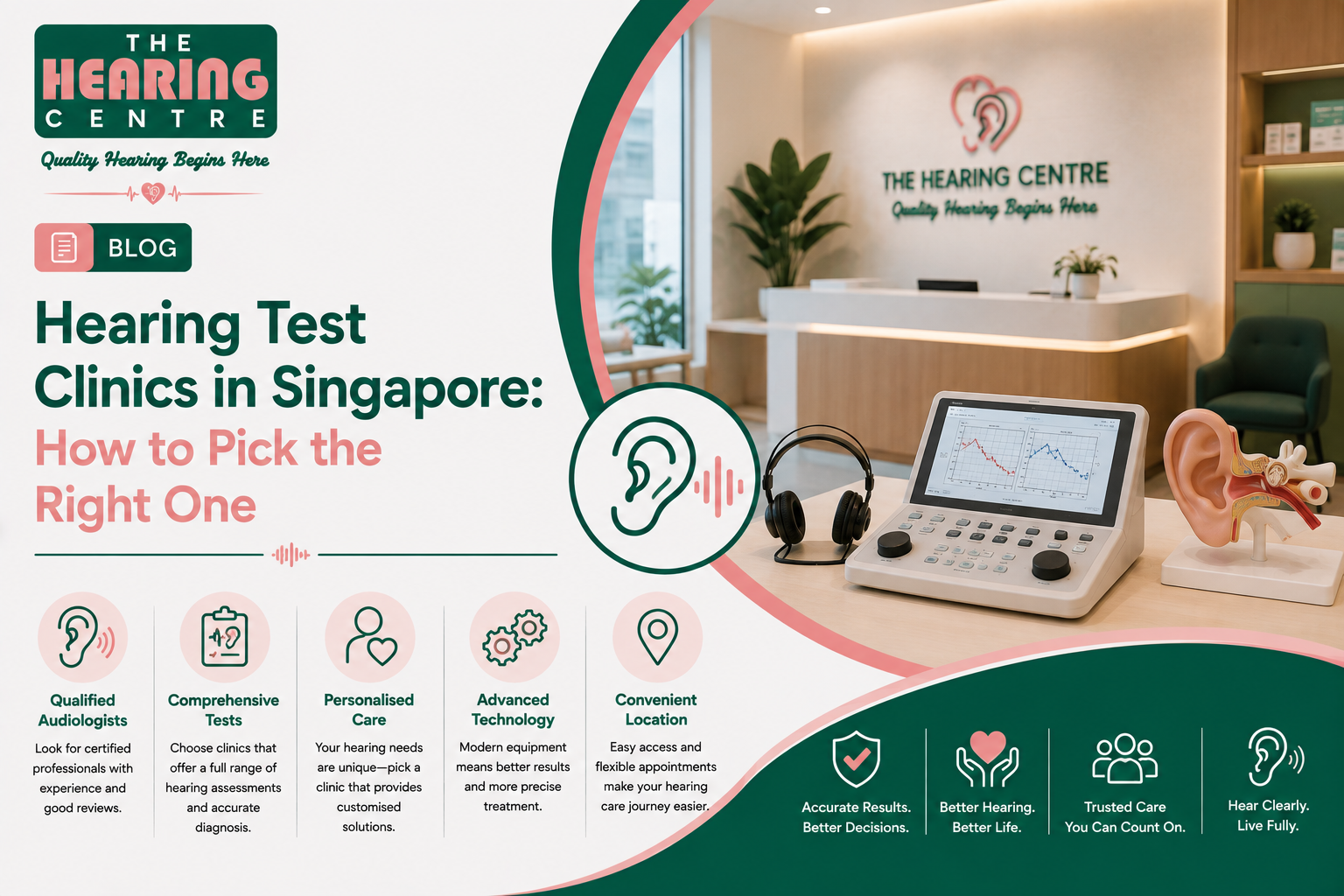
Brain changes linked to hearing loss seem to start well before anyone notices anything’s wrong, which is exactly why catching it early counts for so much. A standard hearing test — whether that’s pure tone audiometry or, for some cases, ABR/ASSR — can pick up hearing loss long before it’s messing with daily life. Audiologists generally recommend stepping up hearing checks around age 40, sooner if there’s a family history of hearing loss or you’re already struggling to follow conversations
A Few Habits That Help Both
Treating hearing loss isn’t the only thing worth doing here. A handful of everyday habits support hearing and brain health at the same time:
- Wear hearing protection around loud noise — concerts, machinery, traffic, all of it
- Stay socially active, even on days when conversation feels like more effort than it’s worth
- Keep up regular exercise, since blood flow to the brain matters for cognitive health too
- Eat reasonably well
- Keep conditions like diabetes and high blood pressure under control, since both speed up cognitive decline
None of this is dramatic. But together, it supports the same systems hearing care is trying to protect.
The Stigma Problem
A lot of people put off getting a hearing aid because they think it’ll make them look older, or somehow less capable. Fair worry, but it tends to work the opposite way in practice — untreated hearing loss causes far more visible decline over time than a small, modern device ever will. Today’s hearing aids are discreet, often barely noticeable, nothing like the bulky ones people remember their grandparents wearing. Getting people, especially those in their 50s and 60s who still feel “too young” for this, to treat hearing care as normal rather than embarrassing is genuinely one of the more useful things Singapore could do to bring dementia numbers down.
Where This Research Is Headed
Researchers are now looking at whether pairing hearing aids with cognitive training or broader lifestyle changes gives an even stronger protective effect than hearing care alone. It’s still early days on that front, but the direction is clear enough that hearing care is increasingly being treated as part of ageing well in general, not just a fix for missing bits of the TV.
Why Clients Come to The Hearing Centre for This
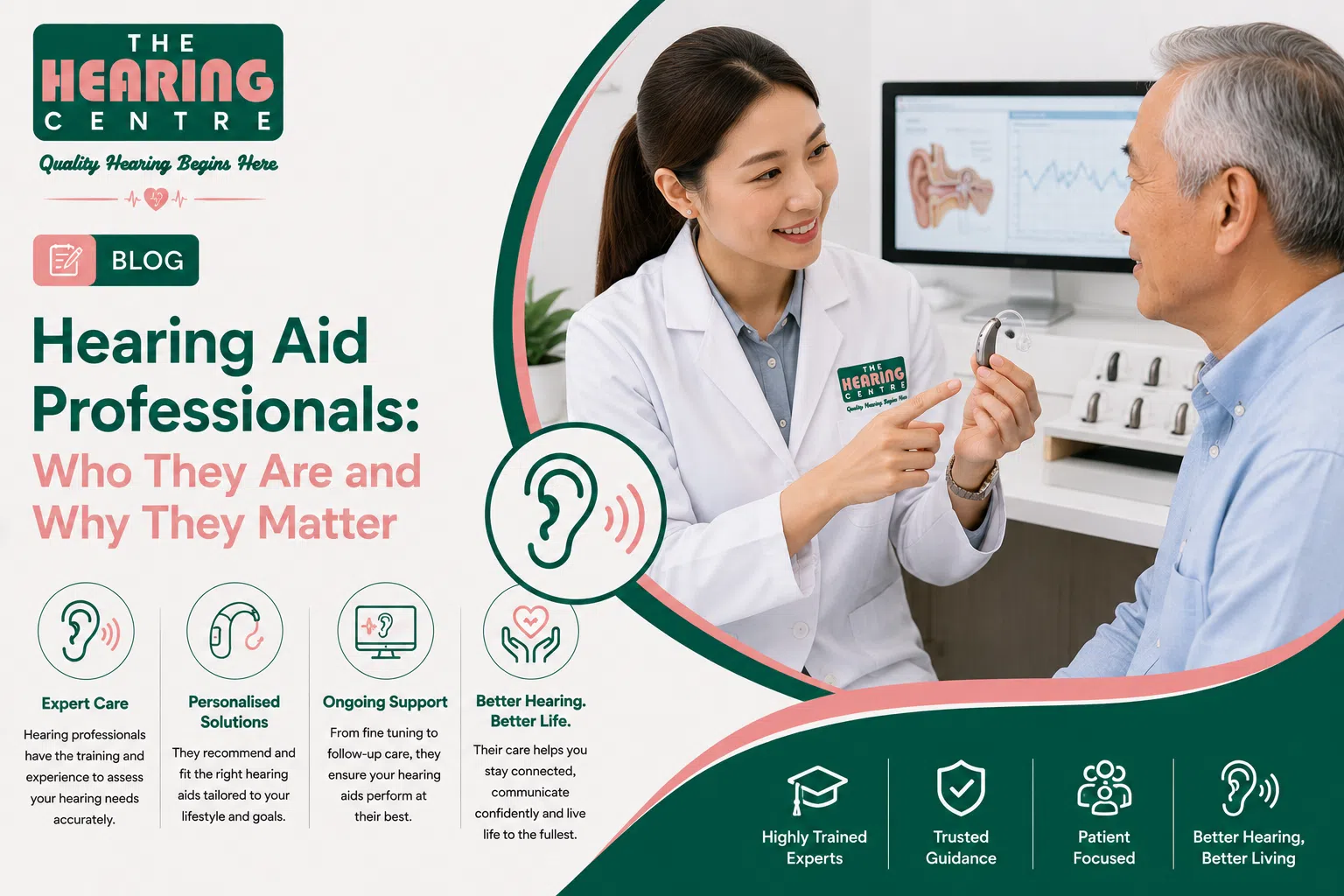
We treat hearing loss as something tied to the rest of your health, not some isolated annoyance you deal with separately. Every consultation involves an actual conversation about your lifestyle and concerns, not a five-minute test followed by a device pushed on you. If a hearing aid genuinely makes sense for you, or for a parent you’re looking after, we’ll walk you through real options and real pricing. And if what you actually need is better adjustments or maintenance rather than a new device, we’ll tell you that instead.
Take the First Step
Reading through the research on hearing loss and dementia is one thing. Knowing where your own hearing actually stands is another matter entirely. If you’re in Singapore and searching for Hearing aids Singapore, get in touch with us and we’ll set up a proper hearing assessment, tell you plainly where you stand, and talk through what actually makes sense for you.
Frequently Asked Questions
The link between hearing loss and dementia comes down to a meaningfully higher dementia risk, mostly because hearing loss makes the brain work harder to process sound, cuts down overall brain stimulation, and tends to push people toward social withdrawal — all of which affect cognitive health.
Not directly, no. There’s no proven cause-and-effect mechanism yet, but untreated hearing loss shows up again and again as strongly associated with a higher risk of developing dementia.
Roughly two times higher for mild hearing loss, climbing to around five times higher for severe hearing loss, compared with normal hearing — though this varies by study.
Yes. A number of studies point to a real association between hearing loss and a higher chance of developing Alzheimer’s, though exactly why is still being worked out.
The evidence so far suggests they might slow cognitive decline, mainly by easing listening effort, keeping the brain stimulated, and helping people stay socially engaged — though they’re not a guaranteed prevention method.
Most audiologists say start around 40, earlier if you’re already noticing symptoms or there’s a family history of hearing loss or dementia.
Yes, and this one tends to surprise people — even mild, easy-to-ignore hearing loss has been linked to measurable brain changes and roughly double the dementia risk.
Straining to follow conversations gets mentally exhausting fast, so people naturally start avoiding social situations altogether, which then chips away at mental and emotional engagement over time.
Not always — but treating it appears to slow further decline and support better day-to-day mental function, which still counts for a lot even if it’s not a full reversal.
Get regular hearing tests, treat hearing loss as soon as it shows up, stay socially active, protect your ears from loud noise, and keep an eye on conditions like diabetes and high blood pressure that also affect brain health.