Hearing loss affects people of all ages and can significantly impact communication, relationships, work performance, and overall quality of life. Fortunately, modern hearing aids are highly advanced medical devices designed to improve hearing clarity, comfort, and daily functioning. However, many people feel confused or overwhelmed when starting their hearing aid journey.
This comprehensive guide to getting hearing aids explains each step clearly, from recognising hearing loss symptoms to choosing the right hearing aid, understanding costs, fittings, and long-term care. Whether you are considering hearing aids for yourself or a loved one, this guide will help you make informed and confident decisions.
Hearing loss often develops gradually, making it easy to overlook early signs. Many people delay treatment for years, not realising how much hearing difficulty affects their daily life.
Common signs that hearing aids may be needed include:
If these symptoms persist, a professional hearing assessment at The Hearing Centre is recommended. Hearing aids are most effective when hearing loss is identified and managed early.
The first and most important step in getting hearing aids is a comprehensive hearing test conducted by a qualified audiologist. Hearing aids should never be purchased without an accurate diagnosis.
A professional hearing assessment typically includes:
The results help determine:
A proper diagnosis ensures safe, effective, and appropriate hearing aid recommendations.
Understanding your specific hearing loss helps you make better decisions about hearing aids.
This is the most common type and occurs due to damage to the inner ear or auditory nerve. Hearing aids are typically the primary treatment option.
This occurs when sound is blocked in the outer or middle ear. Some cases may require medical treatment or ear cleaning services before hearing aids are considered.
This is a combination of both conductive and sensorineural hearing loss and often requires a customised hearing solution.
Your audiologist will explain your hearing results clearly and discuss how hearing aids can help in your specific case.
Hearing aids are recommended when hearing loss affects communication, safety, or quality of life. They are suitable for:
Hearing aids are not a one-size-fits-all solution. Personal needs, lifestyle, and expectations must be carefully considered before selection.
Modern hearing aids come in various styles designed for different hearing needs, comfort levels, and cosmetic preferences.
Your audiologist will help you select the most appropriate style based on your hearing needs and comfort.
Hearing aids come in different technology levels, each offering varying levels of sound processing and features.
Technology level considerations include:
Higher technology levels generally offer better performance in complex listening environments but may come at a higher cost.
Modern hearing aids offer advanced features designed to improve comfort and usability.
Common features include:
Not all features are necessary for everyone. Your audiologist will recommend features that match your lifestyle and daily listening environments.
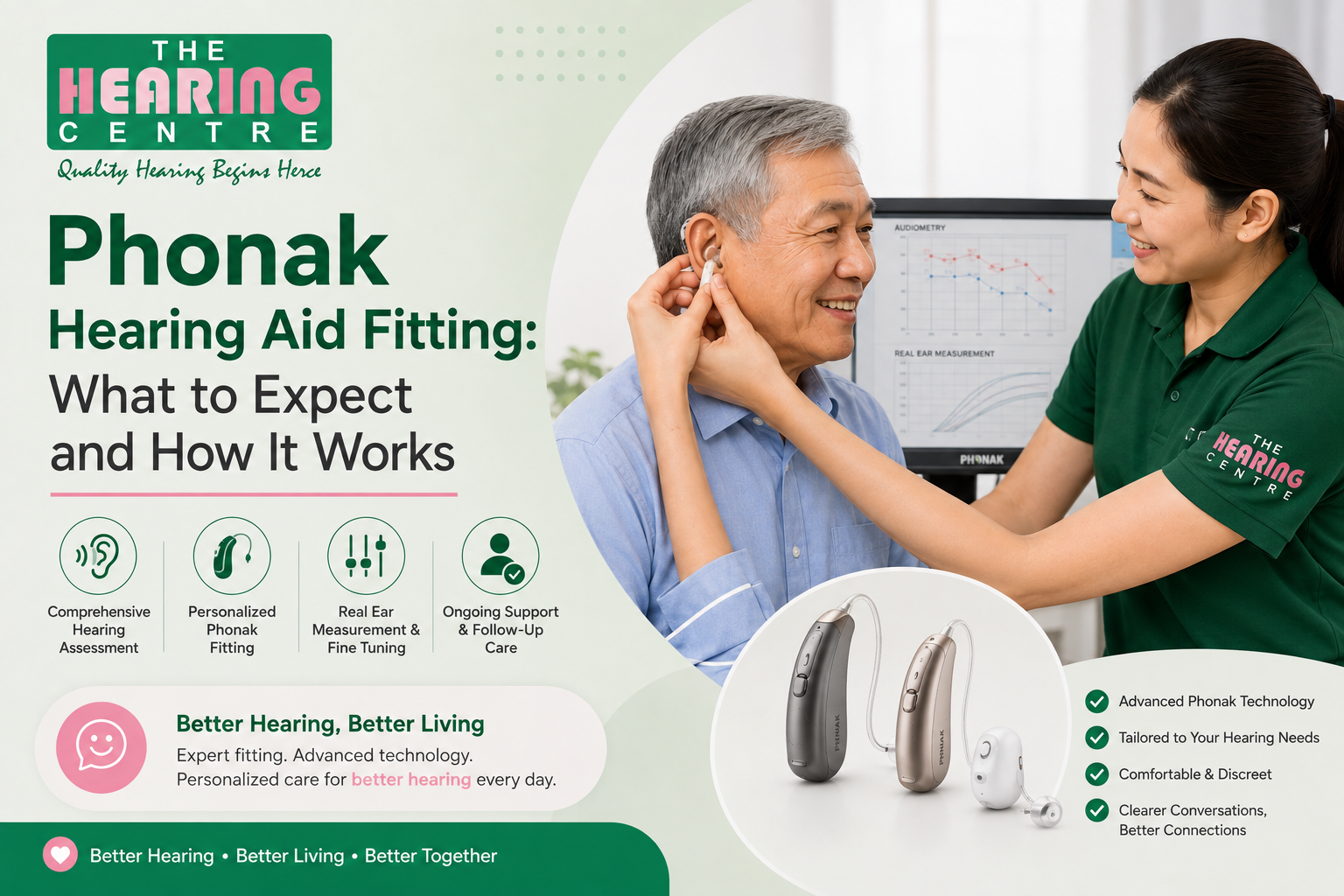
Once a hearing aid is selected, proper fitting and programming are critical for success.
The fitting process includes:
This step ensures the hearing aid delivers the right sound levels safely and comfortably.
Adjusting to hearing aids takes time. The brain needs to relearn how to process sounds it may not have heard clearly for years.
Common adjustment experiences include:
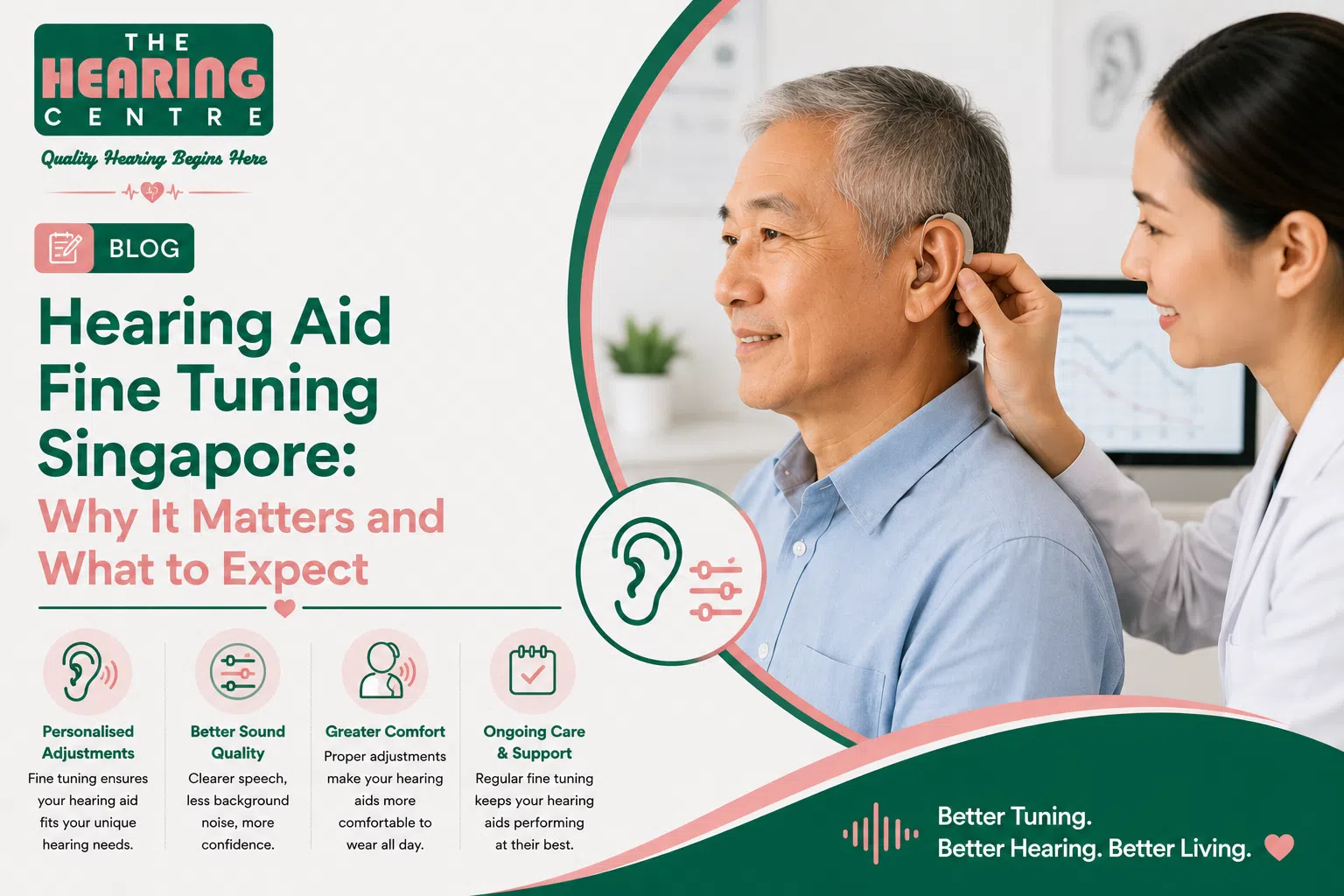
Audiologists provide follow-up support to fine-tune settings and guide users through the adjustment process.
Hearing aids require ongoing care and professional support.
Follow-up services typically include:
Regular follow-ups ensure hearing aids continue to perform optimally as hearing needs change.
The cost of hearing aids varies depending on:
While hearing aids are an investment, they offer long-term benefits such as improved communication, mental well-being, and social engagement. Choosing professional care ensures better outcomes than purchasing devices without guidance.
Proper care extends the lifespan of hearing aids and maintains sound quality.
Daily care tips include:
Good care protects your investment and ensures consistent performance.
Hearing aids typically last 5 to 7 years. You may consider upgrading if:
An audiologist can assess whether an upgrade is beneficial.
Early intervention offers many advantages:
Delaying hearing aids may make adjustment more difficult later.
Getting hearing aids is a step toward better communication, confidence, and quality of life. With professional guidance, personalised fittings, and ongoing support, hearing aids can significantly improve how you connect with the world. Understanding each step of the process helps you make informed decisions and achieve the best possible hearing outcomes.
An audiologist assesses, diagnoses, and manages hearing and auditory-related conditions using clinical expertise and evidence-based methods.
In most cases, no referral is required. You can directly book an appointment with an audiologist.
No. Hearing tests are safe, non-invasive, and comfortable.
Yes. Audiologists assess tinnitus and provide management strategies to reduce its impact.
Adults are generally advised to have hearing checks every one to two years, or sooner if symptoms appear.
No. Audiologists support people of all ages, including children and young adults.
Yes. Many audiologists assess and manage balance and dizziness related to inner ear conditions.
No. Audiologists recommend hearing aids only when clinically appropriate and beneficial.
Untreated hearing loss can affect communication, emotional wellbeing, and quality of life.
The first step is to book a comprehensive hearing assessment to understand your hearing health.