
Hearing plays a vital role in how we communicate, stay connected, and understand the world around us. Yet hearing loss often develops slowly, making it easy to ignore the early warning signs. Many people live with untreated hearing loss for years, believing it is a normal part of ageing or something they can manage on their own. Unfortunately, delaying treatment can affect communication, relationships, work performance, and emotional wellbeing.
Modern hearing aids are discreet, comfortable, and highly advanced. They are designed to improve clarity, reduce listening effort, and help people stay engaged in daily life. Recognising the signs that you may need hearing aids is the first step toward better hearing and a better quality of life.
This guide explains five common signs that may indicate hearing aids could help you. It also covers why these signs occur, how hearing aids support better hearing, and when to seek professional advice.
Understanding Hearing Loss Before the Signs Appear
Hearing loss from ageing, noise, or ear issues affects all ages. Audiologists in Singapore assess types like sensorineural or conductive via comprehensive hearing tests for optimal treatment.
Common types of hearing loss include:
- Sensorineural hearing loss caused by inner ear or nerve damage
- Conductive hearing loss caused by blockage or middle ear issues
- Mixed hearing loss involving both types
Hearing aids are most commonly recommended for sensorineural or mixed hearing loss. Early identification leads to easier adjustment and better long-term outcomes.
Sign One: You Often Ask People to Repeat Themselves
Frequent repetition requests signal high-frequency loss affecting speech clarity. Pure tone audiometry testing identifies this, and hearing aids enhance understanding.
- Conversations feel unclear or incomplete
- You hear sounds but miss words
- Speech sounds muffled or soft
- You misunderstand what people say, especially in group settings
This often happens because hearing loss affects the ability to hear certain speech sounds, particularly high-frequency sounds like “s”, “f”, “th”, and “k”. These sounds are important for speech clarity, and when they are missing, words can blend together.
Hearing aids help by:
- Amplifying speech sounds clearly
- Enhancing speech over background noise
- Improving overall understanding without straining
If you regularly rely on repetition, hearing aids may significantly improve your listening experience.
Sign Two: Difficulty Hearing in Noisy Environments
Struggling in restaurants or meetings indicates poor speech-in-noise processing. Professional hearing assessments recommend aids with directional microphones for better focus.
- Restaurants and cafés
- Family gatherings
- Social events
- Meetings at work
- Public transport or busy streets
Many people assume this difficulty is normal, but it often points to reduced ability to separate speech from background noise. Hearing loss affects how the brain processes sound, making it harder to focus on one voice among many.
Modern hearing aids are designed to:
- Reduce background noise
- Focus on the speech coming from in front of you
- Automatically adjust to different sound environments
- Improve listening comfort in challenging situations
If noisy places feel exhausting or frustrating, hearing aids can make social interactions more enjoyable again.
Sign Three: You Turn Up the Volume More Than Others
If family members or friends comment that the TV or radio is too loud, this may be a sign of hearing loss. You might notice:
- Increasing volume levels over time
- Difficulty hearing dialogue clearly
- Struggling to hear phone calls
- Needing subtitles even at higher volumes
Hearing loss often affects speech clarity more than loudness. Turning up the volume makes sounds louder but not necessarily clearer, which is why hearing aids are more effective than simply increasing volume.
Hearing aids work by:
- Amplifying specific frequencies based on your hearing needs
- Improving speech clarity without excessive loudness
- Reducing distortion and listening fatigue
If volume adjustments no longer solve the problem, a hearing assessment is recommended.
Sign Four: Conversations Leave You Feeling Tired or Stressed
Listening should not feel exhausting. If conversations leave you mentally drained, hearing loss may be the cause. Common experiences include:
- Feeling tired after meetings or social events
- Needing to concentrate intensely to follow conversations
- Avoiding phone calls or group discussions
- Feeling frustrated or anxious during communication
When hearing is reduced, the brain works harder to fill in missing sounds. This extra effort leads to listening fatigue, stress, and reduced focus.
Hearing aids help reduce listening effort by:
- Delivering clearer sound to the brain
- Supporting natural listening
- Improving comfort in daily conversations
- Allowing you to focus without constant strain
Many people report feeling more relaxed and confident once hearing aids reduce listening effort.
Sign Five: You Avoid Social Situations or Feel Disconnected
Hearing loss does not only affect hearing; it affects emotional and social wellbeing. You may notice:
- Avoiding gatherings or outings
- Feeling left out of conversations
- Withdrawing from social activities
- Feeling embarrassed or frustrated by misunderstandings
Over time, untreated hearing loss can lead to isolation, reduced confidence, and lower quality of life. Hearing aids help people reconnect with others and participate fully in daily activities.
Benefits of hearing aids include:
- Improved communication with family and friends
- Greater confidence in social situations
- Better engagement at work and home
- Support for emotional wellbeing
Addressing hearing loss early helps prevent social withdrawal and maintains independence.
Why Many People Delay Getting Hearing Aids
Concerns about appearance or cost deter action, but discreet modern aids and professional fitting at The Hearing Centre address these effectively.
- Belief that hearing loss is not serious
- Concerns about appearance
- Worries about cost
- Fear of change or adjustment
- Lack of awareness about modern hearing technology
Today’s hearing aids are discreet, comfortable, and tailored to individual needs. Delaying treatment often makes adjustment harder later, as the brain becomes less accustomed to sound.
How Hearing Aids Improve Daily Life
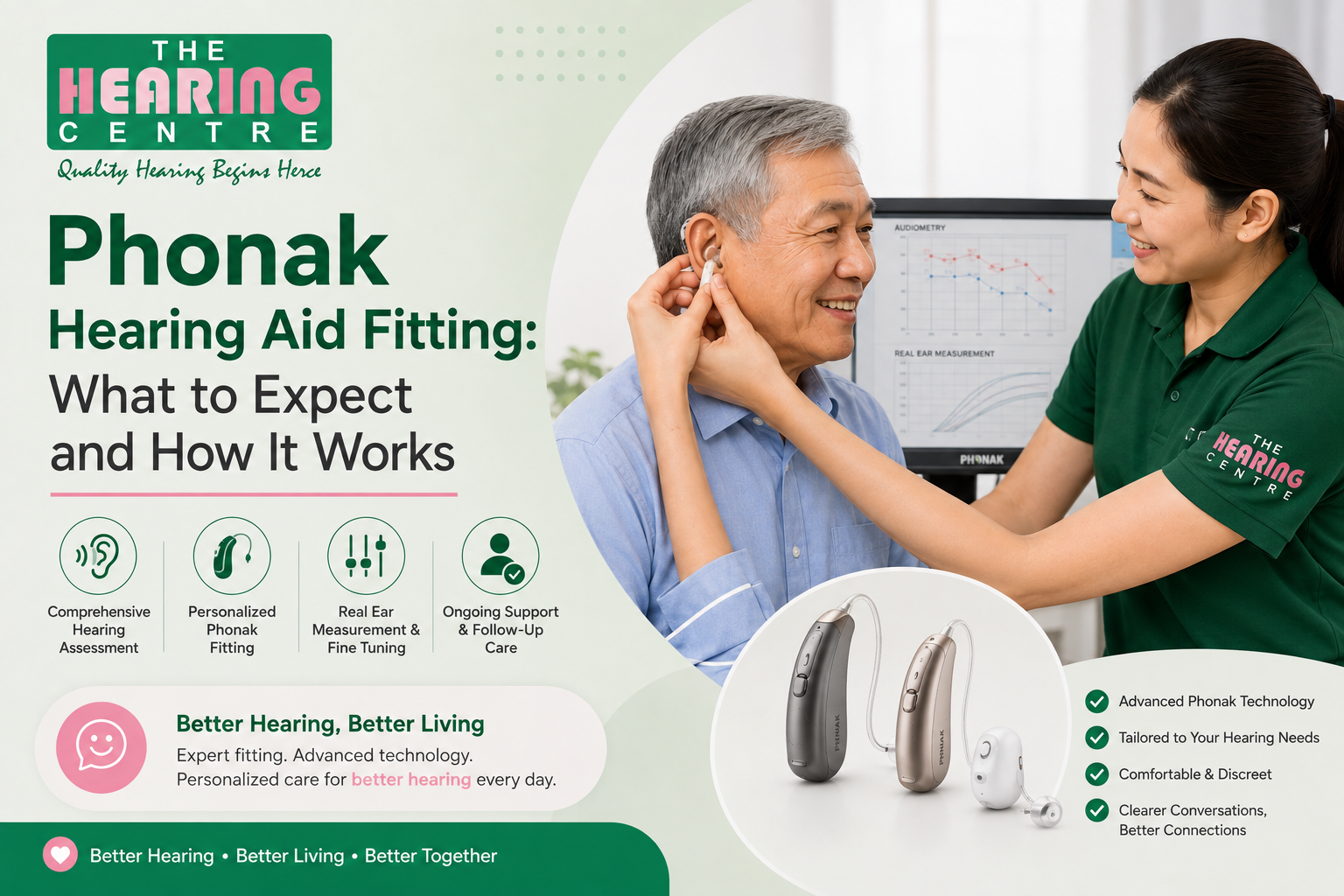
Hearing aids are medical devices designed to improve communication and quality of life. When properly fitted, they offer:
- Clearer speech understanding
- Better hearing in noise
- Reduced listening fatigue
- Improved awareness of surroundings
- Support for cognitive and emotional health
They do not restore normal hearing, but they significantly improve functional hearing and communication.
When to Seek Professional Help
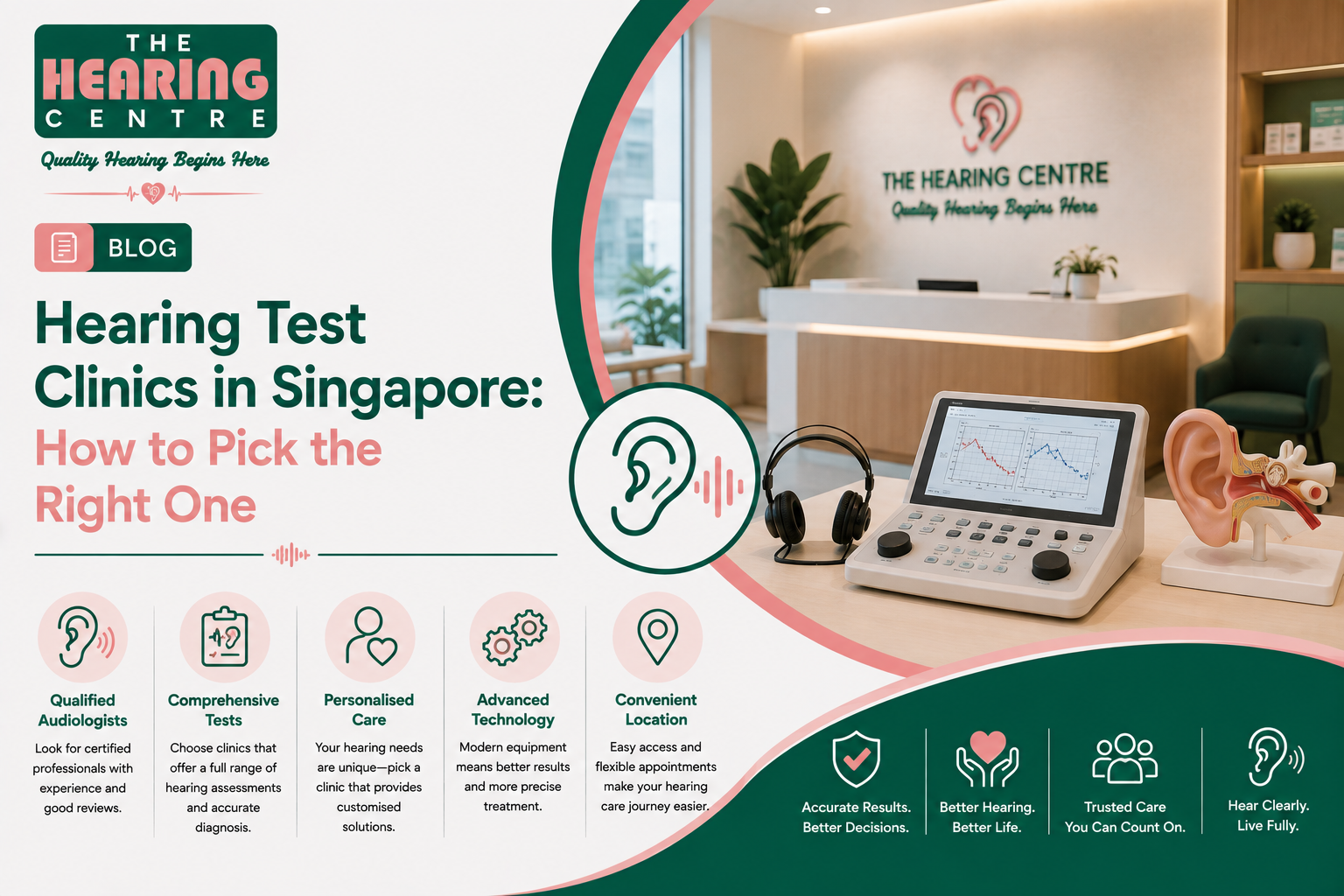
If you recognise one or more of these signs, a professional hearing assessment is recommended. An audiologist can:
- Assess your hearing accurately
- Explain your hearing results clearly
- Determine whether hearing aids are suitable
- Recommend appropriate hearing aid options
- Provide professional fitting and follow-up care
Early assessment leads to better outcomes and easier adjustment.
The Importance of Professional Hearing Aid Fitting
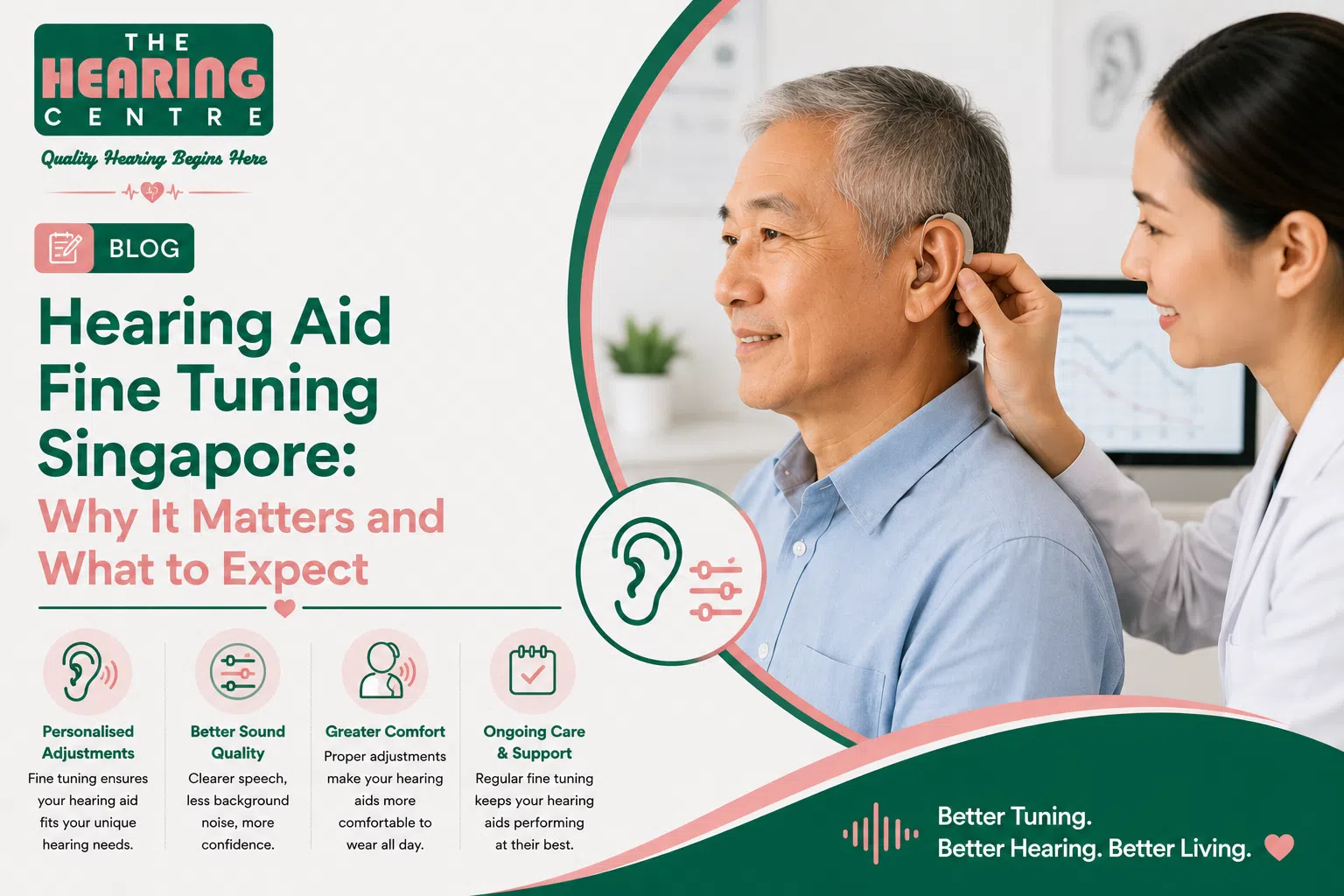
Hearing aids should always be fitted and programmed by a qualified audiologist. Professional fitting ensures:
- Accurate amplification based on hearing levels
- Safe and comfortable sound levels
- Proper physical fit
- Ongoing support and adjustments
Buying hearing aids without professional care often results in poor performance and dissatisfaction.
Living Well With Hearing Aids
Adjusting to hearing aids takes time and patience. With regular use and professional support, most users experience:
- Gradual improvement in comfort
- Better speech understanding
- Increased confidence
- Greater enjoyment of daily life
Consistent use and follow-up care are key to long-term success.
Conclusion
Early recognition of these signs leads to better outcomes. The Hearing Centre offers discreet, advanced solutions plus ear cleaning services to optimize hearing health.
If conversations feel difficult, noisy places feel overwhelming, or social situations are becoming less enjoyable, hearing aids may help you reconnect with the sounds that matter most. Seeking professional advice is the first step toward clearer hearing and improved quality of life.
Frequently Asked Questions:
If hearing difficulties affect communication, daily activities, or quality of life, a hearing assessment can determine whether hearing aids are suitable.
Yes. Hearing aids are often recommended for mild hearing loss to prevent further communication difficulties and listening fatigue.
Modern hearing aids are small, discreet, and designed to blend naturally with your appearance.
Most people adjust within a few weeks, though full adaptation may take longer depending on individual hearing history.
No. Hearing aids are programmed to amplify only the sounds you need, improving clarity rather than overall loudness.
Many hearing aids help reduce tinnitus awareness by improving access to environmental sounds.
Yes. Advanced hearing aids are designed to reduce background noise and focus on speech.
With proper care, hearing aids typically last between five and seven years.
Wearing hearing aids during waking hours supports better adaptation and consistent hearing improvement.
Yes. Early intervention leads to easier adjustment, better communication outcomes, and improved long-term hearing health.