TL;DR
Anyone can put “hearing expert” on a shopfront window these days. Doesn’t mean they know what they’re doing. Picking the right hearing aid professionals matters more than picking the right brand, honestly, because even the best device on the market sounds wrong if it’s fitted badly by someone who doesn’t really get it. This guide covers who actually counts as hearing aid professionals, what they do day to day, and how to tell a good one from someone just trying to make a sale.
A hearing aid professional is someone trained to test your hearing, work out what device fits, and fit it properly to your ears. That’s not just one job title. Some people in this space only deal with hearing aids. Others handle medical stuff too, infections, structural issues, that kind of thing.
What ties them together is the training itself. A real hearing aid professional has actually studied audiology or something close to it, not sat through a weekend seminar on how to sell devices. That’s the whole reason fittings done properly tend to last, while a rushed job from someone under-qualified usually ends up in a drawer within a few months.
Different roles cover different parts of your hearing care.
Professional | What They Do |
Audiologist | Full hearing tests, diagnosis, hearing aid fitting, ongoing adjustments |
ENT Specialist | Medical and surgical care for ear conditions, referrals for cochlear implants |
Hearing Aid Dispenser | Sells and fits hearing aids, usually without full diagnostic testing |
Hearing Care Consultant | Guides patients through device options and aftercare, often working alongside an audiologist |
Speech Therapist | Supports communication and listening skills after hearing loss or a new device |
Not every clinic has all five on staff. Some just run with a dispenser, which works fine for simple cases but falls short if there’s something more complicated going on with your hearing, which is exactly the kind of case that needs proper hearing aid professionals involved.
People tend to assume this job is just handing over a device and pointing you toward the exit. It’s not really that simple.
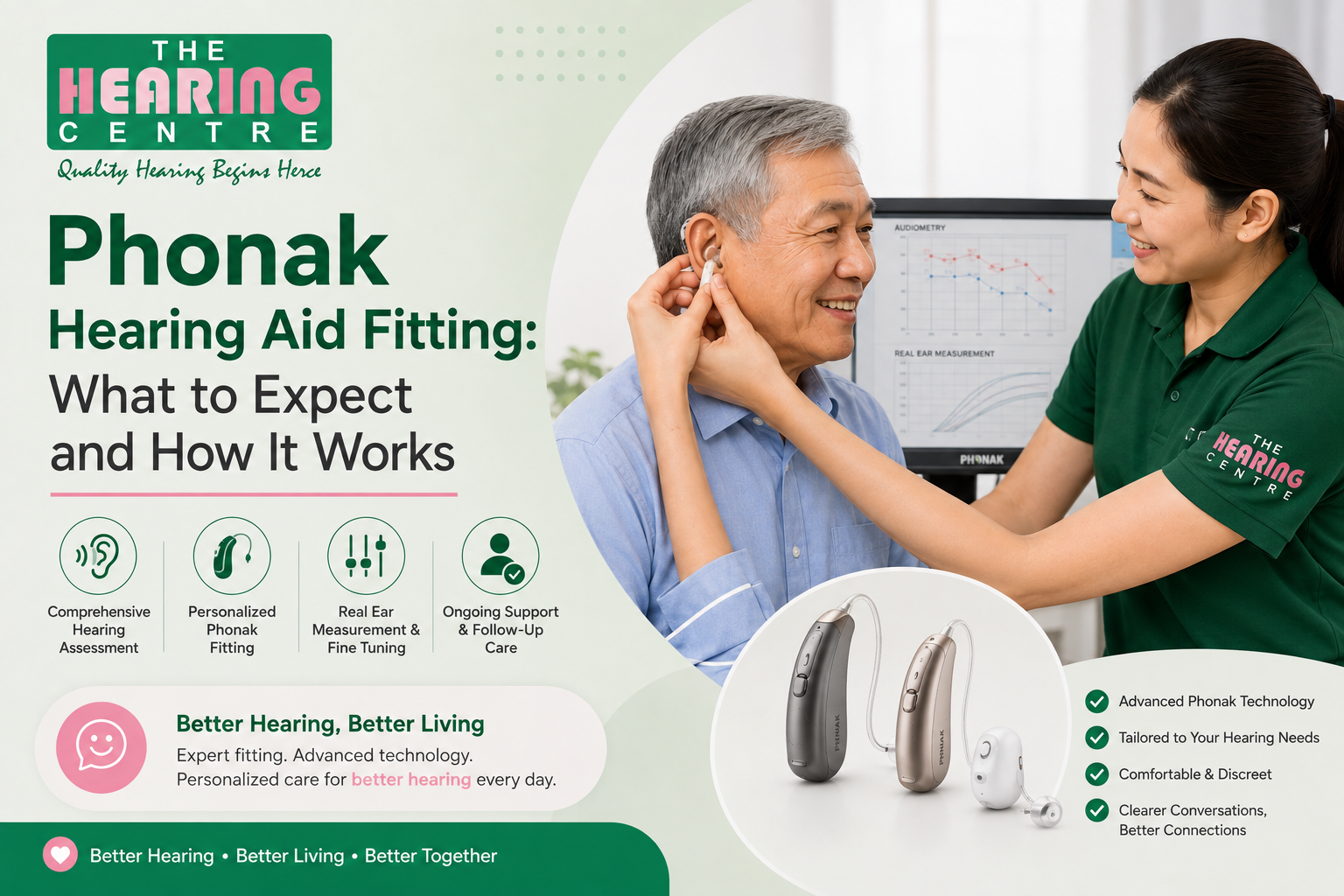
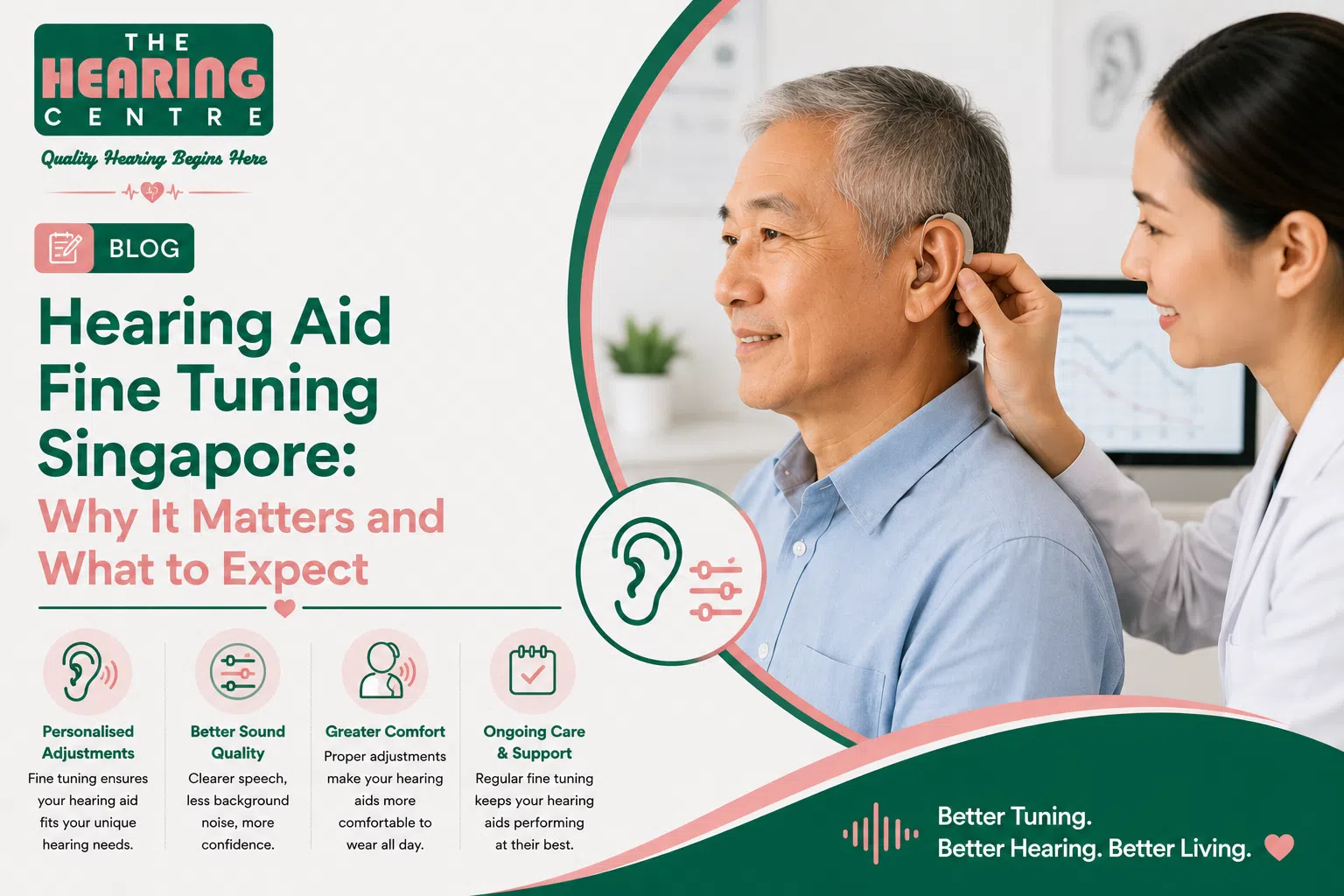
It usually starts with a proper hearing test, done in a soundproof room, to work out what’s actually going on. From there comes a device recommendation based on your hearing levels, your lifestyle, and your budget, not just whatever happens to be sitting on the shelf that week. Fitting comes next, then weeks of small tweaks while your brain gets used to picking up sounds it hasn’t heard properly in a while. And it doesn’t stop there. Ongoing maintenance, sorting out problems, adjusting things as your hearing or your life changes, all of that keeps going long after the first sale.
Cheap hearing aids online look tempting, no question, especially with the price gap. But buying online skips the part that matters most: fitting based on your actual test results, not a generic setting someone applied to every unit on the shelf.
A generic device with generic settings usually causes more problems than it solves. Sounds come through too loud in the wrong spots, too soft in others, speech stays muffled, and a lot of people just give up, assuming hearing aids don’t work for them at all. Most of the time that’s not true. What’s actually missing is the step where hearing aid professionals should’ve tested, fitted, and adjusted things properly in the first place.
There’s the ongoing side too. Buy online and you’re mostly on your own after that. No fine tuning, no one to call when something feels off. A real professional sticks around for that part.
A few things separate solid hearing aid professionals from someone just trying to close a sale:
If someone skips straight to recommending a device without testing your hearing first, that’s worth being cautious about.
Before booking in with any hearing aid professional, it’s worth asking a few things upfront:
Good hearing aid professionals won’t dodge questions like these. Most will bring half of it up themselves before you even ask.
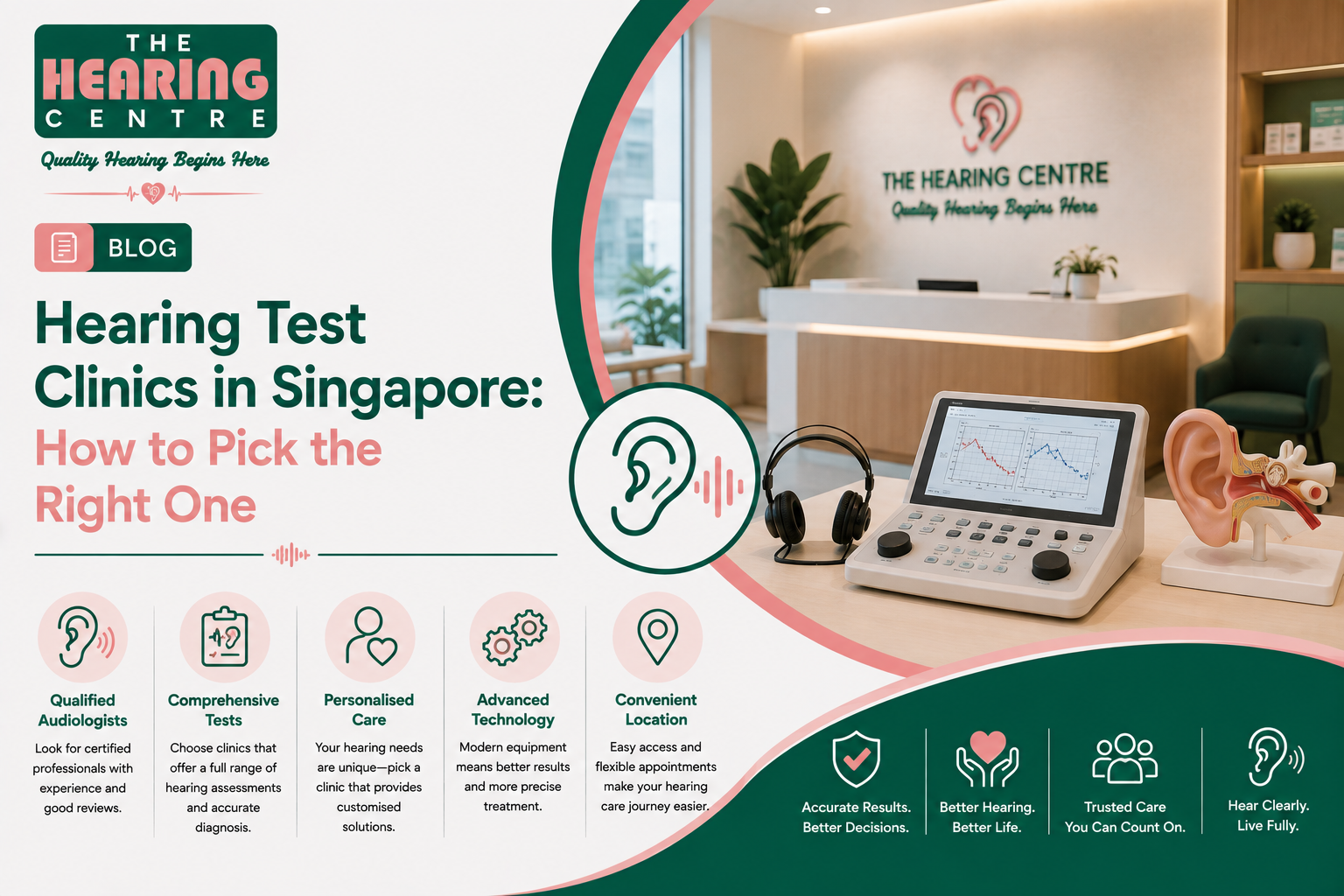
Your first appointment with hearing aid professionals usually opens with a conversation about your symptoms and history, then moves into a hearing test in a soundproof room. After that, they’ll walk you through your results in plain terms and talk through options if a hearing aid gets recommended. None of it should feel rushed. If the whole thing wraps up in ten minutes flat, that’s rarely a thorough job.
A hearing aid consultation isn’t meant to be a one-time thing. Good hearing aid professionals build something more like an ongoing relationship, not a single transaction and done. That covers maintenance, cleaning, small repairs, and updating your settings as brands roll out new features or your hearing shifts over the years.
Warranty coverage is worth asking about too. A hearing aid warranty backed by an actual clinic tends to be more useful than one tied to some online store, since there’s a real place nearby to bring the device if it breaks. And if you ever switch providers, move somewhere else, or just want a second opinion, a licensed audiologist can usually pick things up from where the last one left off, working from your history instead of starting over from zero.
At The Hearing Centre, based right here in Singapore, our team of audiologists and hearing specialists handle testing, fitting, fine tuning, and aftercare all in one place, so you’re not bounced between different people at every step.
Wondering why this matters so much? Our article on why seeing an audiologist matters goes into more detail, and if you’ve been eyeing cheaper options online, our piece on why you should never buy hearing aids online lays out exactly what you’d be giving up.
We’re also known for our work with Hearing aids Singapore more broadly, backed by a team that takes fitting and aftercare just as seriously as the sale itself.
The device matters, sure, but the person fitting it matters just as much, sometimes more. A skilled hearing aid professional can turn a decent device into one that actually works for your life, while a rushed or under-qualified fitting makes even a great one feel useless. Take a bit of time to check credentials, ask a few questions, and pick someone who treats testing and aftercare as seriously as they treat the sale.
Audiologists run full diagnostic hearing tests and handle more complex cases. Dispensers mainly focus on selling and fitting devices, usually without the same depth of testing.
Usually not. Most take walk-in or direct bookings without needing a doctor’s referral beforehand.
Check for registration with a recognised body, like the Society for Audiology Professionals in Singapore, and just ask them directly about their training.
Depends on who you’re seeing. Audiologists can diagnose and manage a lot of hearing loss types, while ENT specialists step in for anything medical or surgical.
Generally, yes. Proper fitting and follow-up adjustments make a bigger difference to how well a device actually works than the device itself does.
Expect a few visits in the first few months for fine tuning, then check-ins every six months to a year once things settle.
Yes. Most are happy to assess and adjust devices you already own, even ones you didn’t buy from them originally.
A list of your symptoms, any hearing aids you’re currently using, and whatever questions you’ve got about cost, brands, or aftercare.
No. The term covers a few different roles, audiologists, ENT specialists, dispensers, hearing care consultants, each with different training and scope.
Look for proper registration, a full hearing test as standard, clear pricing, and aftercare that’s part of the deal from the start, not something added on later.