TL;DR
- Hearing loss and ear infection often show up together. Fluid or swelling blocks sound from reaching your ear.
- Most of the time hearing comes back once the infection clears.
- Infections that keep coming back can leave lasting damage.
- Singapore’s weather makes ear infections happen more here than in drier places.
- At The Hearing Centre we test your hearing, find out what’s happening, and help you get back to normal hearing.
We see hearing loss and ear infection come up together a lot at The Hearing Centre. Usually it starts with an infection that feels routine. Some pain, maybe pressure. Then fluid builds up, or the infection sticks around, and hearing starts to slip too. Most of the time this fixes itself once treatment happens. Sometimes it doesn’t. That’s when it needs a closer look. Here’s why this happens, what to watch for, and what helps.
What Is an Ear Infection?
An ear infection happens when bacteria or a virus causes swelling and fluid to build up, usually in the middle ear, the space behind your eardrum. Happens once for some people. Keeps coming back for others, over months or years.
A few types we see come through the clinic. Otitis media, an infection in the middle ear, common in kids. Otitis externa, also called swimmer’s ear, this one hits the ear canal. Chronic suppurative otitis media, a long running infection that causes ongoing discharge and can damage the ear over time.
Most clear up with treatment. It’s the ones that stick around or keep returning that cause trouble later.
Why Singapore’s Weather Makes This Worse
Living somewhere humid like Singapore means ear infections happen more than in drier places. Moisture gets trapped in the ear canal. Fungus grows in that kind of environment. Locally this has a name, Singapore Ear. It itches, it hurts, and it needs cleaning under a microscope, since it tends to come back if it’s not handled right.
Swim often? Work outdoors? Live somewhere humid most of the year? Keeping your ears dry matters more than people think.
How Ear Infections Affect Hearing
Your ear works as a system. Outer ear, middle ear, inner ear, all connected. Infection hits the middle ear, and it brings swelling, fluid, pressure changes. All of it gets in the way of sound moving through.
Signs that hearing loss ties back to an infection. Muffled hearing. Fullness or pressure in the ear. Trouble catching soft sounds. Turning the volume up more than usual.
This kind of hearing drop is usually temporary. Especially when treated early instead of left alone.
Ear Fluid and Hearing, What’s the Connection?
Fluid buildup, sometimes called glue ear, often stays even after the infection itself clears. Sits behind the eardrum, blocks sound from getting through, causes what’s called conductive hearing loss.
A few reasons fluid builds up. Poor Eustachian tube function, common in young children. Allergies or a lingering cold or flu. Structural issues in the nose or sinuses.
Fluid sticking around for weeks, or coming back? It might need draining through a medical procedure. Watch for fullness or popping, hearing that comes and goes, trouble following speech, balance issues. Sound familiar? A hearing test can show how much it’s affecting you.
Chronic Ear Infections and Hearing Loss
Chronic infections don’t fully clear, or they come back again and again over months or years. Over time this pattern of hearing loss and ear infection can lead to lasting damage. The Hearing Centre asks patients with chronic cases to get checked sooner rather than later, for exactly this reason.
Chronic infections can cause a perforated eardrum, erosion of the tiny bones in your middle ear, scarring inside the middle ear called tympanosclerosis, and in some cases, damage reaching the inner ear.
Left unmanaged, this can mean permanent hearing loss, speech delays in kids, learning struggles, and social withdrawal in adults who start avoiding conversations they can’t follow. Treatment usually means antibiotics, sometimes surgery like tympanoplasty, and ongoing monitoring. Chronic infections already caused damage? Worth exploring hearing implant options with your audiologist.
Can This Kind of Hearing Loss Come Back?
Often, yes, especially caught and treated early. Here’s roughly what happens depending on the type.
Type of Hearing Loss | Cause | Reversible? |
Conductive | Fluid buildup or blockage | Usually reversible |
Sensorineural | Damage to the inner ear | Usually permanent |
Mixed | Both types together | Depends on the cause |
Signs You Should See a Doctor
Catching things early stops most damage. Reach out if hearing loss lasts more than a few days. If fluid won’t clear. Ear pain or infections keep coming back. Discharge from the ear, especially with a smell. Dizziness or balance problems.
An ENT specialist or audiologist can check things using tools like tympanometry, and work out what treatment fits.
How We Diagnose Hearing Loss From Ear Infections
At The Hearing Centre we use a mix of tests to work out what’s happening and how much it’s affecting your hearing.
Otoscopy, a look inside the ear. Tympanometry, measures how your eardrum moves and checks pressure in the middle ear. Audiometry, checks hearing across different pitches. ABR or ASSR testing, looks at how sound signals get processed by the brain, useful for infants who can’t respond to a standard hearing test.
Treatment Options
Medical treatments come first, usually. Antibiotics or antifungal drops for active infections. Decongestants or antihistamines if allergies are part of it. Pain relief to help while things heal.
Surgical options come up when medical treatment isn’t enough. A myringotomy drains fluid through a small incision. Tympanostomy tubes stop fluid from building up again. Tympanoplasty repairs a torn eardrum. Ossiculoplasty rebuilds bones inside the middle ear.
Hearing support devices come into play if hearing loss stays after treatment. Hearing aids help many people hear more clearly. Bone conduction devices work if the middle ear itself has damage. Severe cases, cochlear implants might be the next step.
Prevention Tips
A few habits lower your risk of hearing loss and ear infection becoming a repeat problem. Skip inserting objects into your ears, cotton buds included. Dry your ears after swimming or a shower. Avoid smoking, keep kids away from secondhand smoke. Treat colds, allergies, and sinus issues early instead of letting them sit. Keep up with vaccines for children, pneumococcal and flu shots. Get hearing tests regularly, especially after an ear infection clears.
Our guide on ear infections covers the basics. Our piece on middle ear infections goes deeper into that type if it’s what you’re dealing with. The Hearing Centre also runs checkups for patients who’ve had repeat episodes in the past.
Hearing Health in Children
Kids get ear infections more since their immune systems and Eustachian tubes are still developing. Hearing loss during childhood can affect speech, school performance, how a child interacts with others.
Your child keeps saying “what?” Turns the TV up louder than everyone else needs? Book a hearing evaluation instead of assuming they’ll grow out of it. Our guide on hearing loss symptoms helps you spot the early signs, in kids or adults.
When to Consider Hearing Aids
Hearing loss stays after treatment? Hearing aids can help. Devices today sit discreetly and work far better than older models. Behind-the-ear devices suit moderate to severe loss. In-the-ear models fit custom and stay nearly invisible. Bone anchored devices work for people with chronic infections who can’t wear traditional hearing aids.
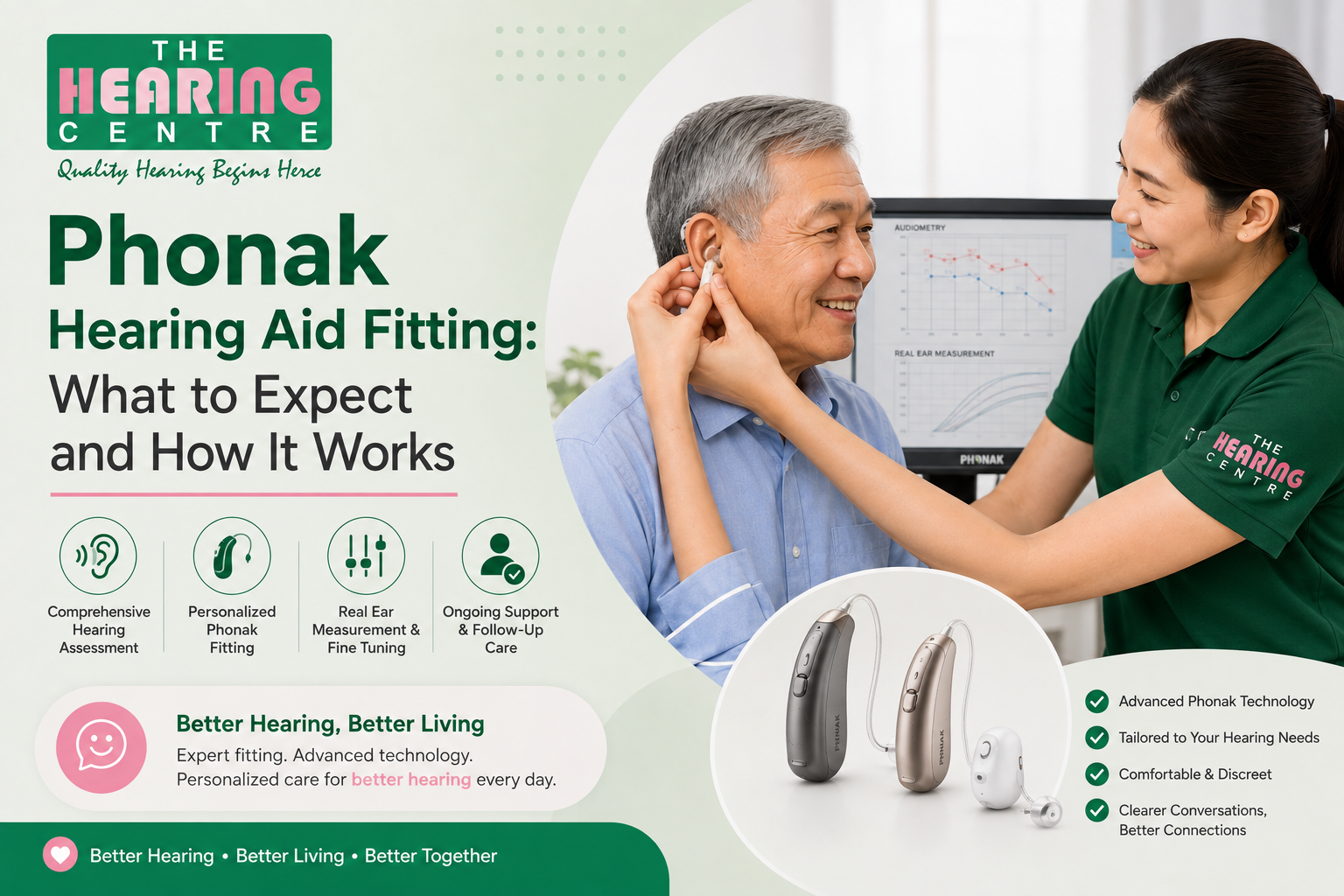
We carry Signia, Phonak, and Starkey. We match a device to what you need, not just whatever’s easiest to sell.
Where to Get Help
At The Hearing Centre we see the link between hearing loss and ear infection all the time. Most cases turn out fine with care at the right time. Have symptoms now? Don’t wait to see if it clears up. Book an evaluation with us. We’ll test you, explain what’s happening, build a plan around your situation. Want support with hearing aids singapore? We’re here for the whole process, not just the first visit.
Final Thoughts
Hearing loss and ear infection connect more than most people realise. Surprises a lot of our patients when we explain it. An infection, left untreated or allowed to keep coming back, can affect your hearing long term. Care at the right time, and most people recover without lasting issues. Symptoms right now? Reach out to us at The Hearing Centre. We’ll get you tested, explain what’s happening, build a plan around what you need.
Frequently Asked Questions
Yes, infections can cause temporary hearing loss due to fluid and inflammation. In rare cases, especially if untreated, it may become permanent.
Most hearing loss resolves within a few days to weeks after the infection clears. If fluid lingers or complications arise, it may last longer.
Fluid in the middle ear blocks sound from reaching the inner ear effectively, causing temporary conductive hearing loss.
Yes, chronic infections can lead to eardrum damage, bone erosion, and long-term hearing loss if not treated properly.
Watch for signs like delayed speech, inattentiveness, or needing high volumes. Schedule a pediatric hearing test if you’re concerned.
Often yes, especially when treated early. However, chronic or severe infections may lead to irreversible damage.
Absolutely. Though more common in children, adults can get infections due to allergies, sinus issues, or water exposure.
Fullness in the ear, popping sounds, muffled hearing, and balance problems may indicate trapped fluid.
In some cases, surgical treatments like tube insertion or tympanoplasty may be necessary, especially if other treatments fail.
Visit The Hearing Centre for a complete hearing evaluation and follow-up care.