TL;DR
A few things separate a solid hearing test from a weak one:
Online tests aren’t a waste of time, they work fine as a first check. But if you want an answer you can actually trust, an in-clinic test wins every time.
Different tests check different things. Rough breakdown below.
Test | What It Checks | Best For |
Pure Tone Audiometry (PTA) | Softest sound you can hear at different pitches | Standard check for adults and older kids |
Speech Audiometry | How well you understand spoken words, especially in noise | People struggling with conversations, not just quiet sounds |
Tympanometry | How well the eardrum and middle ear are moving | Blockages, fluid, eardrum issues |
OAE (Otoacoustic Emissions) | Inner ear response to sound | Newborns and young kids |
Online Hearing Test | Basic screening using your own headphones | A first check, not a full answer |
Workplace Audiometric Test | Hearing levels for work health checks | Staff in noisy work environments |
Most adults getting tested for the first time start with pure tone audiometry. That’s usually the base of the best hearing test for general use. If something looks off, speech audiometry or tympanometry often get added to fill in the gaps.
Free online tests have a place. Quick, private, and a decent push if you’ve been putting off getting checked. But there’s a real gap between what they can tell you and what a proper in-clinic test can.
Online tests run through your own speakers or headphones, in whatever room you’re sitting in. Background noise, speaker quality, volume settings, all of it throws off the result. There’s no audiologist checking it over either, just an app giving you a rough guess.
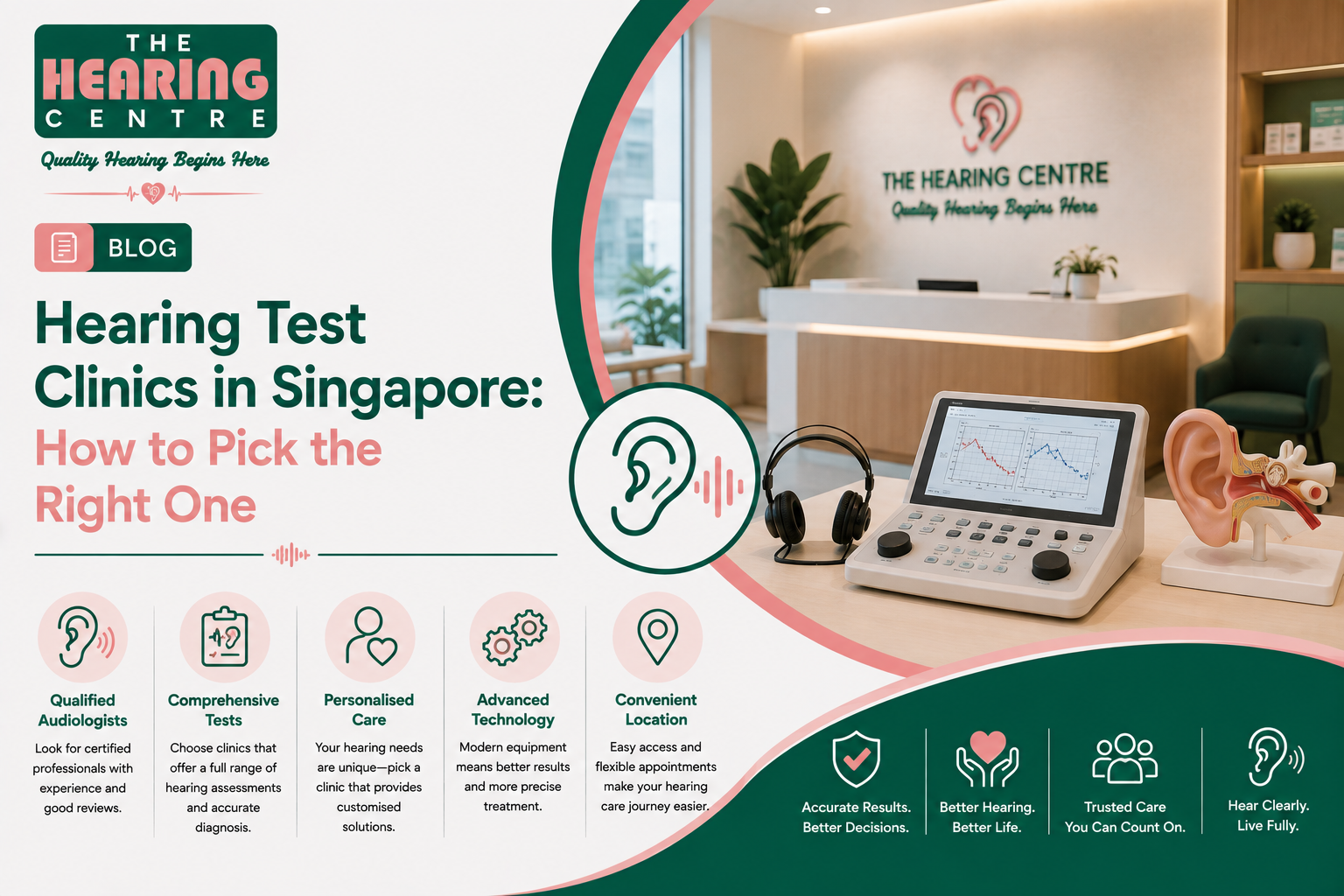
In-clinic tests happen in a soundproof room, with equipment made specifically for hearing tests, and a real audiologist explaining what your results actually mean. If you want the best hearing test you can get, an in-clinic one, done properly, is the way to go. If an online test flags something, or symptoms have been hanging around a while, treat that as your cue to book the real thing.
Not every clinic claiming “the best hearing test” is the same. Check these before you book:
A bit of digging here saves you a wasted appointment later.
Most in-clinic hearing tests go something like this:
The whole thing usually takes 30 to 45 minutes, and none of it hurts. Worst case, your ears feel a bit full afterward from wearing headphones for a while.
Once the test is done, you’ll get something called an audiogram, a chart showing how well you hear at different pitches in each ear. It can look confusing at first, so here’s the basic idea:
Your audiologist should walk you through where your results land and what it actually means day to day, not just leave you staring at a graph. If anything’s unclear, ask. That’s what the appointment is for.
Location matters more than people think. A hearing test close to home or work means you’re actually likely to go, and to come back for a follow-up if one’s needed. In Singapore, hearing tests are available at:
If you’re comparing a few options nearby, look past just the address. Check whether they’ve got a proper soundproof room, a registered audiologist on site, and clear pricing before you commit to a slot.
A little prep makes the whole thing smoother:
A few things people get wrong:
Hearing tests aren’t just for older folks. Plenty of younger adults need one too, especially anyone regularly around loud noise. A “normal” result today doesn’t mean you’re set for life either, hearing can change over time, which is why repeat testing matters. And a hearing test isn’t automatically a setup for an expensive hearing aid sale. A decent clinic will tell you straight if your hearing’s fine and no device is needed.
A few groups should get checked sooner rather than later:
If any of that sounds like you, don’t wait for things to get worse before booking something.
Prices depend on the clinic and what’s included, but as a rough guide, the best hearing test in Singapore usually costs somewhere between SGD 50 and SGD 140, including GST. Basic screening sits at the lower end, while a fuller assessment with several test types costs more. Some workplaces cover this for employees through health programmes, so it’s worth checking with your employer before paying out of pocket.
If you work somewhere loud, factories, airports, construction sites, your employer may need to arrange audiometric testing under Singapore’s workplace safety rules. These checks track your hearing over time to catch noise-related hearing loss early, before it becomes permanent. If your workplace hasn’t mentioned this and you’re often around loud machinery, it’s worth asking if you’re covered.
At The Hearing Centre, based in Singapore, we run full hearing tests in proper soundproof testing rooms, including pure tone audiometry for a detailed picture of your hearing health. Every test comes with a clear walkthrough of your results from a qualified audiologist, not just a printout and a goodbye.
Not sure if it’s time yet? Our piece on why regular hearing tests are important and when to get checked covers the signs worth watching for. And if you’ve already done a quick online check, our article on why a hearing test is not enough explains why a proper in-clinic assessment still matters.
We’re also known for our work with Hearing aids Singapore more broadly, so if a hearing test ends up leading to hearing aids, you’re already in good hands.
There’s no single “best hearing test” that works for everyone, it really comes down to what you’re trying to find out and how much you need to trust the result. A quick online check has its place as a first step, but for anything that actually matters, an in-clinic test with a proper audiologist gives you an answer worth acting on. Putting it off because it feels unnecessary is usually how small issues turn into bigger ones later. If it’s been a while since your last check, or you’ve never had one, that’s reason enough to book it.
Pure tone audiometry is the usual starting point for most adults. If your audiologist wants a fuller picture, speech audiometry or tympanometry might get added depending on your symptoms.
They’re okay as a first check but not fully accurate, since background noise and device quality affect the result. An in-clinic test gives a far more reliable answer.
Generally between SGD 50 and SGD 140 including GST, depending on the clinic and the type of test done.
Most in-clinic hearing tests take 30 to 45 minutes, including a chat about your symptoms and a full results review.
No. Hearing tests are completely painless, whether it’s pure tone audiometry, speech audiometry, or tympanometry.
Roughly every 1 to 2 years if you’re over 50 or work somewhere loud. Otherwise, every few years is a reasonable habit, or sooner if symptoms show up.
A screening is a quick pass-or-refer check, often used for newborns or as a first online test. A full hearing test is more detailed and gives you an actual audiogram showing your hearing levels.
Yes. Your audiologist reviews your results and lets you know whether hearing aids or further treatment make sense based on your specific hearing levels.
Usually not. You can book directly with most hearing clinics or audiology centres without needing a referral first.
For certain noisy industries, yes, employers need to arrange audiometric testing under workplace safety rules. Check with your employer if you’re regularly around loud noise at work.