
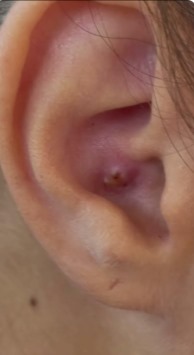
An acne on the earlobe bursts out and a mere accessory becomes aggravation. Red and sore-this is a disaster for earring lovers and skin types with oily skin. Light observations here indicate the reason why it occurs and the method to destroy it within a short period of time to relieve pain and avoid scars.
These lumps on the tender ear lodging usually arise with earrings, sweat, or hormones. They are aggravated by the fact that touching causes infection. Those who get frustrated by pimples that keep recurring get solutions to the problem by identifying triggers such as piercing and accumulation. Nature and tricks of the dermatologists are pain relievers without harmful chemicals.
The guide includes causes, symptoms, fixes at home, when to get concerned, prevention, myths, and the most popular questions. Taking some practical measures will help in clearing the pimple on the earlobe and making the lobes smooth.
What Causes a Pimple on the Earlobe?
Pimples on the earlobes stem from clogged pores or infections. Common culprits:
- Oily buildup: Sebum mixes with dead skin, trapping bacteria.
- Earring friction: Nickel allergies or dirty metal irritate follicles.
- Sweat and dirt: Gym sessions or hats trap grime.
- Hormonal shifts: Puberty, periods, or stress boost oil production.
- Touching habits: Fingers spread bacteria from the face to the ears.
Earlobes, with thin skin and constant exposure, are more prone to irritation. Regular use of a hearing aid without proper cleaning can further increase the risk. Summer heat increases sweat, while winter dryness can crack the skin—both conditions make earlobes vulnerable to pimples.
Spotting Symptoms of a Pimple on the Earlobe
Early signs help act fast:
- Red, inflamed bump.
- Tenderness to touch.
- White or yellow pus head.
- Swelling around the area.
- Itching or warmth.
Pus drainage or crusting signals pus buildup. Neck lymph nodes swelling means it’s serious—don’t ignore.
Types of Pimples on the Earlobe
Not all bumps are equal:
Type | Description | Common Trigger |
Whitehead | Closed pore with white tip | Excess oil |
Blackhead | Open, dark plug | Dirt exposure |
Cyst | Deep, fluid-filled sac | Blocked gland |
Infected | Pus-filled, throbbing | Bacteria entry |
Allergic | Itchy rash-like | Metal reaction |
Cystic ones feel like marbles under skin—ouch.
Home Remedies for Pimple on Earlobe Relief
Gentle fixes work wonders initially:
- Tea tree oil: Dab diluted drop; antibacterial punch dries it out.
- Warm compress: 10 minutes twice daily softens pus for natural drainage.
- Aloe vera: Fresh gel soothes redness and fights inflammation overnight.
- Ice pack: Wrapped, 5 minutes numbs pain, shrinks swelling.
- Honey mask: Raw honey as an antiseptic; leave for 20 minutes.
Always clean the area first. Results show in 2-3 days.
Over-the-Counter Treatments That Help
Pharmacy staples target pimples effectively:
- Benzoyl peroxide cream (2.5-5%): Kills bacteria, use at night.
- Salicylic acid pads: Unclog pores gently.
- Hydrocortisone ointment: Calms itch fast.
- Antibiotic ointment like Neosporin: Guards against worsening.
Spot-treat; moisturize around it to prevent dryness rebound.
When a Pimple on the Earlobe Needs a Doctor
Rush to a dermatologist if:
- The bump grows larger than a pea after days.
- Severe pain, pus, or fever hits.
- Red streaks spread.
- Recurs same spot monthly.
- Accompanies jaw pain.
They drain, prescribe orals, or perform allergy tests.
Prevention Tips to Avoid Pimples on the Earlobe
Smart habits keep lobes clear:
- Clean earrings with alcohol wipes daily.
- Opt for hypoallergenic gold, titanium, or sterling silver.
- Skip sleeping with hoops in.
- Wash hats and headphones weekly.
- No touching—phone on speaker.
- Gentle nightly cleanse.
For those wearing Phonak hearing aids in Singapore or Signia hearing aids in Singapore, regular sanitization of the device parts that touch the lobe is a crucial preventive step. Year-round vigilance cuts occurrences by half.
Pimple on Earlobe vs. Other Earlobe Bumps
Confusing lookalikes:
- Epidermoid cyst: Firm, slow-growing, no pus.
- Keloid: Scar tissue mound from piercings.
- Insect bite: Red ring, gone in days.
- Boil/furuncle: Deep, hot, systemic feel.
- Chondrodermatitis: Painful nodule in sleepers.
Pain type and timeline distinguish.
Caring for Pierced Earlobes with Pimples
Piercings complicate:
- Remove the earring carefully.
- Saline soak (salt water) 2x daily, 5 mins.
- Pat dry, apply ointment.
- No new studs till clear.
- Watch for green pus—infection flag.
Full heal: 3-10 days.
Lifestyle Factors Fueling Earlobe Pimples
Diet and habits play roles. High-glycemic foods spike blood sugar, and poor sleep ramps up hormones. If you use devices like Starkey hearing aids, ensure the fit is not causing excessive friction on the skin. Seasonal factors like summer sweat or winter chap also invite flare-ups.
- High-glycemic foods spike blood sugar.
- Poor sleep ramps hormones.
- Tight masks/collars rub skin.
- Seasonal: Summer sweat, winter chap.
Tweak for clearer lobes.
Common Myths About Pimples on the Earlobe
Bust these:
- Myth: Toothpaste cures overnight. Reality: Burns skin, worsens.
- Myth: All from dirty blood. Nope—local pores.
- Myth: Popping clears fast. Risks scar big time.
Stick to facts.
Seasonal Tips for Pimple Prevention
Weather throws curveballs at your earlobes, but smart swaps keep ’em clear:
- Summer vibes: Towel-dry ears right after pool dips or beach days—lingering water breeds bacteria. Go for lightweight, air-circulating earrings that don’t trap sweat.
- Winter chill: Crank a humidifier to fight dry-air cracks that invite grime. Skip chunky wool scarves rubbing lobes raw; opt for soft cotton wraps.
- Monsoon mess: Humidity turns sweaty ears fungal hotspots—dust on light antifungal powder daily. Change damp headphones quickly to dodge moisture traps.
Tune habits to the forecast, and flare-ups drop big time.
Long-Term Skin Care for Healthy Earlobes
Stick with these daily/weekly habits, and lobes stay smooth for good:
- Slap on a light, won’t-clog moisturizer morning and night—keeps skin happy without oil overload.
- Gentle exfoliate once a week with a soft cloth or fingertip scrub—sloughs dead bits without harsh scrubs.
- Fuel up on zinc-packed foods like pumpkin seeds, spinach, or a supplement if the diet’s light—cuts oil and heals fast.
- Beat stress with quick yoga flows or walks—cortisol spikes pimples, chill vibes keep ’em at bay.
Conclusion
There is a pimple on the earlobe to lose the feel, but clever touches turn the plot. Identify culprits such as sneaky earrings and lean on tea tree and compresses and avoid using dirty routines. Myths busted, lifestyle connections revealed-readers are ahead. Tough cases? Dermatologists deliver. Have smooth, stress-free lobes.
Frequently Asked Questions
Pores become clogged with trapped oil in sweat or sebum overnight, bacteria enter the party, and the boom- inflammation. Oils on earrings or phone lubricate it, particularly following exercise or rainy days.
Definitely—fingernails push bacteria deeper, spark cysts or scars. Better to warm compress for safe drain or let a pro handle it to avoid months of regret.
Simple ones shrink in 3-5 days with remedies; deeper infections take 1-2 weeks. If hanging on past 10 days, doc time to prevent chronic bumps.
Super common with cheap nickel studs—red, itchy proof. Test by switching to gold; clears in days if allergy’s the villain.
Skip it—menthol dries harshly, leads to peels and rebounds. Tea tree or salicylic acid does the job kinder and smarter.
Yep, periods, PCOS, or teen surges pump oil everywhere, lobes included. Track cycles, add spearmint tea to mellow androgens naturally.
Mild soap, lukewarm water, pat-dry, then benzoyl peroxide. Twice daily max—no scrubbing, which irritates and prolongs.
Totally—oils, makeup residue transfer during chats. Wipe screen daily, use Bluetooth or shoulder-free calls to break the cycle.
Nah—could be harmless cyst, keloid scar, or even sebaceous hyperplasia. If no pain/pus and growing slowly, scan for peace of mind.
Big yes—ditch excess sugar/dairy, load omega-3s from fish/nuts, zinc from seeds. Notice flares post-junk? Cut it, see clearer skin in weeks.