TL;DR
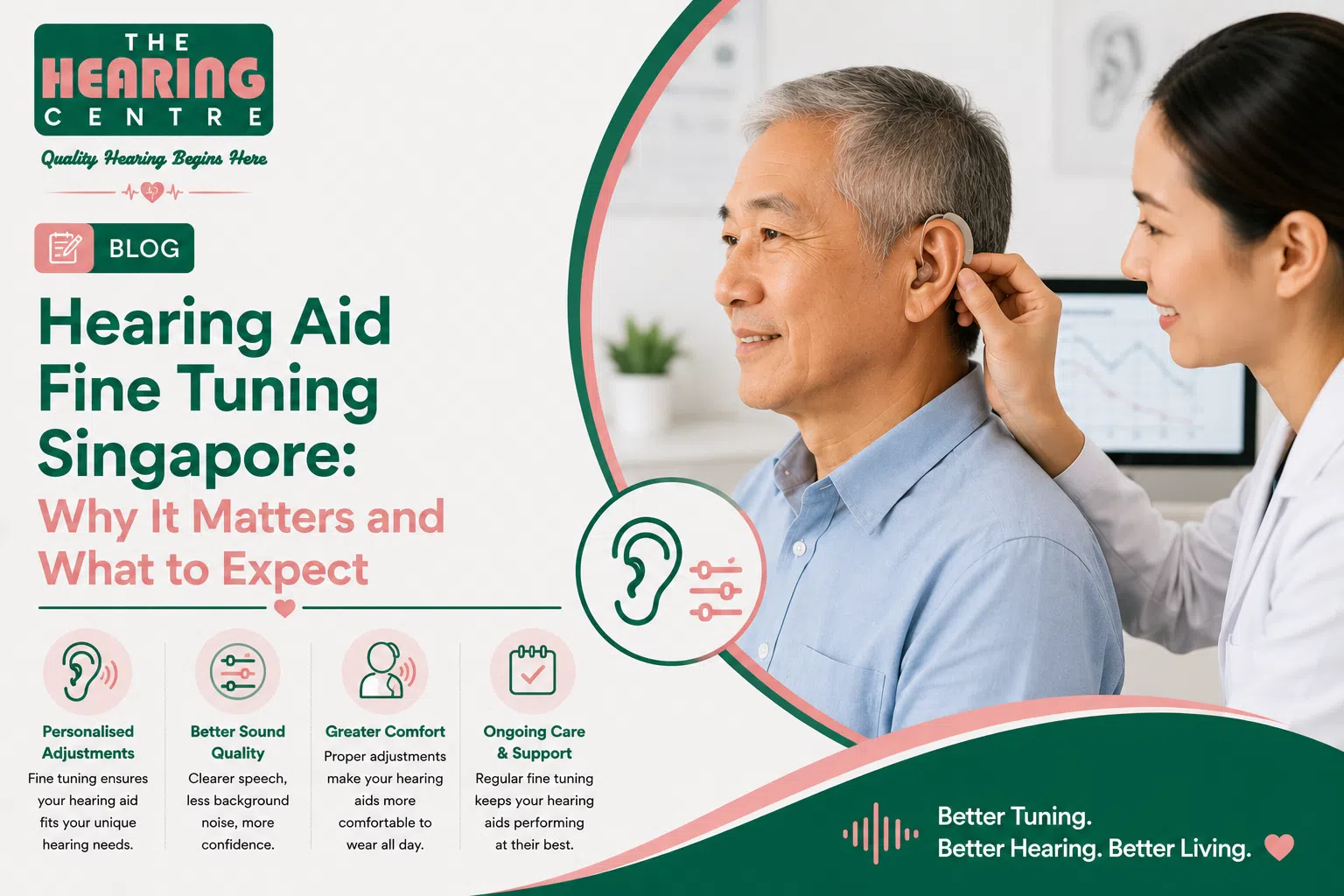
Getting hearing aids isn’t a one-time thing where you pop them in and suddenly hear like you did twenty years ago. There’s a whole stretch after fitting where your audiologist keeps adjusting the settings until things finally sound right. That’s called hearing aid fine tuning. Skip it, and even a great device ends up sitting in a drawer somewhere because it never quite felt right. Here’s what fine tuning actually involves, why it matters more than people think, and what to expect if you’re going through it.
Hearing aid fine tuning is the back-and-forth of adjusting your device’s settings after the first fitting. Think of that first fitting as a rough draft. Your audiologist sets the hearing aid up based on your test results, but real life is a lot messier than a quiet test booth. Traffic outside, a packed hawker centre, your grandkids all talking over each other, none of that shows up properly in one appointment.
So over the next few weeks, small changes keep happening. Volume gets nudged up or down. How the device handles background noise gets dialled in. That annoying whistling sound, feedback, gets sorted out too. This is really what separates a device that technically works from one that actually feels like it belongs in your ear.
A lot of people give up on their hearing aids in the first few months, and it’s almost never because the device is bad. Usually nobody went back to adjust it properly. Sound that’s too loud just gets tuned out mentally. Speech that still sounds muffled gets blamed on the device instead of the settings. Both of these get fixed with a proper adjustment session, not a new device. The Hearing Centre runs into this all the time with new patients who assumed they just got a dud unit.
Your hearing shifts over time too, and so does your life. Maybe you switched to a noisier office, or picked up a hobby with a completely different sound environment. Settings that felt fine a year ago might not cut it now.
A few things usually point to needing another round of adjustments:
None of this means the device is broken. Most of the time it just means the settings haven’t caught up with how you actually use your ears day to day.
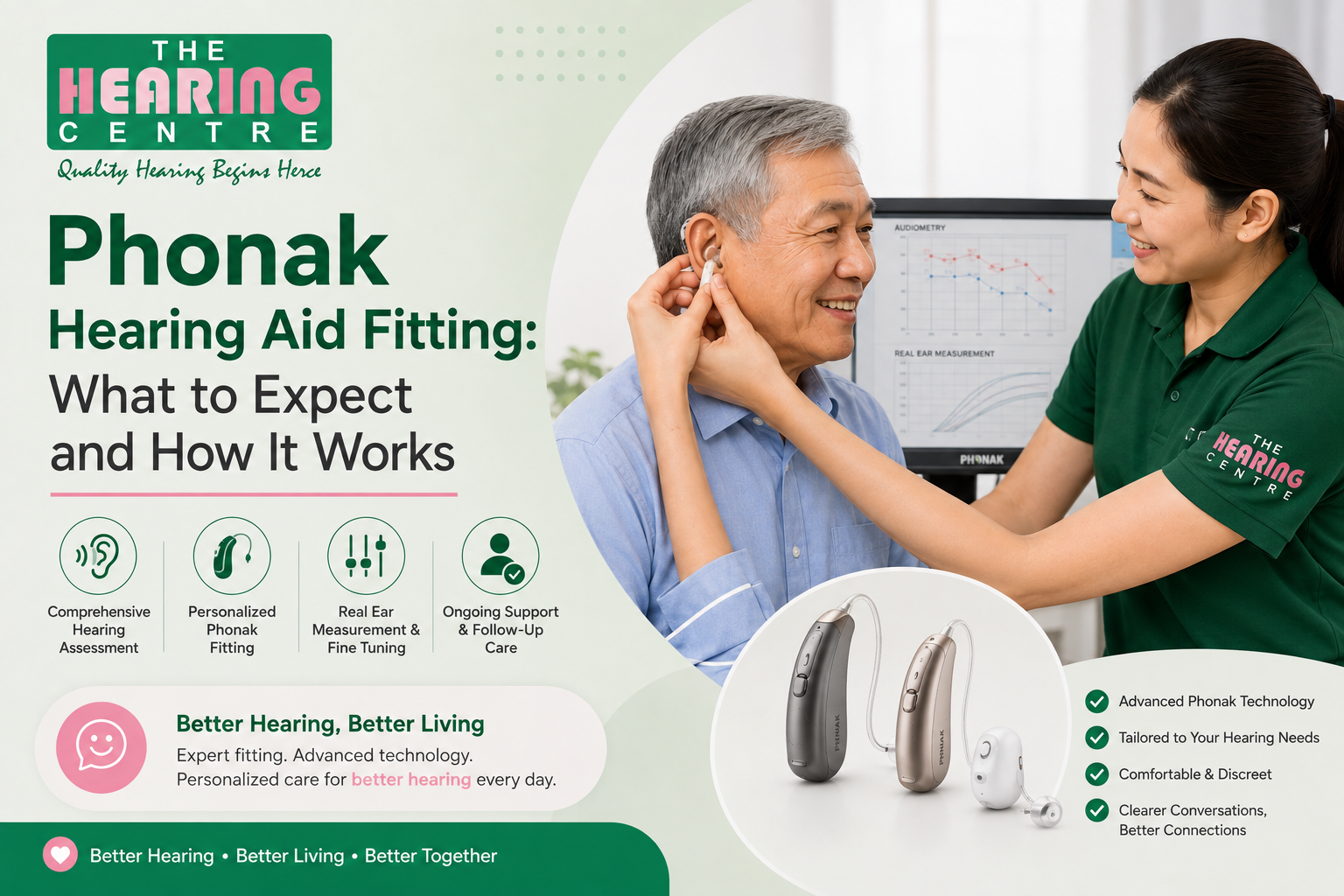
A fine tuning appointment is usually shorter than the first fitting, but it follows a similar path. Curious what the original hearing aid fitting process looks like too? That’s worth a read before your first visit.
None of this is guesswork on the audiologist’s side. A proper hearing aid fine tuning session runs through software connected directly to your device, so changes are exact, not a rough stab in the dark.
Right after getting new hearing aids, expect a handful of sessions over the first one to three months. Your brain needs time to get used to sounds it hasn’t properly heard in years, and your feedback during that stretch genuinely shapes how the device gets set up.
Once things settle, most people only need a check-in every six months to a year, unless something changes. A cold, an ear infection, a new job, even a noticeable weight change can all mess with fit and sound. Any of those is reason enough to book another adjustment session instead of just putting up with it.
A lot of modern hearing aids come with an app that lets you nudge the volume or switch programmes right from your phone. That’s genuinely handy for small day-to-day stuff, like turning things down at a noisy restaurant.
But messing with the app and getting a proper session with your audiologist are two different things. The app only changes surface-level settings. An audiologist doing real-ear measurements, which is what The Hearing Centre runs at every follow-up, can see exactly what sound is hitting your eardrum and adjust things way beyond anything the app lets you touch. If you’re constantly fiddling with the app just to get through the day, that’s usually a sign you need an actual appointment, not more tinkering on your own.
A lot of clinics, The Hearing Centre included, build a set number of free hearing aid fine tuning sessions into the price of your hearing aids singapore, especially in the first few months after fitting. Once that window closes, some places charge per visit, others fold it into an ongoing aftercare plan. Worth asking upfront exactly what’s covered so nothing surprises you later. Good aftercare habits matter too, and our guide on why hearing aid maintenance is important covers the day-to-day side of keeping your device performing well between fine tuning visits.
At The Hearing Centre in Singapore, fine tuning isn’t treated as some optional extra tacked on at the end. It’s baked into how we work with every patient. After your initial hearing aid fitting, our audiologists book follow-up sessions to check in, make adjustments, and keep tweaking until the device actually feels right, not just technically correct on paper.
If something feels off between appointments, discomfort, feedback, sound that just isn’t landing, our hearing aid repairs and adjustments service covers that too, no need to wait for your next scheduled visit. The Hearing Centre’s whole approach comes down to this: a hearing aid that’s never been properly fine tuned isn’t doing its job, no matter how much it cost.
A hearing aid that’s never been properly fine tuned is only doing half its job, no matter how good the tech inside it is. If something still feels off after your first fitting, that’s not a reason to give up on the device. It’s a reason to go back and get it adjusted. Hearing aid fine tuning is what turns a decent device into one that actually fits your life.
It adjusts your device’s volume, noise handling, and specific frequency settings so the sound matches your actual hearing and daily environment, instead of a generic factory setup.
Most people go through a handful in the first one to three months, then occasional check-ins after that, roughly every six months to a year.
Not at all. You might feel a bit of pressure from the real-ear measurement microphone, but that’s about the extent of it.
You can make small everyday tweaks through most hearing aid apps, but that’s not the same as a proper fine tuning session done with real-ear measurements by an audiologist.
Muffled speech, loud sounds that hurt, whistling, or general discomfort are all signs. If you’re avoiding wearing your hearing aids because something feels wrong, that’s a strong hint too.
Many clinics include a set number of free sessions after your first fitting. After that window, it depends on the clinic, so it’s worth checking what’s included upfront.
Your hearing test happens in a quiet booth. Real life is louder and messier, so settings almost always need adjusting once you’re actually wearing the device day to day.
Yes, in most cases. Feedback usually comes down to fit or a specific frequency setting, both of which get sorted during a fine tuning session.
Yes. Hearing shifts gradually over time, and your lifestyle changes affect what settings work best too. Periodic fine tuning keeps things matched to where you actually are.
Most hearing aid providers offer it as part of aftercare, including The Hearing Centre, where fine tuning sessions are built right into the process after your first fitting.