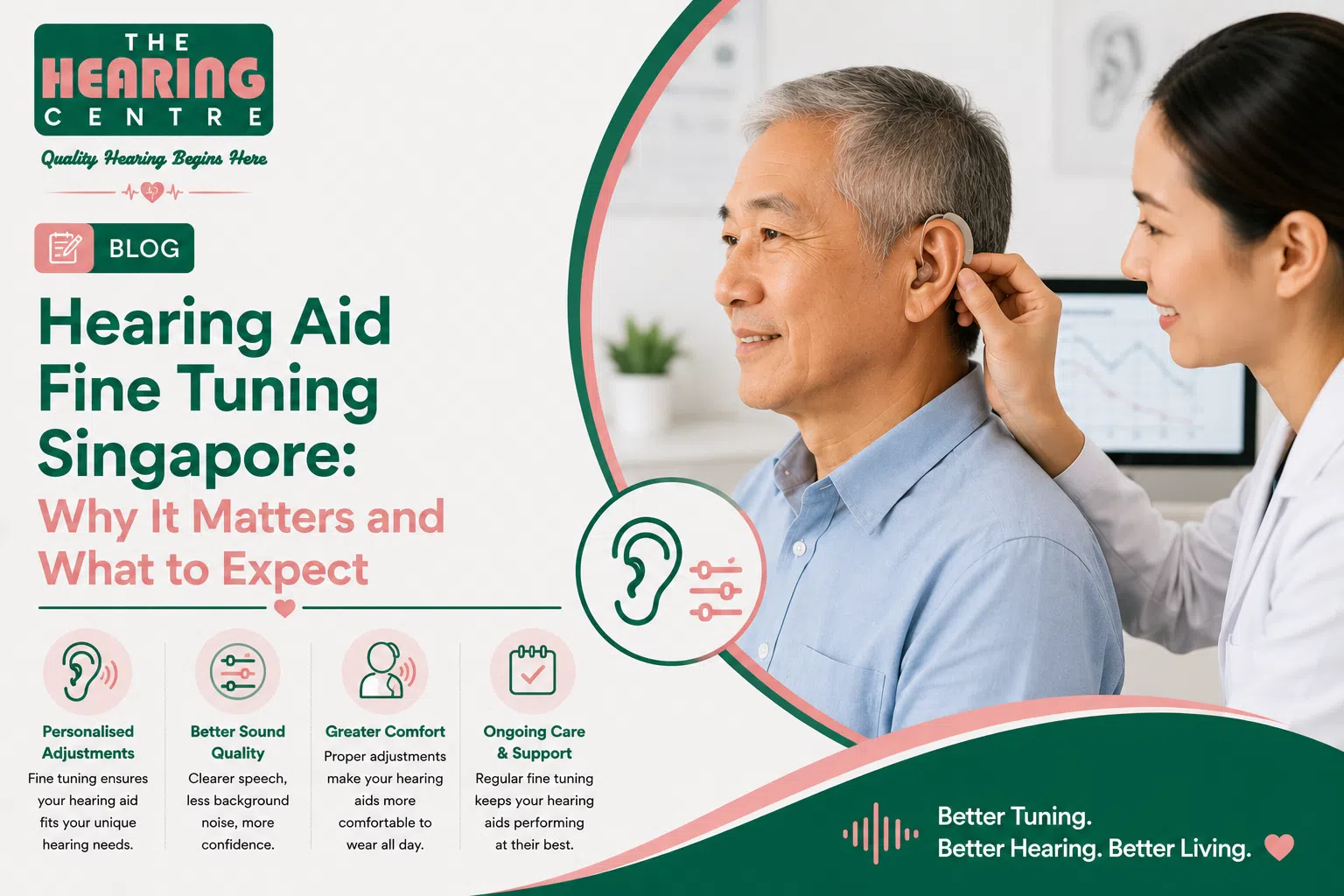
Maintaining and cleaning your hearing aids Singapore is crucial for their long-term performance. Neglecting your device can lead to poor sound quality, discomfort, and even costly repairs. This blog post will walk you through the proper steps and techniques to ensure your hearing aids function optimally, providing you with clear and crisp sound every day.
Introduction to the Importance of Maintenance for Hearing Aids
Hearing aids are a significant investment in your quality of life. They help you stay connected to the world around you by amplifying sounds and enhancing your auditory experience. However, like any other electronic device, they require regular maintenance to function effectively. Proper maintenance not only prolongs the life of your hearing aids but also ensures that you get the best possible performance from them.
Regular maintenance can prevent issues such as feedback, distortion, and reduced battery life. It also minimizes the risk of ear infections caused by bacteria buildup on the devices. By following a consistent cleaning and maintenance routine, you can avoid these problems and enjoy the full benefits of your hearing aids.
In this guide, you’ll learn everything you need to know about maintaining and cleaning your hearing aids. From understanding the different components to daily cleaning routines and professional maintenance, we’ve got you covered.
Understanding the Components of a Hearing Aid and How They Function
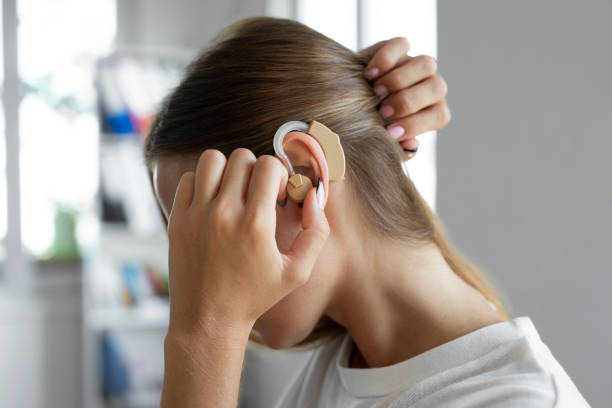
Hearing aids might seem complex, but understanding their components can make maintenance easier. Generally, a hearing aid consists of the following parts:
Microphone
The microphone converts the environment’s sound into electrical signals. These signals are then processed and amplified by the hearing aid. Regular cleaning of the microphone is essential to prevent blockages that can affect sound quality.
Amplifier
The amplifier increases the strength of the electrical signals received from the microphone. It plays a crucial role in determining the overall performance of the hearing aid. Keeping the amplifier clean and free from moisture is vital for optimal functionality.
Receiver
The receiver converts the amplified electrical signals back into sound and directs it into your ear canal. This component is susceptible to earwax and debris buildup, which can interfere with sound delivery. Ensuring the receiver is clean will help maintain clear sound quality.
Battery
The battery powers the hearing aid. Depending on the type of hearing aid, batteries may need to be replaced or recharged regularly. Proper battery care, including avoiding exposure to moisture, can extend battery life and improve device performance.
Step-by-Step Guide on Daily Cleaning Routines for Hearing Aids
Daily cleaning is crucial to keep your hearing aids in top condition. Here’s a step-by-step guide to help you maintain your devices:
Step 1: Gather Your Cleaning Supplies
You’ll need a soft, dry cloth, a small brush (often provided by your audiologist), and a wax pick or hook. These tools will help you clean your hearing aids without damaging them.
Step 2: Remove and Inspect the Hearing Aids
Carefully remove your hearing aids and inspect them for any visible debris or earwax. Pay close attention to the microphone, receiver, and earmold.
Step 3: Clean the Earmold
Use the soft cloth to wipe down the earmold, removing any earwax or debris. If your hearing aids have a vent, use the brush to clean it gently. Avoid using water or cleaning solvents, as these can damage the device.
Step 4: Clean the Microphone and Receiver
Use the small brush to gently clean the microphone and receiver. Be careful not to push debris further into the device. If necessary, use the wax pick or hook to remove any stubborn earwax.
Step 5: Check and Replace the Batteries
Open the battery compartment and check for any signs of corrosion or moisture. If the battery needs replacing, do so with clean hands to avoid contaminating the contacts. Ensure the battery compartment is dry before closing it.
Tips for Proper Storage and Care to Prevent Damage
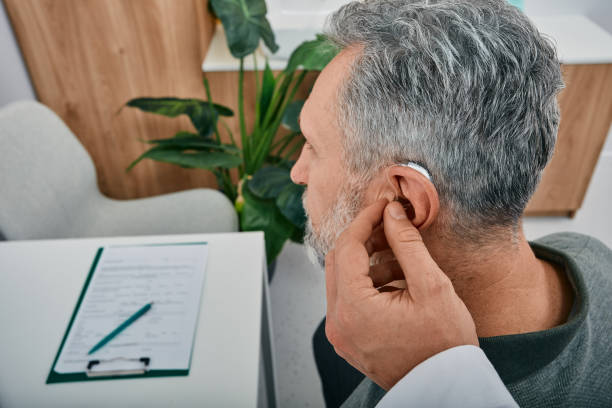
Proper storage and care are essential to protect your hearing aids from damage. Follow these tips to keep your devices safe and functional:
Store in a Dry, Cool Place
Moisture is a common enemy of electronic devices, including hearing aids. If you are not using your hearing aids then put them in a dry, cool place. Avoid leaving them in the bathroom or other humid areas.
Use a Hearing Aid Dehumidifier
Consider using a hearing aid dehumidifier to remove moisture from your devices. These dehumidifiers are specifically designed for hearing aids and can help extend their lifespan.
Keep Away from Pets and Children
Pets and children can accidentally damage hearing aids. Store your devices out of reach to prevent any mishaps. A dedicated storage case can provide extra protection.
Avoid Exposure to Extreme Temperatures
Extreme temperatures can damage the components of your hearing aids. Avoid leaving them in direct sunlight, near heaters, or in cold environments for extended periods.
The Role of Professional Maintenance and When to Seek Help from an Audiologist
While daily cleaning and proper storage are essential, professional maintenance is also crucial. Regular check-ups with your audiologist can help identify and fix potential issues before they become major problems.
Schedule Regular Check-Ups
Your audiologist can perform thorough cleanings and inspections that go beyond what you can do at home. They can also check for any software updates or adjustments needed for optimal performance.
Seek Help for Persistent Issues
If you notice persistent issues with your hearing aids, such as feedback, distortion, or reduced battery life, schedule an appointment with your audiologist. They can diagnose and fix the problem, ensuring your devices work correctly.
Take Advantage of Warranty and Repairs
If your hearing aids are under warranty, take advantage of it for any necessary repairs. Proper maintenance can help you avoid frequent repairs and extend the life of your devices.
Frequently Asked Questions About Hearing Aid Care and Maintenance
How often should I clean my hearing aids?
Daily cleaning is recommended to prevent earwax and debris buildup. Regular maintenance ensures optimal performance and extends the life of your devices.
Can I use water or cleaning solvents on my hearing aids?
No, avoid using water or cleaning solvents on your hearing aids. These can damage the electronic components. Use a soft, dry cloth and the cleaning tools provided by your audiologist.
What should I do if my hearing aids get wet?
If your hearing aids get wet, remove the batteries immediately and allow the devices to dry completely. Use a hearing aid dehumidifier if available. Avoid using heat sources like hairdryers, as these can cause further damage.
How often should I replace the batteries in my hearing aids?
Battery life varies depending on the type of hearing aid and usage. On average, batteries need to be replaced every 3-10 days. Rechargeable batteries may need to be charged daily.
When should I seek professional maintenance for my hearing aids?
Schedule regular check-ups with your audiologist and seek professional help if you notice persistent issues, such as feedback, distortion, or reduced battery life.
Conclusion
Regular maintenance and cleaning of your hearing aids are essential for optimal performance. By following the steps and tips outlined in this guide, you can ensure your devices provide clear and crisp sound every day. Proper care not only prolongs the life of your hearing aids but also enhances your overall listening experience.
Don’t wait until issues arise—start incorporating these maintenance practices into your daily routine. And remember, your audiologist is always there to help with professional maintenance and support.
Ready to take the next step in caring for your hearing aids? Reach out us today and schedule a maintenance check-up. Your ears—and your hearing aids—will thank you!