Child’s Hearing Aids
If you’ve recently found out your child might need hearing aids, you’re not alone. This blog will guide you through the importance of early intervention and help you understand the technology available to support your child’s unique needs. With the right hearing aids Singapore, your child can experience life to the fullest.
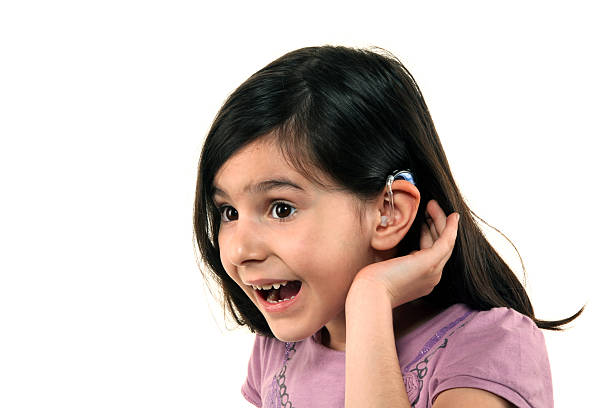
 Hearing aid technology is continually evolving, offering new possibilities and improved experiences for young users. Staying informed about these advancements can benefit children with hearing loss.
Understanding Childhood Hearing Loss
Overview of Common Causes
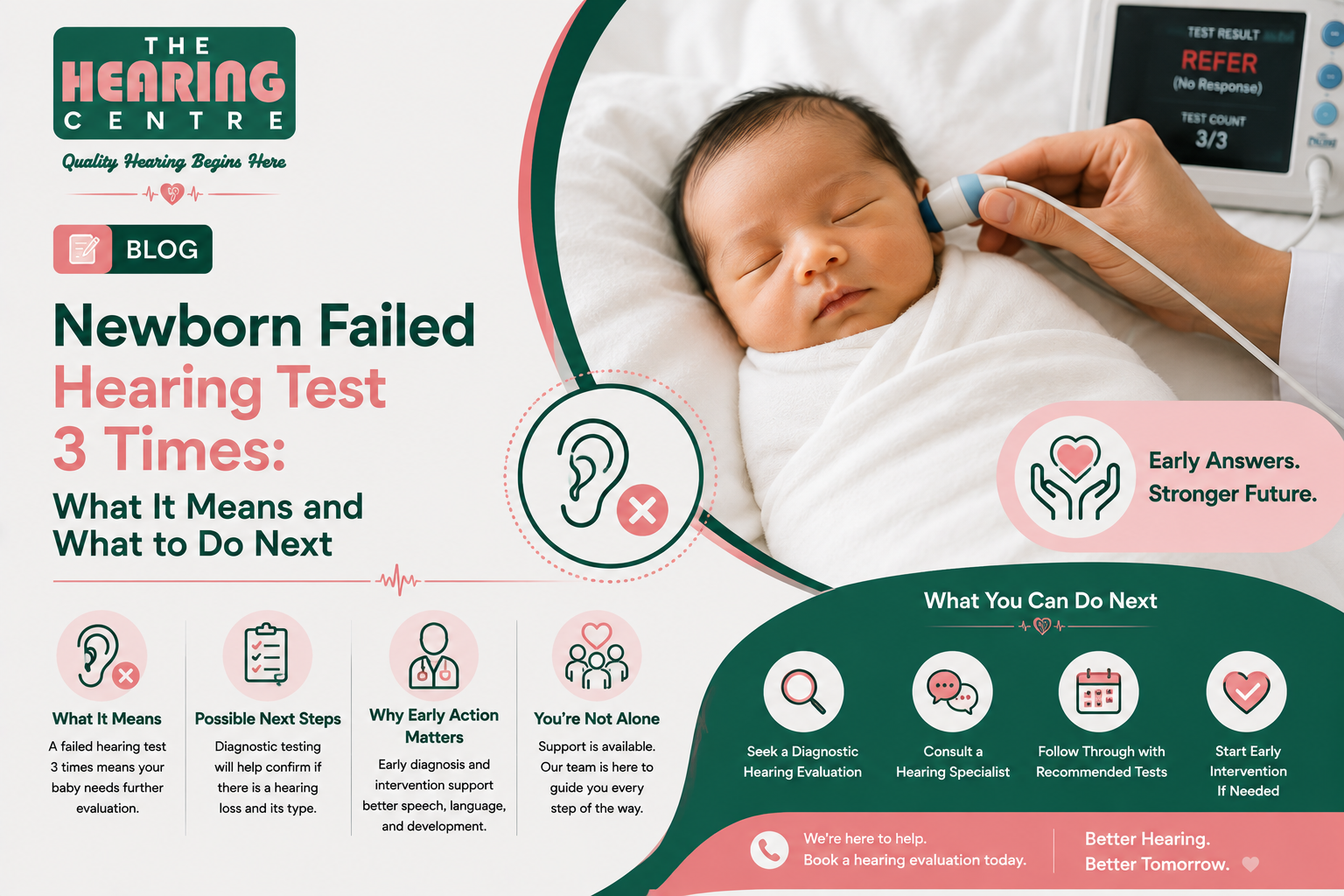
Childhood hearing loss can stem from various factors, including genetics, infections, and exposure to loud noises. Understanding the root cause is essential for selecting the most effective treatment. Impact on Development Hearing is vital for language acquisition, social skills, and academic success. Missing out on crucial sounds can delay speech and cognitive development. By addressing hearing loss early, you can help ensure your child reaches their full potential.Signs to Look For
If you’re concerned about your child’s hearing, watch for signs like delayed speech, frequent ear infections, and difficulty following conversations. Consult a healthcare professional if you notice any of these indicators.Types of Hearing Aids for Children
Behind-the-Ear (BTE) Hearing Aids
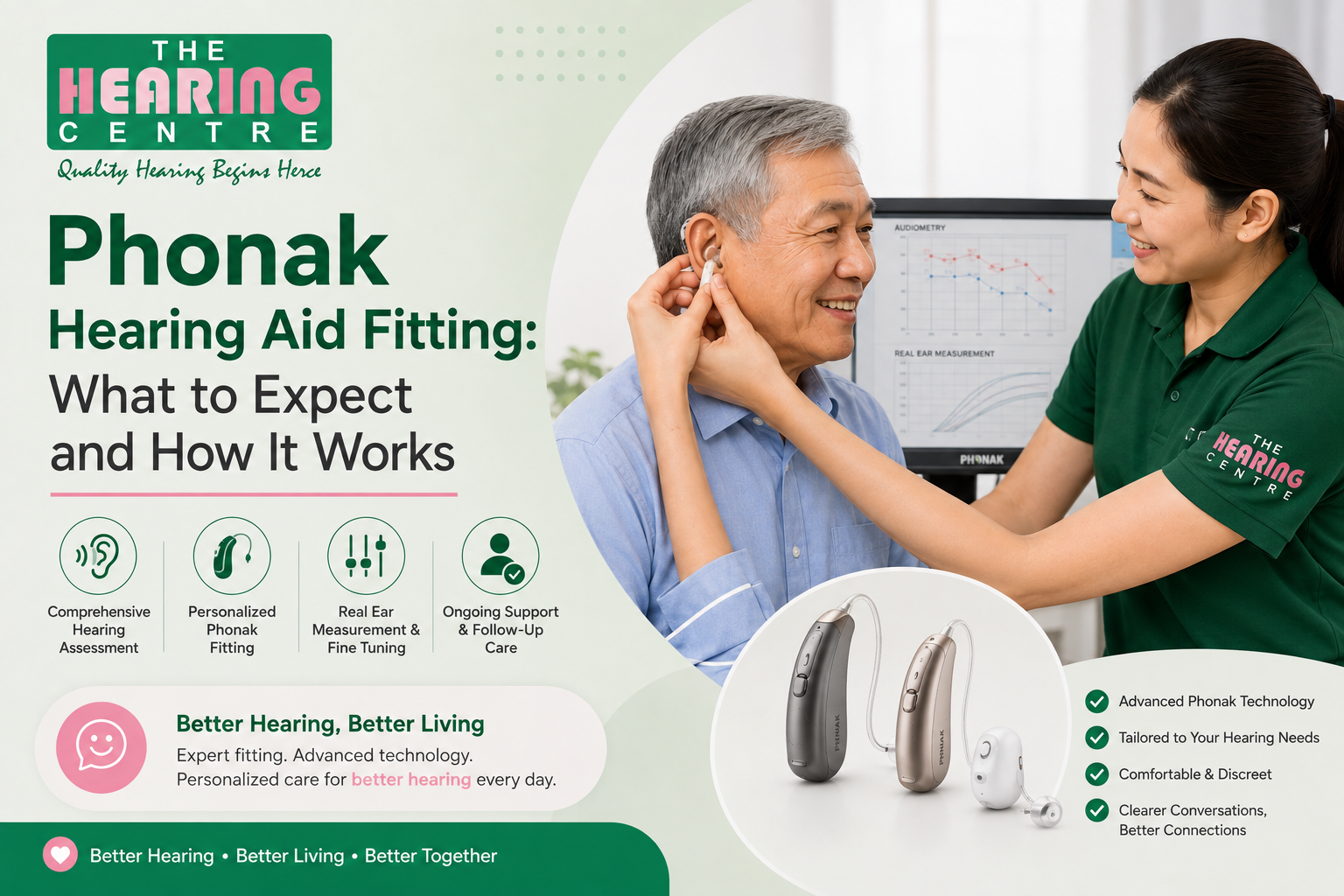
BTE hearing aids are popular for children due to their durability and ability to accommodate growing ears. They consist of a small device worn behind the ear and a custom earmold that fits inside the ear canal. These aids offer excellent sound quality and are easy to handle.In-the-Ear (ITE) Hearing Aids
ITE hearing aids can be life-changing for children, they can be an option for older kids with specific needs. They are discreet and can be easier for children to manage independently.Bone-Anchored Hearing Systems (BAHS)
BAHS are ideal for children with conductive hearing loss or single-sided deafness. These devices use bone conduction to transmit sound directly to the inner ear, bypassing damaged parts of the ear. BAHS require surgical implantation, making them a more permanent solution.Factors to Consider When Choosing Hearing Aids for Kids
Durability
Children are active and curious, so their hearing aids need to withstand daily wear and tear. Look for devices that are water-resistant and robust enough to handle the occasional drop or bump. Ensure the hearing aids come with a warranty for added peace of mind.Comfort
Comfort is key for children to wear their hearing aids consistently. Opt for models with soft, hypoallergenic materials. Custom earmolds ensure a snug fit, reducing the risk of discomfort or irritation. Work with an audiologist to find the best fit for your child.Special Features
Today’s hearing aids come with new features like Bluetooth connectivity, noise reduction, and rechargeable batteries. These features can enhance your child’s listening experience and make managing their hearing aids more convenient. Discuss with your audiologist which features are most beneficial for your child.The Role of Early Childhood Educators

Recognizing Hearing Issues
Early childhood educators play a critical role in identifying hearing issues. They spend significant time with children and can observe signs of hearing loss that parents might miss. Training educators to recognize these signs ensures timely intervention.Supporting Children with Hearing Aids
Educators can support children with hearing aids by creating an inclusive classroom environment. This includes seating arrangements that favor the child, using visual aids, and ensuring clear communication. Regular check-ins with the child can help address any challenges they face.Collaborating with Parents and Audiologists
Effective communication between educators, parents, and audiologists ensures the child’s needs are met. Sharing observations and progress reports helps tailor support strategies. This collaboration fosters a supportive network for the child.The Importance of Regular Check-Ups
Regular check-ups are essential for maintaining the effectiveness of hearing aids. Audiologists can adjust settings, ensure proper fit, and address any issues.Monitoring Hearing Health
Children’s hearing needs can change over time. Regular audiological evaluations help monitor their hearing health and adjust the hearing aids accordingly.Ensuring Proper Fit
Children grow quickly, and so do their ears. Regular check-ups ensure that the earmolds fit properly, avoiding discomfort and feedback issues.Upgrading Technology
Technology evolves rapidly. Regular visits to the audiologist can keep parents informed about new advancements that might benefit their child, ensuring they always have the best possible hearing aids.Building a Support Network
Having a strong support network is crucial for parents navigating their child’s hearing loss. Connecting with others can provide valuable insights and emotional support.Parent Support Groups
Joining parent support groups can offer a sense of community and shared experiences. These groups often provide practical advice and emotional support from those who understand the challenges firsthand.Professional Support
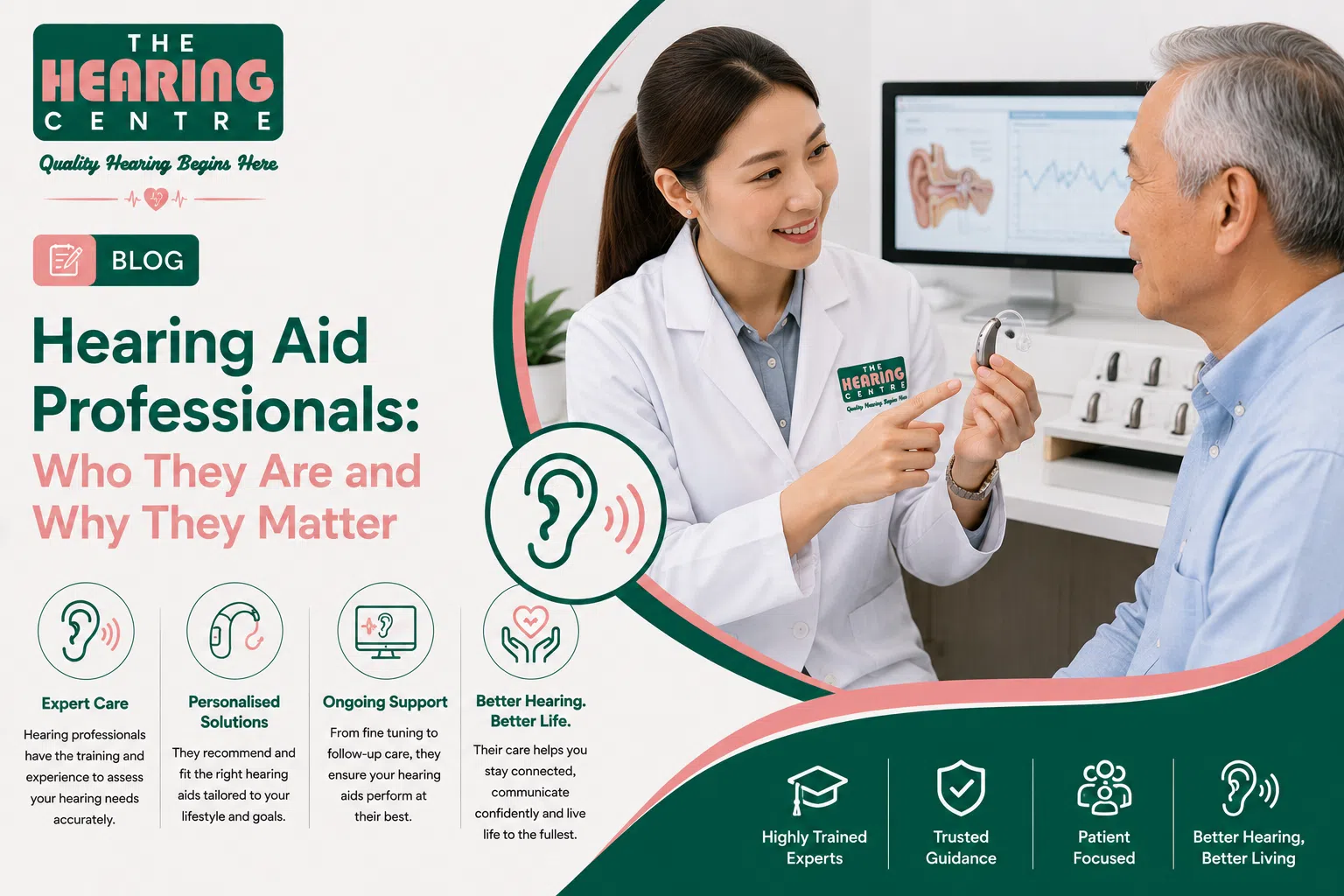
Working with a team of professionals, including audiologists, speech therapists, and educators, ensures comprehensive care for the child. Each professional brings a unique perspective and expertise to the child’s hearing health.Online Resources
Many online resources offer valuable information and support for parents and educators. Websites, forums, and social media groups can be excellent sources of advice and community.The Future of Hearing Aid Technology
 Hearing aid technology is continually evolving, offering new possibilities and improved experiences for young users. Staying informed about these advancements can benefit children with hearing loss.