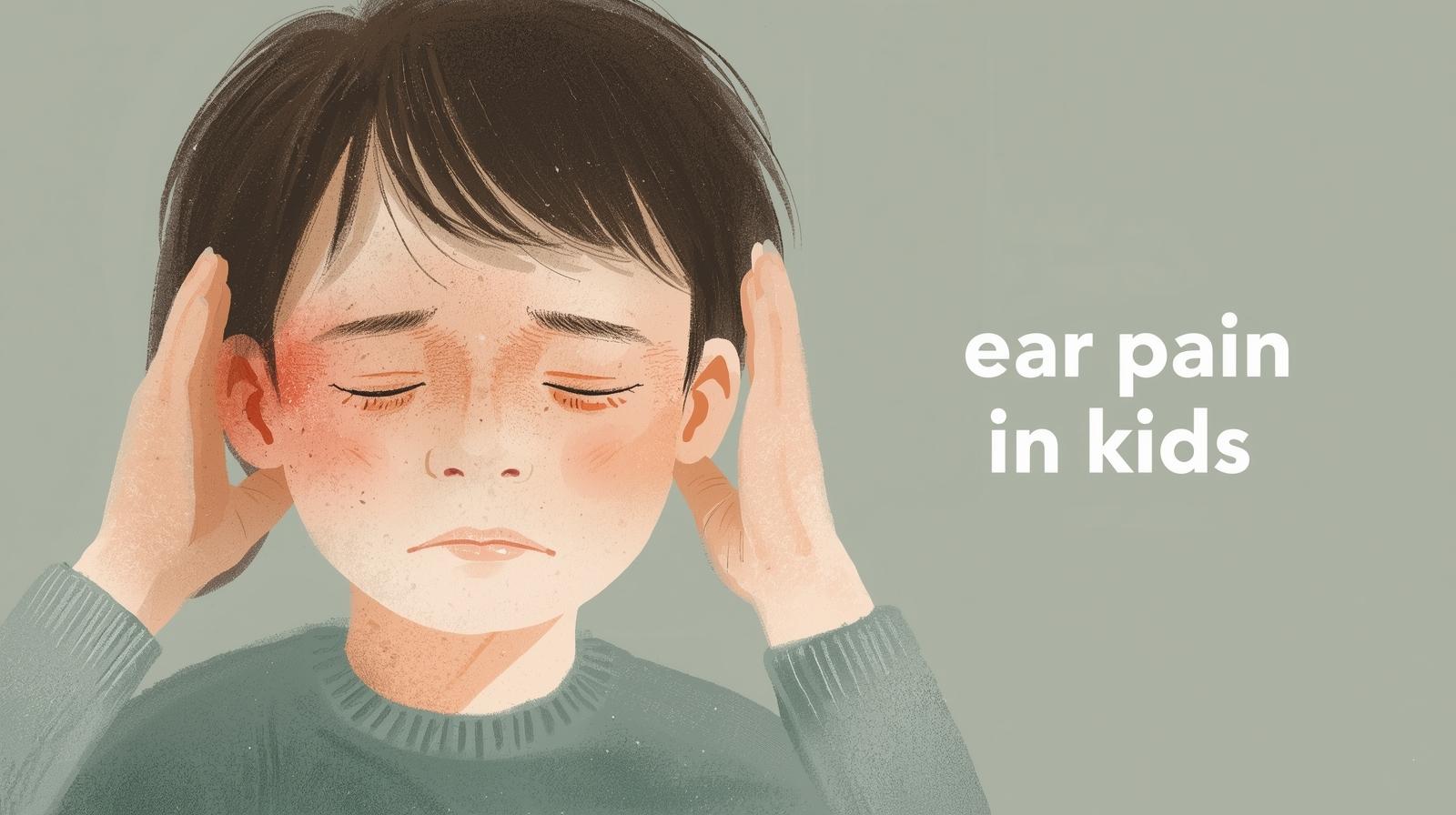
Many parents are terrified when their children experience ear pain. Bedtime becomes a struggle when a child cries, fusses, or clutches their ear at night. This guide explains the causes of children’s ear pain, how to identify it, and how to treat it. Here, parents can find clear guidance based on common indicators and reliable care advice. Simple assistance for anxious families—no technical jargon.
Children’s rapidly developing ears and tubes that drain fluid from the middle ear are frequently associated with ear pain. Blockages caused by colds, allergies, or bacteria increase the pressure behind the eardrum. This post covers signs, triggers, relief tricks, and when to seek help. Families gain peace knowing that common ear pain in kids responds well to gentle steps.
Why Ear Pain Hits Kids Hard
Kids face ear pain more than grown-ups. Small tubes called Eustachian tubes connect the throat to the middle ear. In children, these tubes sit flat and stay open less often. Germs or mucus from a cold trap fluid, swell the area, and cause sharp pain. About one in four kids under age two gets an ear infection each year.
Swollen adenoids or allergies add to the mix. Teething babies tug their ears as their gums hurt nearby. Planes or dives shift air pressure, pinching those tiny tubes. Outdoor play brings dirt and bugs that spark outer ear woes. Understanding these roots helps families act fast. Persistent fluid buildup may affect hearing—consider Signia hearing aids in Singapore for assessments.
Spotting Ear Pain in Kids: Key Signs
Parents learn to read a child’s cries. Fussiness peaks at night when lying down worsens pressure. The child pulls or rubs the ear, loses balance, or skips meals. Fever climbs to 101°F or higher in young ones. In some cases, clear fluid drains from the ear, or hearing dims for weeks.
Babies show signs differently. They may cry more during feeds, avoid smiling, or sleep restlessly. Toddlers might tilt their heads, become irritable, or lose interest in play—if these symptoms persist and affect hearing, families sometimes consider options like hearing aids in singapore after proper diagnosis. Older kids can clearly say “my ear hurts.” Watch both ears carefully, as pain can shift sides. Track sleep patterns, mood changes, and ear-tugging habits to share accurate details with your doctor.
Top Causes of Ear Pain in Kids
Middle Ear Infections (Otitis Media)
Most ear pain in kids stems from here. A cold virus swells the Eustachian tube. Bacteria grow in trapped fluid. Pain throbs, fever joins, and fluid stays for four to six weeks if unchecked. Vaccines cut risks, but daycare spreads germs fast.
Swimmer’s Ear (Otitis Externa)
Water stays in the outer ear canal after baths or pools. Damp skin grows soft, and germs enter. Pain stings on touch; kids guard the ear. Drops dry it out quickly.
Eustachian Tube Blockage
Colds or allergies plug the tube. Pressure builds without infection. Yawns or chews pop ears. Decongestants help mild cases.
Teething or Tooth Trouble
Gums swell up red and sore during teething, and that ache often radiates straight to the ear since nerves connect close by. Drool flows nonstop, fists head to the mouth for relief, and babies get extra fussy at night. Check teeth for those red spots or new edges poking through—cool teething rings or gentle gum rubs ease the shared pain fast.
Foreign Objects or Bugs
Toddlers love stuffing beads, beans, or tiny toys deep into their ears during playtime curiosity. Bugs sometimes buzz right in at night, especially in warm months, scaring everyone awake. Never probe with fingers or tools—that pushes things worse; rush straight to a doctor or urgent care for safe removal.
Throat or Sinus Issues
Sore throats from colds or strep refer sharp pain right up to the ears through shared nerve paths. Sinus gunk buildup during allergy season mimics a true earache, with stuffy noses and head pressure adding to the misery. Gargles, honey tea, or doc-checked throat swabs sort out the real culprit quickly.
Home Relief for Ear Pain in Kids
Warmth soothes first. A cloth-warmed bottle held to the ear eases the throb for 10 to 20 minutes. Keep it snug, not hot. Elevate the crib mattress head a few inches for sleep—prop under the mattress, not pillows.
Pain drops come next. Acetaminophen or ibuprofen doses match age and weight—check charts or ask pros. Breastfeed or suckle for comfort; milk’s warmth calms. Hydrate with clear fluids to thin mucus.
Chew tricks open tubes. Gum for big kids, bottles for babies. Yawns help too. Fresh air walks distract and calm. Consult Starkey hearing aids specialists if relief falls short.
Natural Aids Parents Swear By
Onion poultices draw out fluid—warm grated onion in a cloth, apply for 30 minutes. Garlic-mullein oil drops fight germs; two drops per ear soothe. Avoid if the drum breaks. Humming songs vibrate tubes open.
Steam from showers loosens gunk. Run bathwater hot, sit in vapor 10 minutes. No vapour rubs on chest—they sting canals.
Visit The Hearing Centre Singapore for expert checks on recurring issues.
Foods and Habits That Help Prevent Ear Pain in Kids
Strong diets build defences. Yogurt with live cultures fights bad germs. Vitamin C from oranges boosts white cells. Chicken soup thins mucus old-school style.
Daily habits shield ears. Dry heads after baths—no wet hair to bed. Skip cotton swabs; they push wax deep. Breastfeed six months passes antibodies. Limit colds with hand washes.
Allergy checks cut repeats. Dust-free rooms, no pets in bed. Smoke stays far—secondhand puffs swell tubes double.
When to Call the Doctor for Ear Pain in Kids
Red flags demand fast help. Fever over 102°F lasts two days. Neck stiffness, rash, or drowsy spells join pain. Pus drains thick, yellow or bloody. Pain grips for over 48 hours despite drops.
Babies under six months need same-day care for any tug. Repeat bouts in three months, flag tubes or allergies. Hearing tests follow fluid for about six weeks.
Docs peek with tools, prescribe drops if pus shows. Tubes surgery fixes chronic clogs—tiny vents drain fluid.
Tests and Treatments for Ongoing Ear Pain in Kids
Doctors use scopes/tympanometry; antibiotics for bacterial cases, and tubes for chronic fluid. Follow-ups monitor hearing/speech. Explore Phonak hearing aids or Starkey hearing aids for lasting support.
Antibiotics work half the time—watch and wait fits most. Drops numb pain, kills outer foes. Tubes outpatient fix—kids play the next day.
Allergy shots or nose sprays tame triggers. Adenoid trims help big repeaters.
Long-Term Care After Ear Pain in Kids
Follow-ups check hearing. Speech delays are linked to fluid time. Schools test yearly.
Build lifelong ear health. Swim hoods block water. Flu shots dodge colds. Dry Q-tip outsides only.
Daily Routines to Dodge Ear Pain in Kids
Morning nose rinses clear gunk. Night props ease pressure. Chew carrots post-swim. Track colds in journals—spot allergy peaks.
Play smart: pools with drops after. Share toys? Wipe germs. Vaccines stay current.
Ear Pain in Kids by Age Group
- Babies (0-12 months): Tugs mean check fast. Drops only doc-dosed. Hold upright feeds.
- Toddlers (1-3 years): Distract with books. Chew teething rings. Daycare chats cut germs.
- School Age (4-12 years): Teach hand hygiene. Chew gum on flights. Allergy eyes open.
Myths About Ear Pain in Kids Busted
Oil drops cure all? No—wrong type worsens. Antibiotics always? Waiting harms less. Chiropractors fix tubes? No proof. Flying pops it forever? Planes fine post-cold.
Building Family Ear Health Habits
Stock drops, thermometers, bulb syringes. Learn signs together. Praise clean hands. Model yawns, chews.
Doctors praise proactive homes. Fewer visits, stronger kids.
Conclusion:
Ear pain in kids tests families, but knowledge turns worry into action. Spot signs early, try warmth and drops, call pros on red flags. Prevention through clean habits and smart diets cuts repeats. Kids bounce back strong—nurture those ears for play-filled days ahead. Start simple routines today; healthy hearing lasts lifetimes.
Frequently Asked Questions
Colds trap fluid behind the eardrum. Germs grow there, pressure builds fast, and the ache hits hard, especially at night when kids lie down.
Warm cloth to the ear for 20 minutes feels good, pain drops matched to weight and age work quickly, prop head up higher for sleep so pressure drops off.
Fever stays high two days straight, pus leaks out thick or bloody, baby under six months tugs even a little—get help that same day.
Yes—baths or humidifiers trap moisture in any season, so always dry ears well after washing to keep that canal safe and dry.
No—viruses pass alone in a few days with rest; drops target pus cases only after a doc takes a close look inside.
Yes—nerve links share ache from sore gums right up to the ear; check teeth for red swollen spots and offer cool teething rings too.
Pain fades 24-48 hours with home care like warmth; fluid might linger weeks after, so keep an eye on hearing changes.
Sure—swell tubes just like colds do every time; nose sprays and keeping dust low help cut those repeat pains way down.