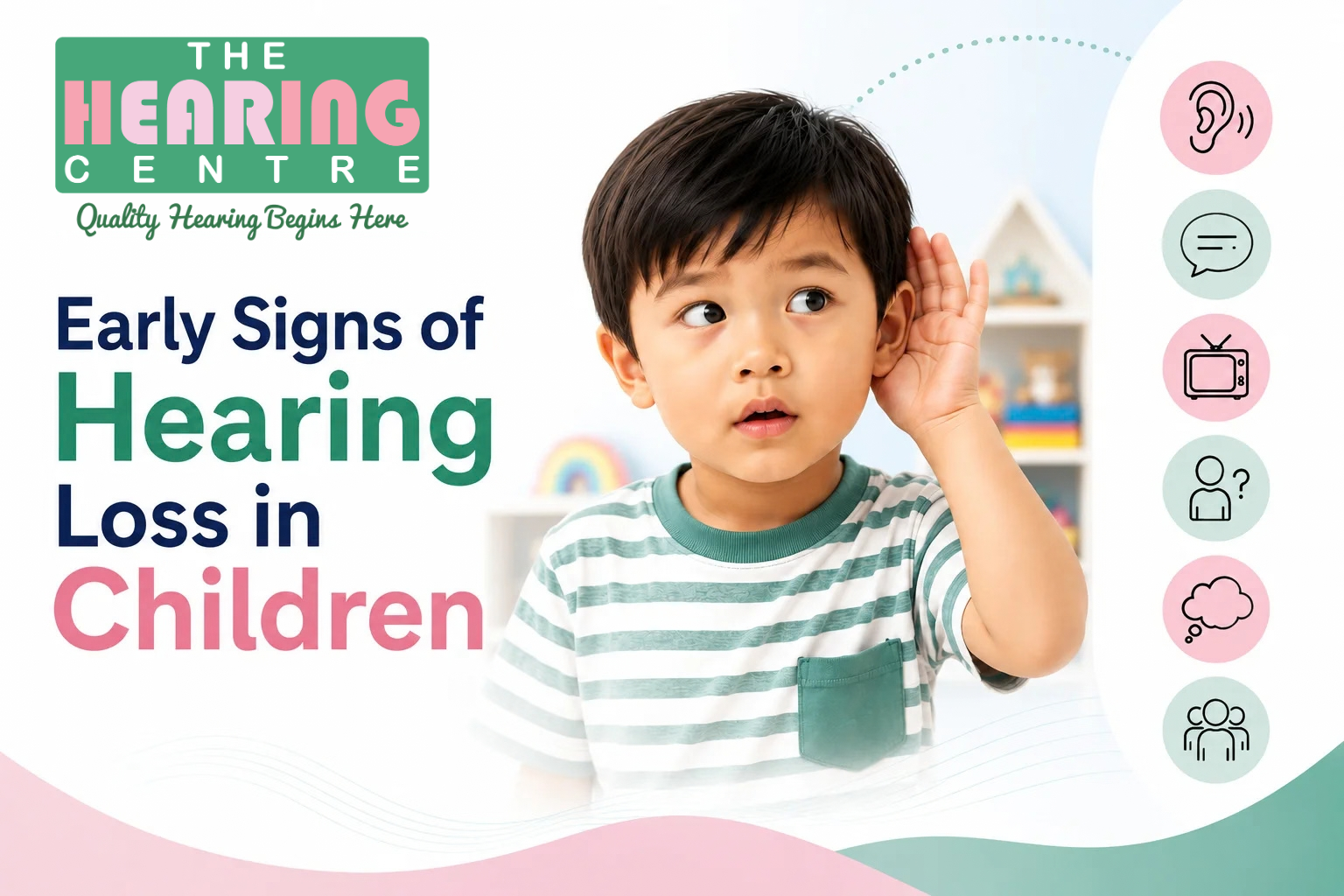
TLDR: The early signs of hearing loss in children are easy to miss. They look like normal kid stuff. A baby who doesn’t turn toward sound. A toddler whose words come out unclear. A kid who always wants the TV louder than everyone else. None of these prove anything on their own. But if you’re seeing a few of them, get it checked. At The Hearing Centre, that’s really the whole message. A hearing test takes minutes and doesn’t hurt. Guessing helps nobody.
Why This Matters So Much for Young Kids
Kids learn to speak by listening first. Before a child ever says a real word, they’ve spent months just soaking up sound. Tone, rhythm, all of it. When hearing isn’t working right, speech falls behind too. And a delay that goes unnoticed for too long doesn’t just stay a hearing issue. It bleeds into school, confidence, how a kid gets along with other kids. That’s the whole reason parents get told to watch closely in the early years, not just when something looks obviously wrong.
What Can Cause Hearing Loss in Children
There isn’t one single cause. It can run in the family. It can come from an infection the mother had during pregnancy, like rubella or CMV. such as rubella or CMV, or a serious infection after birth, such as meningitis. Premature birth, a stay in the neonatal intensive care unit and severe newborn jaundice are also known risk factors, loud noise over time, a head injury, or certain medicine can all be a factor. Some causes can be stopped before they happen. Others can’t. Either way, knowing the cause tells you what to do next.
Early Signs in Babies Under a Year Old
Babies can’t tell you something feels wrong, so you have to watch for clues. Be alert if your baby:
– Doesn’t startle at a sudden loud noise
– Doesn’t turn toward your voice or other sounds by around six months
– Isn’t babbling or cooing by six months
– Doesn’t respond to their own name by their first birthday
– Seems frustrated when trying to communicate
Any one of these on its own doesn’t mean much. But if several sound familiar, book a hearing check rather than waiting to see whether things change.
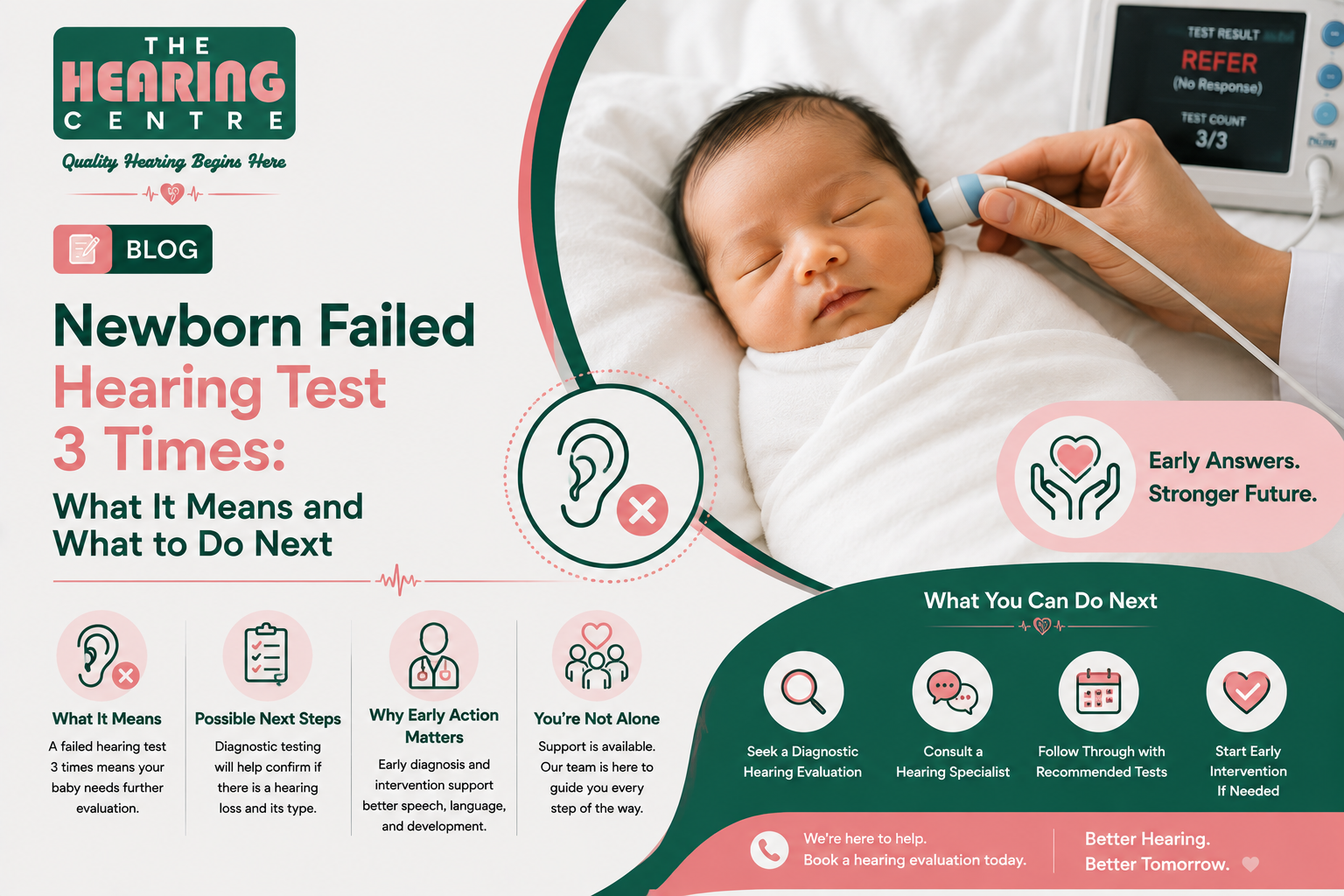
It’s also worth knowing that passing the newborn hearing screening is reassuring but not a lifetime guarantee. Some children develop hearing loss later, and some have loss that gets worse over time, so keep watching for signs as your child grows.
Signs by Age Group
The signs shift as kids get older. Ages one to three, the biggest flag is usually Unclear speech noticeably behind other kids the same age. Add to that ignoring simple instructions, talking louder than needed, not responding when called from another room, leaning on pointing over actual words.
Ages three to five look a bit different. Struggling to pick up new words at the pace you’d expect. Watching your lips closely while you talk. Getting frustrated mid conversation. Holding back from group play. And the classic one: wanting the TV louder than everyone else in the room.
School age kids show it differently again. Grades slipping for no clear reason. Complaints about ear pain or pressure. Pulling back socially. Saying “what?” or “huh?” on repeat. Struggling to follow speech in noisy places like a busy classroom or the canteen.
Speech Delay and Hearing Loss: The Connection
If a child can’t hear sounds clearly, they often can’t learn to produce them clearly either, and that shows up as a speech delay. Some common signs are:
– No clear words by 18 months
– No two-word phrases by age two
– Mispronunciations that don’t improve
– Repeating words without seeming to understand them
– Getting upset quickly when trying to talk
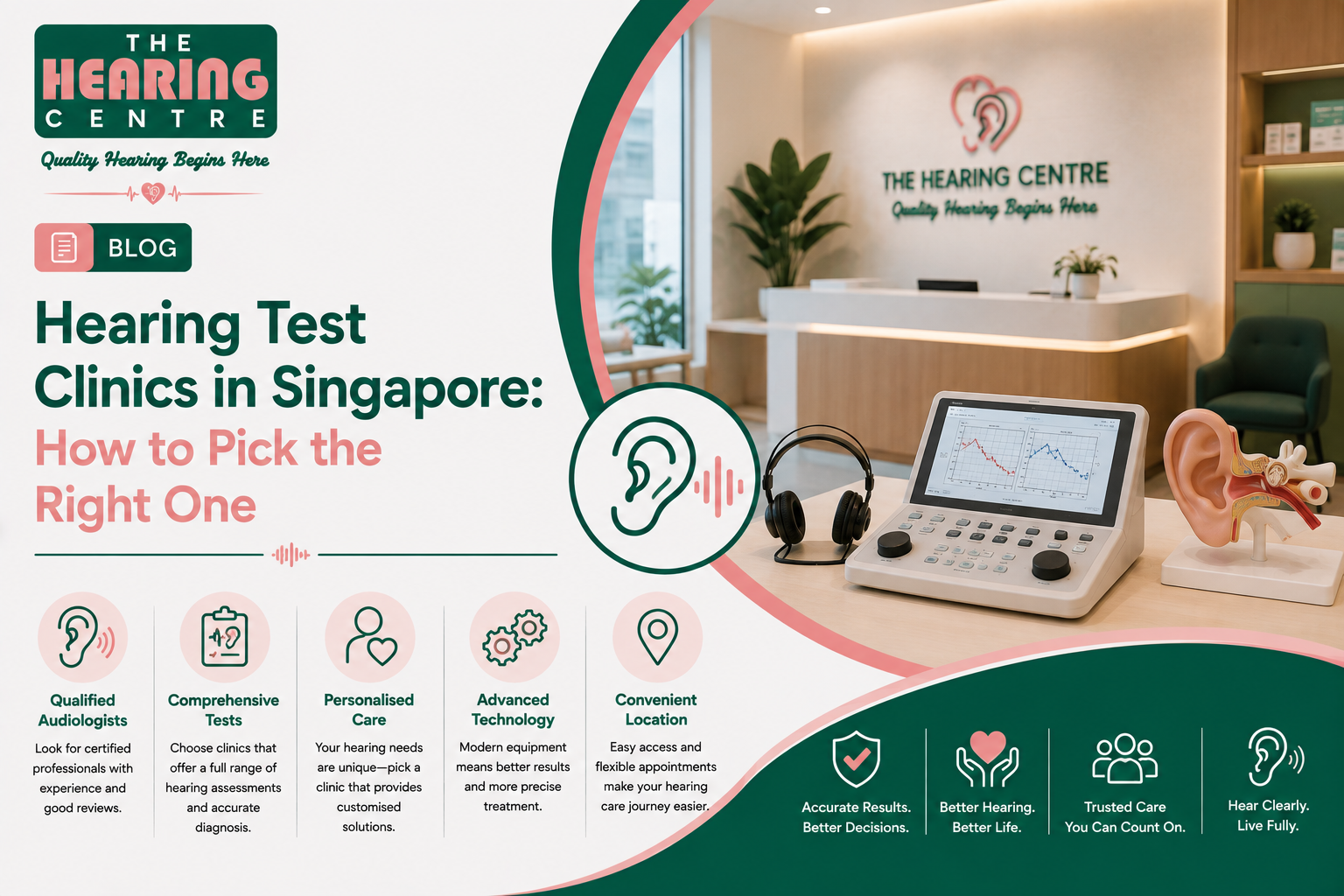
A hearing assessment can tell you fairly quickly whether hearing is behind the delay. Depending on your child’s age, your audiologist may use play audiometry, pure tone audiometry, or objective tests such as otoacoustic emissions (OAE) and Auditory Brainstem Response audiometry (ABR). That’s far better than guessing for months.
When You Should Book a Hearing Test
A few situations call for testing sooner rather than later:
- Your child failed their newborn hearing screening
- They’ve had several ear infections already
- Speech seems behind for their age
- They don’t follow spoken instructions well
- Hearing loss runs in the family
Testing doesn’t hurt. Most kids barely notice.
Types of Hearing Loss in Children
Type | What Causes It | How Long It Usually Lasts |
Conductive | Ear canal, eardrum, or middle ear issues | Often temporary |
Sensorineural | Damage to the inner ear or auditory nerve | Usually permanent |
Mixed | A combination of both | Depends on the cause |
Knowing which type your child has changes what treatment actually helps them.
How Hearing Tests Work for Children
The test is chosen to suit your child’s age and stage.
Newborns have a quick screening, often before they leave the hospital. Babies and young toddlers are usually tested with visual reinforcement audiometry, where a sound is paired with a visual reward, like a lit-up toy, to see whether they turn toward it. From about two and a half to three years old, most children can take part in play audiometry, where the test becomes a game. Older children can do a standard hearing test much like an adult’s.
For babies and young children who can’t yet respond reliably, tests like OAE and ABR measure how the ear and hearing pathway respond to sound without needing any response from the child. ABR is usually done while a baby sleeps naturally, and a few young children may need sedation to keep still. Your audiologist will tell you in advance if that applies.
None of these tests hurt. At The Hearing Centre, our audiologists adjust their approach to each child rather than putting everyone through the same routine.
What Treatment Looks Like
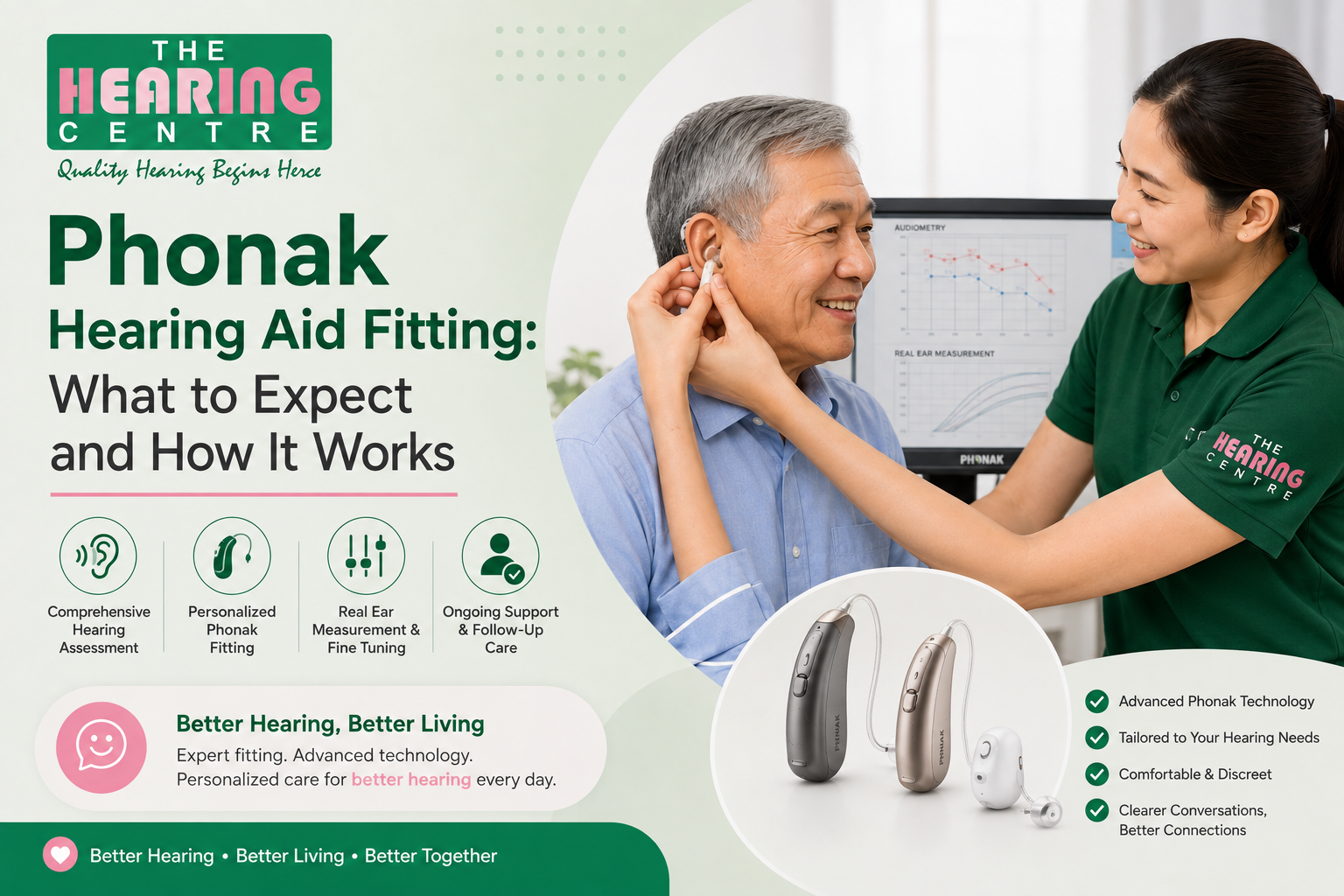
Treatment depends on the cause and how much hearing is affected. Hearing aids amplify sound, and come in kid-sized versions. Cochlear implants come in for more severe to profound cases when hearing aids provide limited benefit, Speech therapy builds vocabulary and clearer pronunciation for kids already behind. Medical treatment, antibiotics or a small procedure, deals with infections or fluid buildup. For some kids, extra support at school is what actually moves the needle. None of this is one-size-fits-all. What helps one child might do nothing for another. If hearing aids fit the situation, our page on hearing aids for children walks through fitting and everyday use.
What to Expect at Your Child’s First Hearing Visit
A lot of parents put off booking simply because they don’t know what happens at the appointment. It’s not much. Your audiologist asks about your child’s history: infections, milestones, whether hearing loss runs in the family. A quick look inside the ear checks for wax buildup or anything visible. Then testing gets picked based on age. Babies get screening tools. Toddlers get turned into a game. Older kids just do a standard test. Once it’s done, your audiologist explains the results in plain terms and tells you what comes next, if anything does. At The Hearing Centre, we keep the whole thing calm and unrushed. A relaxed kid just gives better results.
How Parents Can Help at Home
A few small habits make a real difference. Face your child when you speak so they can see your mouth and expression. Speak clearly, not louder. Cut background noise, TV off during a real conversation. If your child already wears a hearing aids Singapore device, keeping it on consistently matters more than most parents expect. Gaps in wear time slow everything down. A playgroup or support group for kids with hearing loss can help too, for your child and for you.
Can Hearing Loss in Children Be Prevented?
Not always, but the risk can be lowered in a few ways:
- Keep headphone volume and noisy toys in check
- Treat ear infections early instead of waiting them out
- Stay up to date with vaccinations like MMR
- Avoid medications known to affect hearing unless a doctor prescribes them
- Don’t skip regular checkups
Final Thoughts
The early signs of hearing loss in children are easy to write off as a phase, a shy streak, or just a loud house. Sometimes that’s all it is. But when the same signs keep showing up week after week, get it checked instead of hoping it fixes itself.
At The Hearing Centre, we see kids at every stage of this, from a parent’s first suspicion right through diagnosis and treatment. If something about your child’s hearing or speech doesn’t sit right, book a hearing test. Get an answer instead of a guess.
Frequently Asked Questions
Delayed speech and language,Unclear speech, not responding when called, watching the TV too loud, and asking “what?” often are some of the clearest ones.
No. But hearing loss is a common cause, so it’s worth ruling out with a test rather than assuming.
Right at birth, through newborn hearing screening. More detailed tests come later as they grow.
Some types caused by infections or fluid buildup can resolve on their own. Sensorineural hearing loss usually doesn’t, and needs ongoing support instead.
Yes. Pediatric hearing aids hold up to daily wear and are made to be comfortable for small ears. Spotting the early signs of hearing loss in children early just means treatment, including hearing aids, starts sooner.
If they go untreated for a long time, yes, they can. Treating infections early lowers that risk quite a bit.
At birth, again around ages two to three, and periodically through school years, or sooner if you notice any signs.
Book a hearing test with one of our audiologists instead of waiting to see if it improves on its own. It also helps to note what you’ve noticed, such as times your child missed a sound or was hard to understand, so you can share it at the appointment.
Young children have short attention spans, and they tire, fidget or lose interest quickly. If your child can’t complete every test in one sitting, your audiologist may spread the assessment over a few shorter visits. That’s common and doesn’t mean anything is wrong. It simply gives us the most reliable results.
The Hearing Centre offers hearing tests and ongoing support for children of all ages, from newborns to school-going kids.