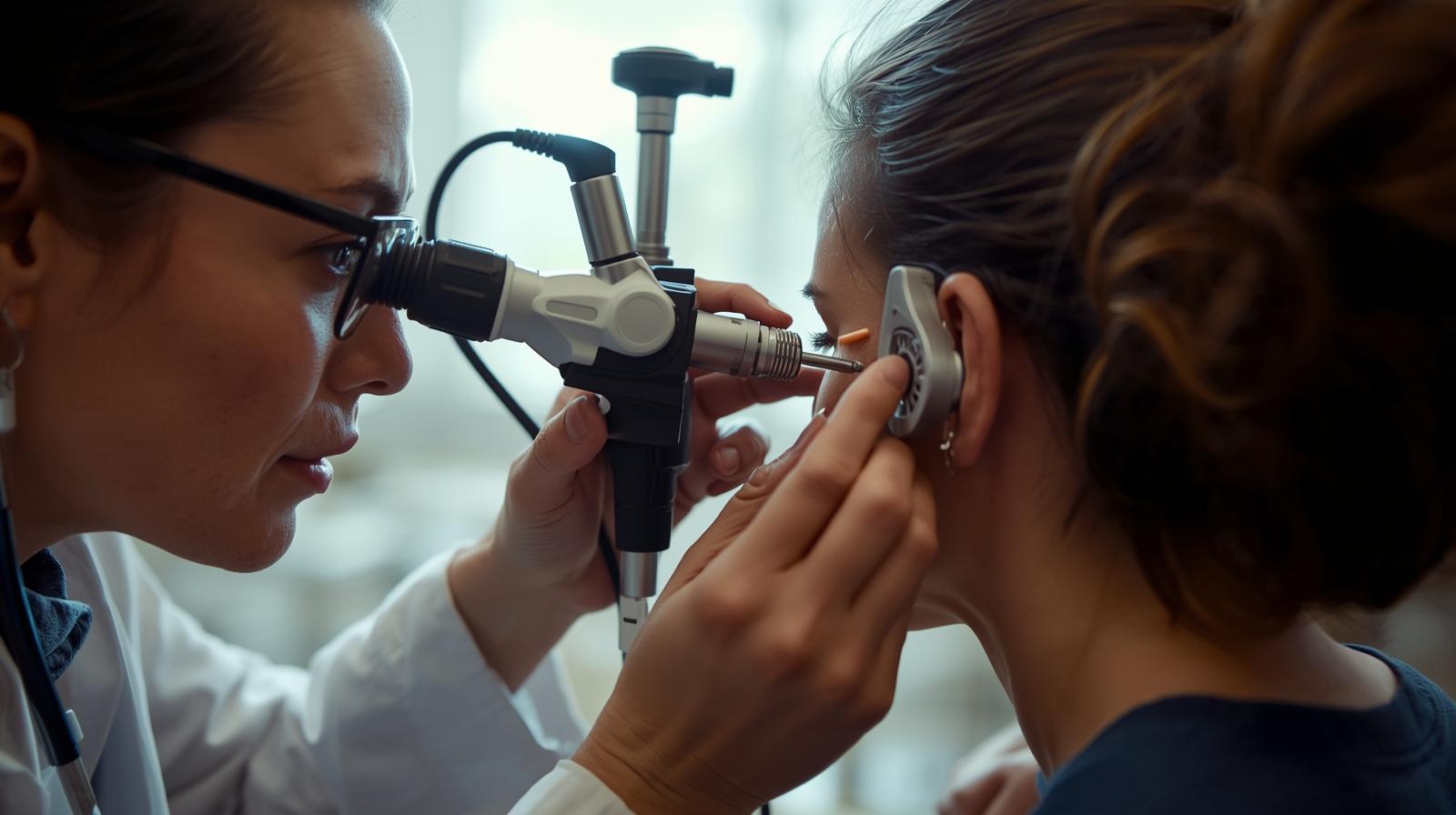
Hearing brings daily joys alive—kid giggles at breakfast, bird songs on morning walks, friend chats over coffee. When sounds turn soft or fuzzy, life feels a bit dimmer, like missing punchlines or turning up the TV too loud. Folks face this slow fade from age, loud music, or health shifts, but good news waits: easy steps improve hearing naturally without a big fuss. This guide shares real tricks from food tweaks like salmon bites to gentle jaw stretches, ear care habits, and smart tech guards.
Parents grab tips to keep family talks clear, music fans hold concert thrills sharp, and everyone dodges “pardon?” habits. Steady small changes stack wins—dry ears full post-shower, cap phone volumes low, rest nights bare. No fancy gear needed; just habits that turn muffled days crisp again, letting life’s sounds ring full and bright for years of happy listening ahead. (152 words)
Why Hearing Matters Every Day
Sounds connect people closely. Sharp hearing grabs full talks at dinners, spots car horns safely, and pulls tunes deep into souls. Slow fades sneak up from age, noise, or health shifts, turning “pardon?” into habit. Good news—many steps boost what ears catch today and guard tomorrow, including early support with hearing aids in singapore for better clarity and daily confidence.
How Ears Work Simply
Outer ears catch waves like funnels, drum vibes tight, tiny bones shake quick, fluid hairs spark brain signals. Wax keeps clean, tubes drain air smoothly. Blocks or wears dull the chain—clears bring sounds back bright.
Everyday Habits to Improve Hearing
Small loops build big gains. Dry ears post-shower, skip loud blasts, rest nights bare. Chew gum pops tubes on flights, yawn wide clears pressure fast.
Morning Ear Boosts
Start days with warm water sips thins wax flow, and gentle outer wipes keep rims fresh. Breakfast nuts zinc spark cell health quick—folks hear crisper by lunch.
Night Wind-Downs
Prop heads pillow high drains gunk overnight peace. No buds bed long—ears recharge full under quiet sheets.
Foods That Help Hearing Sharp
Ears love certain eats packed with ear friends. Omega fish like salmon grill twice weekly feeds hair tough. Nuts, almonds, a handful, zinc repairs daily wear.
Top Ear Foods List
- Salmon or tuna cans easy omega boost to cells.
- Almonds, walnuts, and trail mix contain zinc mend tiny parts.
- Oranges, berries, and vitamin C fights swell guards.
- Spinach, kale, greens, magnesium, chills, tube clogs.
- Eggs yogurt protein build strong nerve paths.
Dark green leaf steamed side dishes, berries yogurt swirl snacks. Water steady eight glasses, flows smoothly, no blocks. Signia hearing aids in Singapore pair well with these for enhanced clarity.
Exercises to Improve Hearing Naturally
Gentle moves wake the ears. Jaw stretches wide, yawn, slow circles, loosen tight spots. Neck tilts, side to side, drop shoulders, relaxed tubes.
Quick Daily Drills
- Jaw Open Wide: Hold five seconds, repeat ten—pops pressure like gum chews.
- Neck Rolls Slow: Ear, shoulder drop gently, switch sides, smooth flows air.
- Pinna Pulls Soft: Outer ear lobes tug light circles, boosting blood circulation.
- Breath Hums Deep: Low om tones vibrate canals, clear fuzz morning.
- Toy Ears Play: Pinch lobes, rub warm for five minutes wakes tips.
Kids join fun mirror games, grown-ups take desk breaks refresh sharp.
Ear Cleaning Done Right
Wax builds a natural shield, but clogs and muffles the bad. No Q-tips poke deep, push worse. Warm water flush bulb, gentle outer safe. For safe methods, see ear wax removal tips.
Safe Clean Steps
- Tilt head sink side, squeeze bulb plain water soft.
- Pat towel dry fully, no rubs, trap steam.
- Oil drops, olive warm two tilt out weekly softens.
- Pros: flush yearly deep clean, no home risk.
Dogs shake wet, same—folks dry heads post-shower traps dodge.
Tech Tools to Improve Hearing
Gadgets step up smart now. Apps track noise buzz limits safe. Noise cancel buds cut crank needs low play clear. If infections cause muffles, review ear infection symptoms.
Helpful Gadgets List
- Apps Decibel Watch: Phone mic warns spikes, walks, and real-time guard.
- Bluetooth Caps: Lock 60% volume auto no sneaky hikes.
- Amps Pocket: Clip mics boost talks, dinners, and small.
- TV Streamers: Neck bands pipe sound direct clear rooms.
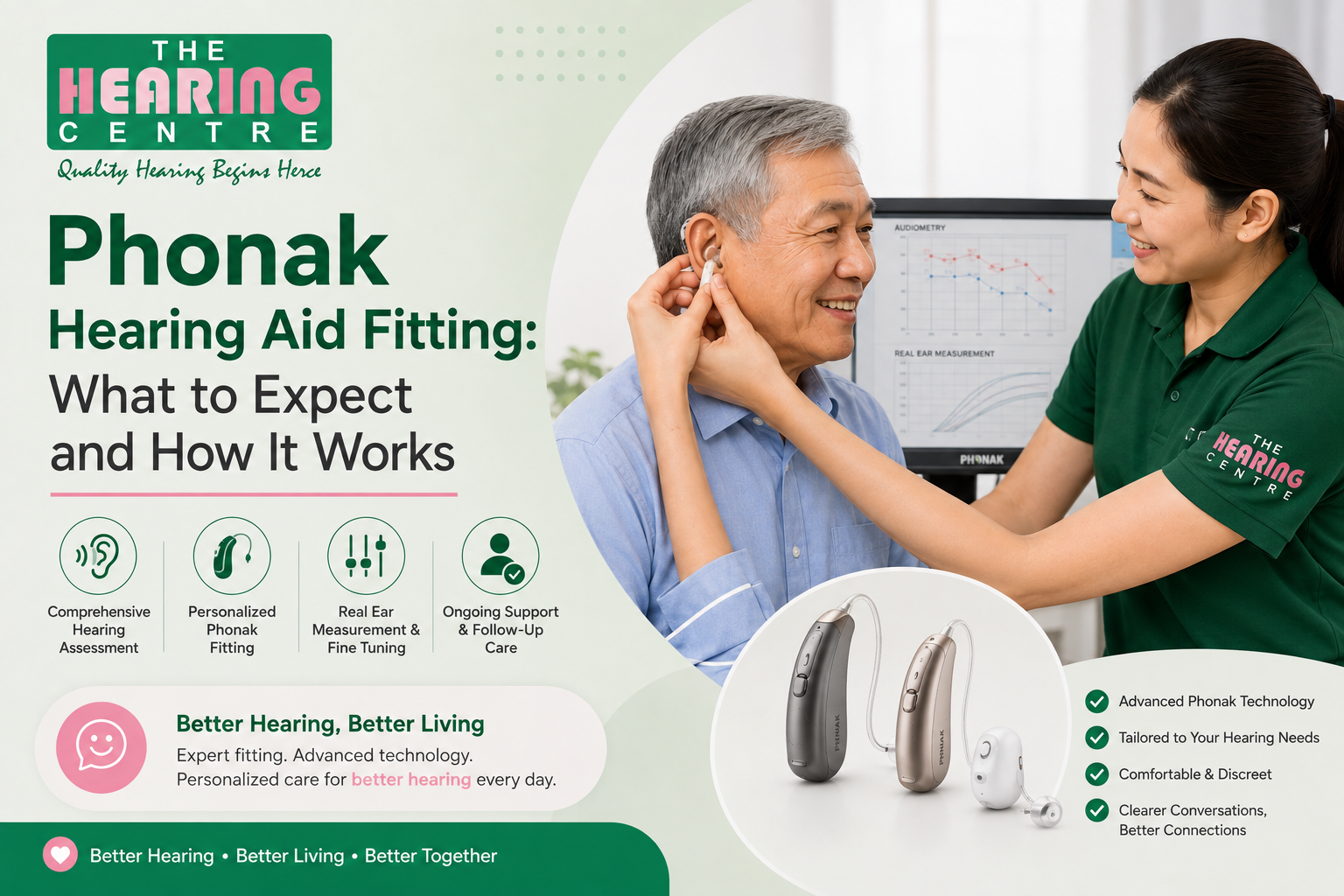
Hearing aids slim fit ears now, and soft block blasts are even fun. Explore Phonak hearing aids in Singapore.
How to Improve Hearing: Simple Steps for Sharper Sounds
Doctors use simple tests to check hearing levels. Beep tests map out any dips in sound ranges clearly. Tubes help kids with fluid clogs by draining them fast, so they can play the next day. Drops dry out the swimmer’s ear wetness quickly.
Common Fixes
Tubes Tiny
Outpatient slits drain fluid fast and gently, so kids bounce back quickly to playground chases and laughs by afternoon—parents watch them run free the same day, no long hospital waits or big scars.
Drops Vinegar
Vinegar mixed with alcohol zaps germs right in the canal for that clean shine folks feel crisp after a few days, turning soggy ears dry and happy without much fuss at all.
Allergy Tabs
These tabs dry up swollen tubes smooth during allergy seasons heavy with pollen, clearing those repeat drips quickly so spring walks stay sniffle-free, and ears ring clear again.
Patches Drum
Glue seals tiny tears shut right in the office chair, quick and painless, strong hold lets kids splash pools soon after—simple fix turns worry into playtime, cheers fast.
Yearly checkups spot any slips early with quick beeps and peeks, slowing down loss big time, so families keep chats sharp and music joys loud for years of full sounds ahead.
Lifestyle Changes Boost Ears
Quitting smoking reduces tube swelling and cuts the risk in half. Nature walks heal stress, and quiet recharges the ears. Sleep seven hours lets the ears reset fully at night. Starkey hearing aids support these changes seamlessly.
- Big Wins Daily: No secondhand puffs at home help kids dodge swelling fast. Hydration thins gunk for easy flow. Quiet dinners let chats bloom clearly without TV roar.
- Improve Hearing for Age Fade: Older ears drop highs naturally slowly. Foods with omega give a crank, and checks twice yearly track changes. Lip-reading practice with mirrors boosts word catch.
- Golden Year Tips: Big print on phones and texts keeps things clear. Neck amps make dinner grandkid stories loud. Sit in front in groups to grab talks easily.
Exercises for Tinnitus Ease
Buzz rings tyre folks out. White noise fans calm nights. Jaw hinge opens slowly to vibrate and quiet the hum.
Calm Ring Moves
- Hums low with deep breath, shakes fuzz loose.
- Shoulder shrugs drop the neck for air flow.
- White ocean waves from apps help bed drift to peace.
- Sound therapy mixes train brain to ignore steady rings.
Track Hearing Home Tests
Whisper tests with friends turned back check the word catch rate. Phone apps beep curves to map dips weekly.
Easy Checks
- Online free tones spot high and low fades.
- Talk in loud rooms, count missed words.
- Note TV volume creeps steadily.
- Share trends with docs for plans ahead sharply.
Sample Day Hearing Boost Plan
- 6 AM: Start your morning with a glass of water to gently wake up your body. For breakfast, have a small handful of nuts. They contain zinc, which supports cell repair and overall ear health. Spend five minutes doing slow jaw stretches in front of the mirror. Gentle circles can help relax the muscles around your ears and make you feel fresh, almost like a morning boost for clearer hearing.
- 9 AM: If you go for a walk, use a noise-check app to monitor sound levels and protect your ears from loud environments. For lunch, grilled salmon is a great choice because it is rich in omega-3, which supports healthy cells. Add a side of berries for vitamin C, which helps reduce swelling and keeps conversations clear and comfortable.
- 3 PM: Take a short break at your desk. Roll your neck slowly and drop your shoulders to release tension. Try gentle humming and deep breathing to relax and support smooth airflow in the ear tubes. You can also lightly massage or tug the outer ears for a few seconds to improve blood flow and refresh your focus.
- 7 PM: During dinner, turn off the television and reduce background noise. A quiet table makes conversations easier to follow and more enjoyable. Listening without strain helps you connect better with family and friends and keeps your ears relaxed.
- 10 PM: Before bed, slightly raise your head with an extra pillow to support proper drainage and comfort. Soft white noise, like ocean sounds, can create a calm sleep environment. Lying on your side may also help you feel more relaxed. A good night’s sleep allows your body to recharge so you can wake up refreshed and ready for clear conversations the next day.
Conclusion
Hearing improves steadily with foods like salmon and nuts, gentle jaw and neck exercises, tech caps and apps for guard, plus doc checks on early flags. Simple loops like full ear dries, 60/60 phone rules, and no smoke stack big wins without huge shifts. Families grab clear talks, music joys, and safe streets for long, happy years. Start one habit now, and sounds bloom brighter tomorrow.
Frequently Asked Questions:
Yes, hearing exercises strengthen the brain’s ability to process sound, especially in noisy environments.
Sure—jaw opens wide, pops tubes, pressure gone quick. Neck tilts, drop shoulders, loosen air flow, smooth. Pinna pulls warm blood wakes tips catch highs crisp mornings.
Weekly whisper tests friends words back catch rate. Phone apps beep curves, dips map easily. TV volume creeps, note trends, share docs, plan sharp always.
Young folks grab pocket amps, clip boost talks dinners small and clear. Slim fits block blasts events fun full. Bluetooth neck pipe TV direct to rooms, no strain.
Quitting smoking lessens tube swells fast weeks. Kids dodge double risk home puffs gone. Blood flows smoothly, repairs stack, hearing sharp family chats bloom true.
Decibel watch phones warn spikes walks real guard. 60/60 track buzz limits time volume lock tight. White noise masks tinnitus hums night drift calm peace.
Yes, getting enough sleep can support your overall ear health. Around seven to eight hours of deep sleep helps the body repair cells and reduce stress. Good rest can also lower ringing sounds and help you wake up feeling refreshed. While sleep does not cure hearing loss, it supports better focus and clearer sound processing.
Kids can protect and support their hearing by playing safely. Keeping screen and game volumes low helps prevent damage. Simple habits like chewing gum during flights can reduce ear pressure. Washing hands often can lower the risk of colds that may block the ears. Regular school hearing checks can also help find problems early.
Drinking enough water helps the body stay balanced and healthy. Proper hydration may help keep earwax soft and easier to clear naturally. It can also reduce swelling in the ear passages. While water does not directly improve hearing, staying hydrated supports overall ear function and comfort.
Gentle neck stretches can improve blood flow and reduce muscle tension around the ears and jaw. Relaxed muscles may help ease pressure and improve comfort. Taking short breaks from sitting and stretching can also help you feel more alert during conversations. However, stretches do not treat hearing loss directly.