TLDR: Pain behind left ear usually traces back to muscle tension, a TMJ flare-up, a swollen lymph node, an ear infection, or sinus pressure — and sometimes, oddly enough, a hearing aid that isn’t sitting right. Most of it eases up within a few days with rest and some heat. Worth seeing someone if it’s worsening, won’t quit after a week, or comes bundled with fever, dizziness, hearing changes, or swelling.
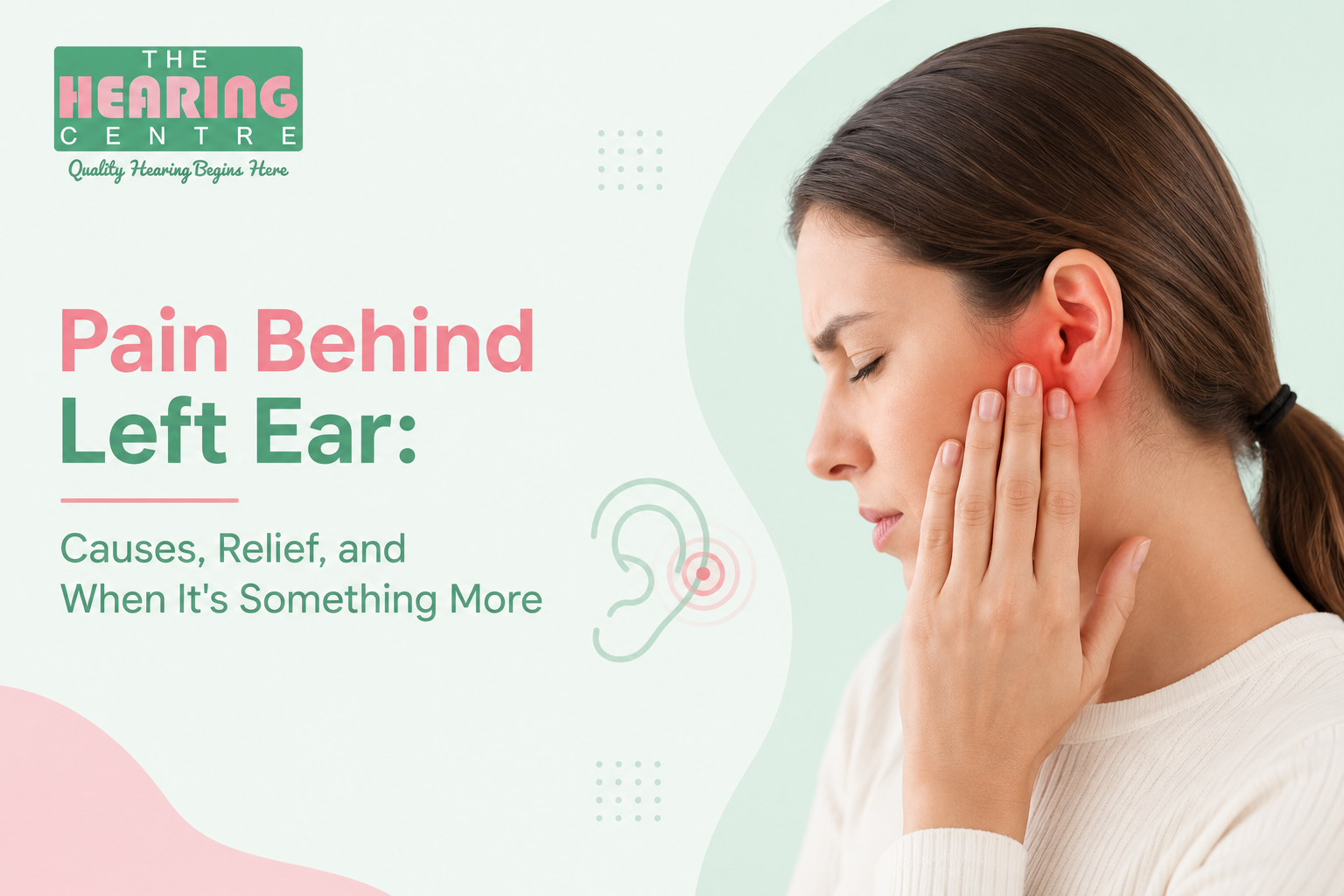
Ear pain isn’t usually picky about sides. So when it settles specifically behind your left ear, it’s fair to wonder whether “left” is actually telling you something. Sometimes, yeah, it is. Other times it’s just where the tension happened to land that particular day.
There’s a real range of things that cause pain behind left ear — your jaw, neck muscles, a swollen lymph node, an infection, or, for plenty of hearing aid wearers here in Singapore, a device that’s not quite fitting right in that ear. The Hearing Centre fields this exact question often enough that it’s worth breaking down properly.
What the Pain Behind Left Ear Usually Feels Like
A handful of descriptions tend to come up over and over:
- A dull ache that just lingers most of the day
- Sharp jabs, here one second, gone the next, no warning
- A throb that gets worse the more you move your head
- Tenderness that flares the moment you press it or start chewing
The type of pain tells you almost as much as the location does. Sharp and brief leans toward nerves or muscle. Dull and constant leans more toward infection, swelling, or pressure building up somewhere.
Why Does It Show Up Specifically on the Left Side?
Honestly, most causes of Ear Pain don’t actually care which side they show up on — there’s nothing biologically special about your left ear specifically. What’s usually special is whatever you’ve been doing with it. Worth thinking about:
- Sleeping on that side most nights
- Holding your phone up to your left ear during long calls
- Chewing more on one side without realising it
- A hearing aid in your left ear that’s not fitting the way it should
- A swollen lymph node or dental issue that just happens to be on that side
Spot which of these applies to you, and the cause usually gets a lot easier to narrow down.
Common Causes of Pain Behind Left Ear
Tension in the Neck Muscle (Sternocleidomastoid)
This long muscle runs down the side of your neck, right under the ear, and does a lot of the work when you turn your head. Bad posture, an awkward sleeping angle, favouring one side all day — any of these can strain it, and tension here is genuinely one of the more common, most overlooked reasons pain settles right behind the ear.
TMJ Disorder
The jaw joint sits just in front of the ear canal. Clench your teeth, grind at night, or chew mostly on one side, and that joint can flare up, sending pain backward around the ear — usually worse with yawning or after a long conversation.
Ear Infections
Infections in the outer or middle ear sometimes show up as pain behind the ear rather than inside it, often with muffled hearing, a feeling of fullness, or some discharge thrown in. If those symptoms line up, a hearing test or tympanometry will tell you whether the middle ear’s actually involved.
Occipital Neuralgia
The occipital nerves run from the base of the skull up into the scalp. Irritate them — usually via tight neck muscles — and you get sudden, stabbing, almost electric pain, nearly always one-sided. Something as small as brushing your hair or turning your head fast can set it off.
Swollen Lymph Nodes
Small lymph nodes sit tucked just behind and below the ear, and when your body’s fighting something nearby, even a minor cold or a bit of scalp irritation, they swell up and get tender to the touch.
Mastoiditis
Less common, still worth knowing about. The mastoid bone behind your ear connects straight to the middle ear, so an infection there can spread — bringing swelling, warmth, and pain that tends to get worse rather than quietly fade.
Dental Issues
A cavity, an impacted wisdom tooth, grinding your teeth at night on that side — all of it can referred pain in the ear, since the nerves running through the jaw and ear region overlap more than you’d think.
Salivary Gland Infection or Blockage
The parotid gland sits near the jaw and ear, and if it gets infected or blocked by a small stone, you’ll feel swelling and pain in that exact spot — often worse around meals, when saliva production kicks up.
Sinus Pressure or a Recent Cold
Congestion on one side can irritate nerves and tissue that share a connection with the ear, and it usually comes wrapped in that familiar blocked, muffled feeling. If a cold leaves your hearing temporarily off alongside the pain, our guide on dealing with temporary hearing loss from a cold covers what’s normal here and what isn’t.
Hearing Aid Fit Issues
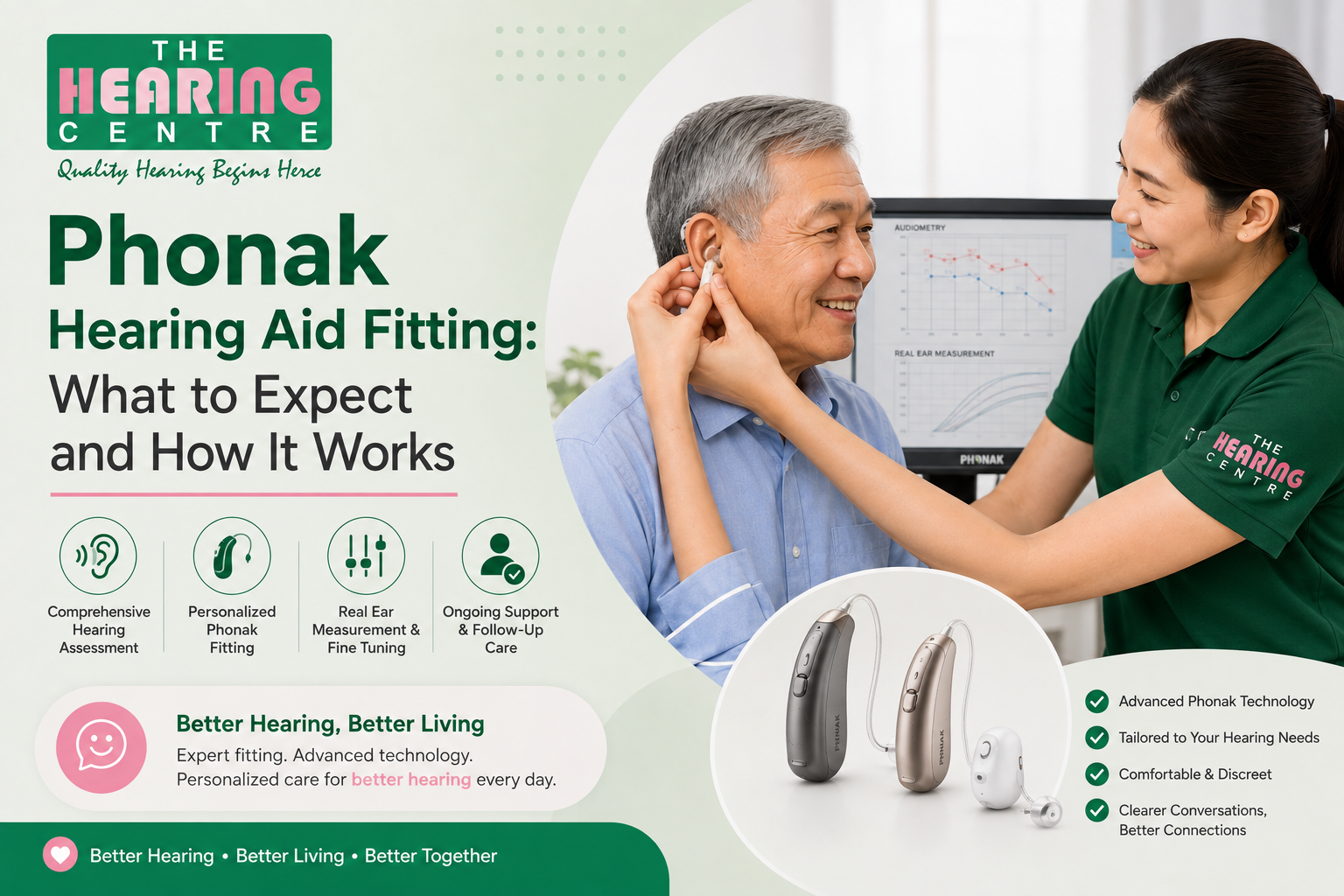
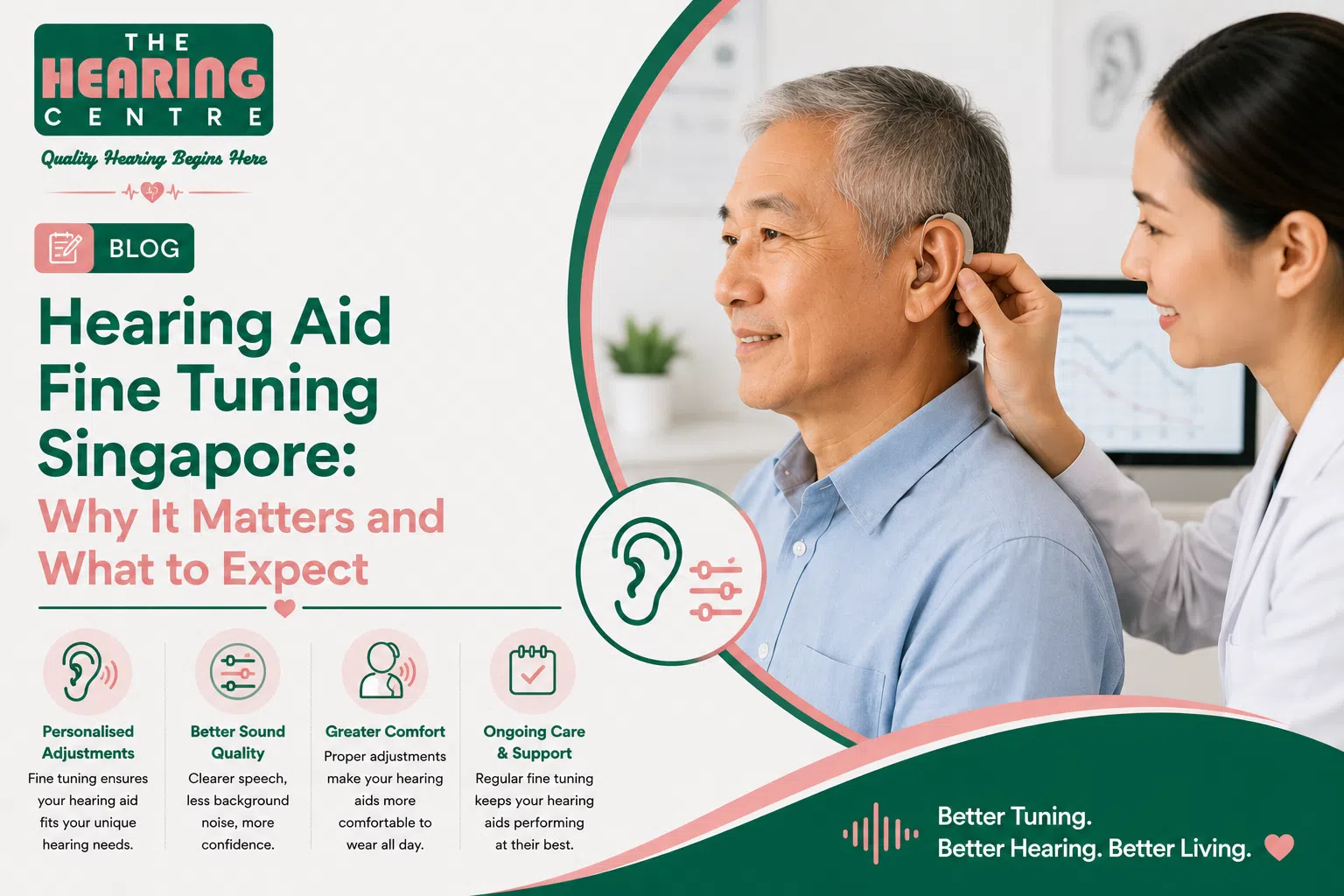
Wear a hearing aid in your left ear? A poor fitting device is a genuinely common cause people tend to overlook. A loose tube can rub against the skin behind the ear with every movement — sound familiar? Our piece on a hearing aid tube that keeps falling out covers the usual fixes. With in-the-canal hearing aids, even a shell that’s slightly off can press on sensitive tissue deep in the canal, and the pain that follows tends to flare on and off through the day.
A Brief Note on Chest Pain and the Left Side
Rarely — and this is genuinely rare — pain radiating toward the jaw and ear has been linked to heart-related pain, particularly alongside chest tightness, shortness of breath, or pain running down the arm. It can occur on either side, though the left is more commonly reported. This isn’t something to self-diagnose off a blog post. If that exact combination shows up, treat it as urgent and get emergency care instead of waiting to see what happens
Other Symptoms That Often Tag Along
Pain Behind Left Ear rarely shows up completely on its own. Depending on what’s behind it, you might also notice:
- A bit of dizziness or unsteadiness
- Ringing or a low buzz
- Hearing that sounds muffled or distant
- A headache settling near the back of the skull
- Tenderness right where you press
None of these alone is a reason to panic. A few of them showing up together, though, is a better reason to get checked.
Is It Serious? When the Pain Means More
Mostly, no. A brief or mild ache is usually muscle tension, a minor nerve flare, or a hearing aid that just needs a small tweak. A handful of signs deserve more attention, though:
- Pain that’s steadily worsening rather than staying flat
- Hearing loss you can actually notice
- Real dizziness or vertigo, not just a passing wobble
- Redness, warmth, or visible swelling over the bone behind the ear
- Fever
- Pain that won’t ease up at all, no matter what you try at home
Tick any of those boxes, and waiting it out stops being the right call.
How Pain Behind Left Ear Gets Diagnosed
It usually starts simply — a look at the ear, jaw, neck, and posture, plus a few questions about when it started and what sets it off. If ear involvement is likely, a hearing test checks reveal whether sound processing has been affected, while tympanometry assesses the eardrum and middle ear function. For the complex cases, ABR/ASSR testing helps narrow things down — ruling out a cochlear or nerve cause and pointing toward a jaw or musculoskeletal one instead. Ear measurements come in handy especially for hearing aid wearers, confirming whether the canal shape and the device fit are actually lining up the way they should. Where hearing loss turns out to be part of the picture, looking into proper hearing loss treatment in Singapore sooner rather than later tends to make the whole recovery smoother.
What You Can Try at Home
For mild, occasional pain, a few simple things genuinely help:
- Warm compress. Ten to fifteen minutes against the area — eases both muscle tension and mild lymph node swelling.
- Stretch your neck. Slow, gentle movements, especially if you’ve been favouring one side without noticing.
- Switch up your sleeping position for a few nights if you always sleep on that side.
- Give your phone a break on that ear — speaker or earphones for a while.
- Check your hearing aid fit. Take it out for a stretch and see if the pain eases. That alone tells you something.
If symptoms persist beyond a few days without improvement, it’s time to move beyond self-management and seek a professional assessment at The Hearing Centre.
When to See a Doctor or Audiologist
Worth booking an appointment if the pain:
- Has stuck around for more than a week
- Keeps showing up more often, or hitting harder each time
- Comes with hearing changes, dizziness, fever, or swelling
- Tracks closely with wearing your hearing aid and isn’t improving after adjustments
An ENT or audiologist can usually work out fairly quickly whether you’re dealing with muscle tension, a TMJ issue, an infection, or a fitting problem — and once that’s clear, the right next step (stretching, a mouthguard, medication, or a device refit) tends to follow pretty naturally.
How The Hearing Centre Can Help
If pain behind the left ear is tangled up with hearing changes, ringing, or a hearing aid that’s never quite felt right, The Hearing Centre is set up to figure out which one it actually is. The Hearing Centre runs hearing tests, tympanometry, and ear measurements to confirm whether the ear itself is involved, and for hearing aid wearers, The Hearing Centre’s audiologists can check whether a tube, dome, or shell is the real source of the discomfort — and adjust it properly instead of leaving you to push through it.
As one of the more established names in Hearing aids Singapore has to offer, The Hearing Centre’s team sees this overlap between ear pain and hearing aid fit often enough to spot the difference fast. Muscular, nerve-related, an infection, device-related — whatever it turns out to be, The Hearing Centre can point you toward the right next step instead of leaving you to guess on your own.
The Bottom Line
Pain behind the left ear usually comes down to something fairly ordinary. Notice what triggers it, keep track of anything else tagging along, and don’t shrug off pain that keeps escalating or arrives with hearing, balance, or chest symptoms. A quick check-in with The Hearing Centre can save weeks of wondering — and for hearing aid wearers, sometimes the fix really is just a same-day adjustment.
Frequently Asked Questions
Most often it’s muscle tension in the neck, a TMJ flare-up, a swollen lymph node, an ear infection, sinus pressure, or an ill-fitting hearing aid. Less commonly, occipital neuralgia or mastoiditis.
Not really. Most causes can show up on either side. The left side often just reflects whatever one-sided habit you’ve got — sleeping position, phone use, chewing pattern.
Rarely, and almost always alongside chest pain, shortness of breath, or pain running down the left arm. That combination means emergency care, not more research.
Yes. Lymph nodes near the ear and jaw tend to swell and get tender when your body’s fighting an infection nearby, even something minor.
Yes — more often than most people assume. A loose tube, a poorly fitted dome, or an in-the-canal shell that’s not sitting right can all cause pain that flares on and off through the day. Usually an adjustment sorts it out.
Yes. Tension in the neck muscles, the sternocleidomastoid especially, is one of the more common and overlooked reasons pain ends up right behind the ear.
Yes — clench or chew mostly on the left, and the joint on that side can get inflamed and refer pain backward around the ear.
It can, particularly if the congestion’s worse on that side. Often comes with temporary muffled hearing too.
Once it’s lasted more than a week, kept getting worse, or shown up with hearing changes, dizziness, fever, or swelling — or if it’s tied to your hearing aid and isn’t improving after you’ve adjusted it.
Depends entirely on the cause — stretching and posture fixes for muscle tension, a mouthguard for TMJ, medication for infections, or a simple refit if you wear a hearing aid. A proper evaluation at The Hearing Centre is still the fastest route to the right answer.