Ear pain may be in anyone, at any timeof the year, a swim, a cold, or just an inexplicable ache in the ear lobes which refuses to go away. When you have sharp stabs, dull throbs or that muffled feeling that is so irritating at the moment, here is the reprieve remedy: lean your head back, or pull up your earlobe, or wrap a little warm cloth that will set you right in a minute. The majority of the cases are resolved at home, although knowing when to call a doctor is a headache in the future.
Headache in the ears in both children and adults is a pain that disrupts sleep, concentration, and enjoyment. It may be as though it is a clogged ear, itching, or compression. In this guide, we will break down leading reasons such as infections or a build-up of wax, simple home remedies that do work, the doctor’s warning signs and smart prevention so you will be pain-free.
What is Ear Pain?
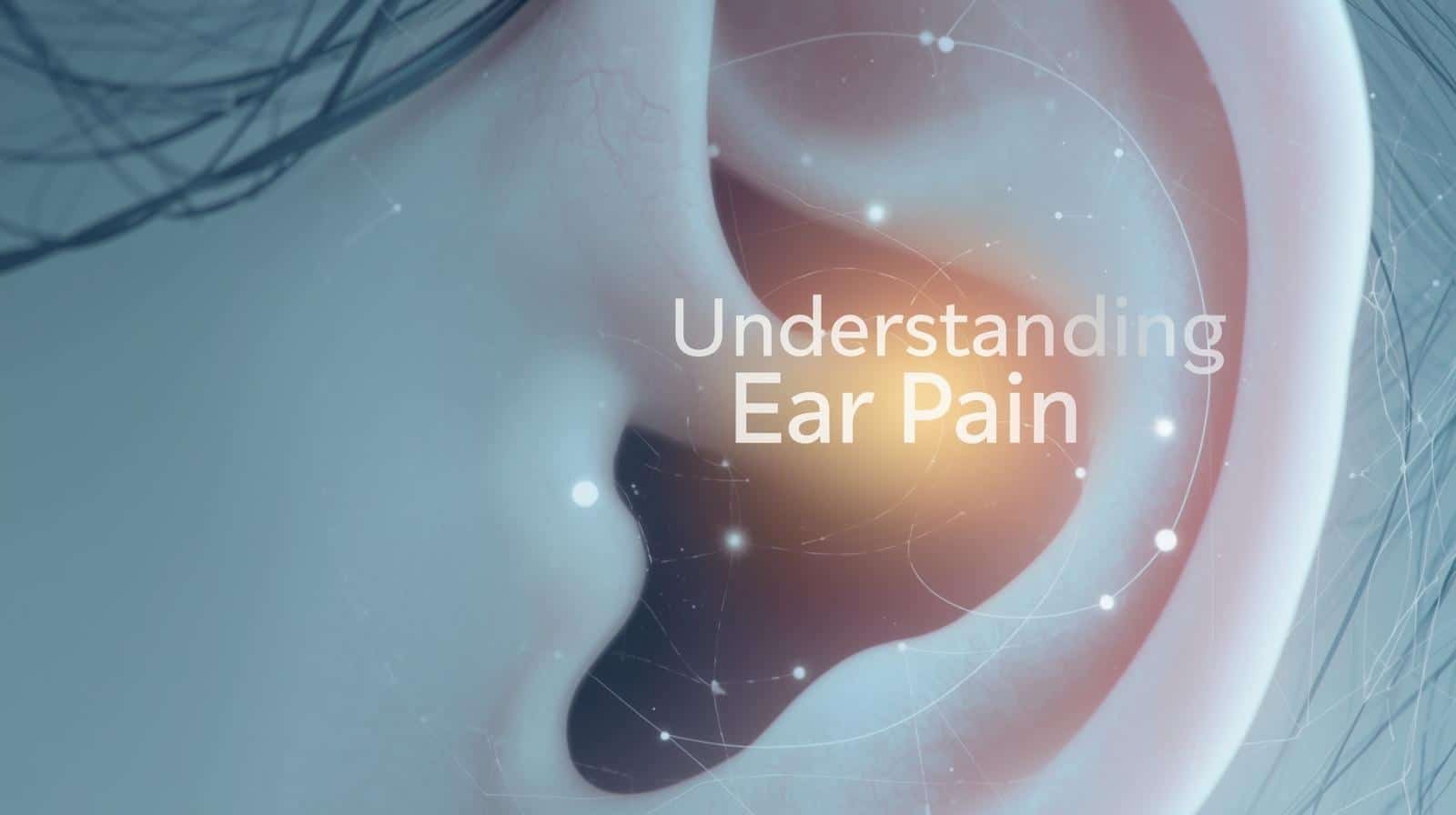
Ear pain occurs when something irritates the ear or the surrounding region. The ear is divided into three sections: outer, middle, and inner. The pain may originate in any section or even radiate from the throat, jaw, or teeth. It may occur suddenly or develop gradually. Children face it more often due to shorter ear tubes, but adults get it too from colds, swimming, or loud noise, which may signal the need for hearing aids.
Ear pain occurs in one in ten children per year. Adults experience it less frequently but still experience it as a result of flights or allergies.
Common Causes of Ear Pain
Many things lead to ear pain. Here are the top ones explained simply.
Ear Infections
Ear infections top the list for ear pain. They happen when germs enter the ear.
- Outer Ear Infection (Swimmer’s Ear): Water stays in the ear canal after swimming. Germs grow and cause pain, itch, or redness. You feel pain when you tug the earlobe.
- Middle Ear Infection (Otitis Media): A cold blocks the tube linking the throat to the ear. Fluid builds up, and germs make it worse. Pain starts fast, often at night. Kids cry or tug their ears.
Both types cause fever, fluid from the ear, or hearing loss. They are clear with rest or medicine.
Water Trapped in the Ear
Swimming, showering, or baths can trap water. The ear canal curves, so water tends to stick. It feels full or muffled. Surface tension or wax holds it in. Shake your head or use gravity to fix it. Skip swabs—they push it deeper.
Buildup of Earwax
Earwax protects the ear, but it can clump. Softening drops or professional rinsing help; never dig it out—specialists at The Hearing Centre handle this safely.
Colds or Allergies
A stuffy nose from a cold or pollen clogs the ear tubes. Pressure builds, causing an ache. Chew gum or yawn to pop your ears. Decongestants ease it.
Sinus Problems
Sinus pain spreads to the ears. Pressure in the face makes the ears hurt. Blow your nose gently and drink fluids.
Teeth or Jaw Issues
Tooth pain or grinding teeth sends pain to the ear. A bad tooth or TMJ (jaw joint pain) fools you into thinking it’s the ear. Check your mouth if ear pain lingers.
Symptoms That Come with Ear Pain
Ear pain rarely shows up alone—it often brings friends that make things worse. Watch for these common signs that pop up alongside the ache:
- Muffled hearing or that annoying ringing in your ears, like everything sounds far away.
- Fever over 100.4°F, which might leave you feeling wiped out.
- Fluid or blood draining from the ear—don’t ignore this one.
- Dizziness or trouble keeping your balance, making you feel off-kilter.
- Swelling or red, warm skin around the ear.
- Headache or a scratchy sore throat tagging along.
- Kids tugging at their ears nonstop or acting extra fussy.
Jot these down when they happen. It’ll help your doctor figure things out faster and get you feeling better sooner.
Home Remedies for Mild Ear Pain
For light ear pain that sneaks up after a swim or a cold, try these easy, safe tricks at home first. They’ve helped tons of folks and me over the years:
- Use Warm Cloth: Soak a towel in warm water, wring it out and place it against the ear for 10 minutes. Heat will help to loosen everything up and relieve the pressure in your ear almost instantly.
- Take Pain Reliever: Use ibuprofen or acetaminophen according to the directions on the label. This will eliminate the pain with very little effort on your part.
- Olive Oil: Warm 2 drops of olive oil (always test on your wrist) so that it is not too warm, turn your head to the side and drizzle it into the ear. The warm olive oil will soften the stuck wax in your ear and provide comfort.
- Chewing or Yawning: Chew gum or pretend like you are yawning as much as possible in order to “pop” (open) your eustachian tubes and relieve some of the pressure in your ears.
- Hydrate Yourself: Drink plenty of fluids (water, tea) to keep your mucus as thin as possible, so it will drain out of your ears easily.
- Elevate Your Head: Use a second pillow while you are sleeping; gravity is assisting you with relieving the problem when you are sleeping.
Rest dry ears for a day; if no improvement, see a pro. For hearing concerns from pain or wax, visit The Hearing Centre for expert checks.
When to See a Doctor
Not all ear pain needs a doctor right away. But go if:
- Pain lasts over two days.
- High fever or stiff neck.
- Fluid leaks from the ear.
- Swelling spreads to the face.
- Pain after head injury.
- Hearing loss starts.
- You or your child seems very sick.
- Newborns under three months have a fever.
If repeated pain or hearing changes signal more, explore options like Signia hearing aids, Phonak hearing aids, or Starkey hearing aids at The Hearing Centre.
Seek urgent help for sudden hearing loss or dizziness. These signal inner ear issues.
How Doctors Treat Ear Pain
When ear pain hits hard, a doctor knows just what to do. They start by peeking inside with a little light tool called an otoscope—it shines right into your ear canal so they can see swelling, fluid, or wax up close. Sometimes they do a quick hearing test or swab the ear for germs to pinpoint the problem. No guesswork, just facts.
Here’s how they fix most cases:
- Antibiotics: In case the cause is the germs, such as in a bacterial infection, they prescribe liquid or pills. It is essential to take all the doses even when you are feeling better- skipping makes it come back bigger.
- Pain Drops: These work almost instantly and reduce that stinging pain as other medicines work their magic. Several drops, and rest is soon achieved.
- Ear Tubes: In children who develop frequent infections, small tubes are inserted in the eardrum to drain the fluid and empty the air. It is an easy way out that prevents the cycle.
- Wax Removal: They spray warm water at it mildly or use a cotton ball to scoop it out painlessly- no pushing deeper like the swabs at home.
- Referral: In case it is caused by jaw clenching, problems with teeth, or nerve problems, they refer you to a more knowledgeable specialist in those areas.
Most folks feel way better in just a few days. Trust the pros—they’ve seen it all and get you back to normal fast.
Conclusion
Ear pain upsets life, but often fixes fast. Know common causes like infections or wax to act smart. Use home tips for mild cases. See a doctor for bad signs to avoid problems. Stay dry, clean, and alert. Healthy ears mean clear hearing and less worry.
Frequently Asked Questions
Ear infections from colds or trapped water after swimming top the list. A simple bug can clog things up fast, leaving you aching. Germs love that warm, wet spot.
Mild aches from pressure or wax often fade in a few hours with rest. Infections take a few days to clear, especially with the right care, like drops or meds. Hang in there—it passes.
Sure, yawn big or chew gum to open those tubes naturally. Just skip forcing it with fingers—that makes it worse. Works like a charm every time.
Nope, not even close. Built-up wax, toothaches, jaw tension, or even plane rides can trick you. Check the full picture before panicking.
If pus or blood leaks out, fever spikes high, or dizziness hits hard—head to the doctor now. Don’t wait; it could mean something serious is brewing.
Only the bacterial kind—they knock out germs quick. Viruses just need time, rest, and pain relief. Wrong med won’t help and might hurt.
Totally—stress clenches your jaw, shooting pain straight to the ear. Loosen up with deep breaths or a warm cloth; it eases right off.
Tilt your head, tug the earlobe gently, or blast low, cool dryer air from a foot away. Gravity and a little heat do the trick without fuss.
Those pressure shifts sure do—especially on takeoff and landing. Swallow hard, chew gum, or sip water often to pop ’em open and stay comfy.
No way—water just stirs it up worse and risks infection. Wait till it’s all clear, maybe with earplugs next time for safe splashing.