TLDR: High frequency hearing loss means you can’t hear high-pitched sounds clearly — things like consonants in speech, women’s voices, birds, doorbells. It creeps up slowly, which is why most people don’t notice until conversations start feeling exhausting. Aging and loud noise exposure are the two biggest causes. Hearing aids are the most common fix. If you think something’s off, The Hearing Centre can run a proper hearing assessment and give you honest answers.
You’ve probably noticed it in small ways first. Someone speaks and you catch the vowels but miss the S and F sounds. You find yourself nodding along in group conversations, hoping you haven’t missed anything important. The TV volume creeps higher. Your family starts complaining.
That’s often how high frequency hearing loss starts. Quietly, slowly, easy to explain away.
According to the Singapore Ministry of Health, hearing loss among adults aged 18–74 jumped from 1.3% in 2013 to 9.2% in 2023. That’s not a small shift. And a good chunk of that is high frequency hearing loss — the type most tied to aging and years of noise exposure.
This guide covers what it is, why it happens, how it gets diagnosed, and what options are actually out there. No fluff, just what matters.
What Is High Frequency Hearing Loss?
Your ear hears sounds over an extensive range of pitches, measured in Hertz (Hz). Roughly speaking, low frequencies are things like a boom or a bass note. High frequencies are things like a whistle, birdsong, or the spirants in everyday speech.
High frequency hearing loss means the capability to hear sounds above around 2,000 Hz has been lost. The inner ear’s hair cells, the tiny sensory cells in the cochlea, are injured or have degenerated, and those cells don’t grow back. Once they’re gone, they’re gone.
What makes this variety of hearing loss especially tricky is that it doesn’t move all sound equally. You can often hear someone talking, but you can’t make out what they’re saying. The vowels come through fine; it’s the vocables — S, F, Th, Sh, K, T — that get lost. And consonants are what convey the meaning in speech.
To understand what a normal hearing extent looks like, and where your results sit in comparison, take a look at this guide on normal hearing range.
Causes of High Frequency Hearing Loss
Aging (Presbycusis)
This is the most common one. As people get older, the hair cells in the cochlea gradually wear down. It’s called presbycusis, and it almost always starts with high frequencies. Most people with age-related hearing loss don’t notice it until their 50s or 60s, by which point it’s been happening for years.
It’s not a disease. It’s not a failure. It’s just what happens to ears over a lifetime. But that doesn’t mean you have to just put up with it.
Noise-Induced Hearing Loss
Years of loud environments — concerts, construction sites, factory floors, earphones at full volume — damage those same hair cells. Unlike aging, noise-induced hearing loss can hit at any age. And the tricky part is, you might not feel the damage happening. No pain, no warning sign. Just slow, cumulative loss.
The 4 kHz notch on an audiogram is often the first sign — a dip in hearing at that frequency that comes directly from noise exposure. If you’ve spent time in loud places without protection, this is worth checking.
If you’ve ever worried about post-concert ear damage, this guide on 5 signs of post-concert ear damage is worth reading.
Genetics
Some people are just more susceptible. If close family members developed hearing loss early, there’s a higher chance you might too. Genetics don’t cause high frequency hearing loss directly, but they influence how vulnerable your hair cells are to age and noise over time.
Ototoxic Medications
Certain drugs can damage the inner ear. Specific antibiotics (like gentamicin), high-dose aspirin, some diuretics, and many chemotherapy agents are known for this. If you’re on long-term medication and notice changes in hearing, it’s worth mentioning to your doctor.
Medical Conditions
Diabetes, hypertension, autoimmune conditions, and Meniere’s disease have all been linked to hearing loss. Poor circulation to the cochlea — which can come from cardiovascular issues — reduces the supply of oxygen and nutrients the hair cells depend on.
Signs and Symptoms of High Frequency Hearing Loss
People often describe it as hearing without understanding. The sound reaches you, but the clarity is gone. Common signs include:
- Struggling to follow conversations in noisy places — hawker centres, restaurants, public transport
- Asking people to repeat themselves often, especially women or children
- Missing consonants like S, F, Sh, Th, K even when the overall volume seems fine
- Turning the TV or phone volume higher than others prefer
- Phone calls feeling unclear or muffled
- Tinnitus — a ringing or buzzing in the ears that wasn’t there before
- Difficulty figuring out where a sound is coming from
A lot of people first notice the problem when someone else points it out. A partner says the TV is too loud. A colleague asks if you heard what they said. It’s rarely a sudden change — it’s gradual, which is also why it’s easy to dismiss.
If you want to understand the early signs more broadly, this article on early signs of hearing loss in adults covers it well.
There’s also a connection with tinnitus worth knowing about. Many people with high frequency hearing loss experience tinnitus — that persistent ringing or hissing that shows up especially in quiet rooms. These two issues often travel together.
How High Frequency Hearing Loss Is Diagnosed
Getting a proper diagnosis matters. Self-assessing doesn’t tell you much, and guessing at the severity means any treatment or hearing aid fitting won’t be calibrated properly.
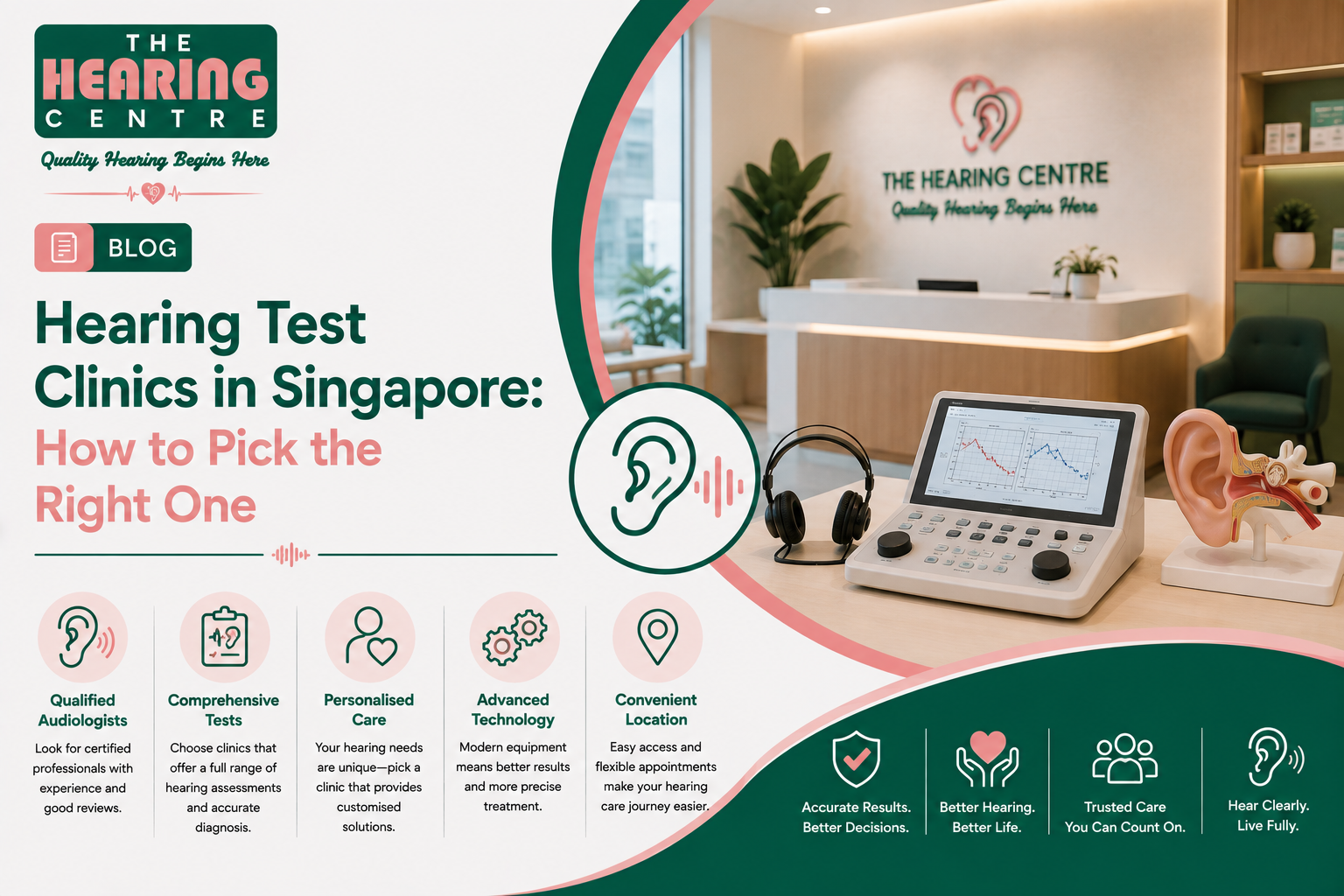
At The Hearing Centre, the process starts with a thorough hearing assessment. Here’s what typically gets involved:
Pure Tone Audiometry This is the standard hearing test. You sit in a soundproof booth with headphones and respond to tones at different pitches and volumes. The results are plotted on an audiogram — a chart showing your hearing threshold at each frequency. For high frequency hearing loss, the audiogram typically shows a drop in the higher frequency ranges.
Speech Recognition Testing Measures how well you understand speech, not just whether you can hear it. This is important because two people with similar audiograms can have very different speech clarity. The test is usually done in both quiet and noisy conditions.
ABR/ASSR Testing Used when more detail is needed about auditory nerve function, especially in cases where standard testing is inconclusive or when assessing younger patients.
Tympanometry Checks how the middle ear is functioning. It rules out conductive issues (like a blocked ear canal or fluid behind the eardrum) that might be contributing to the hearing problem.
To check your hearing frequencies more specifically, you can also look at what a hearing frequency test involves.
Treatment Options for High Frequency Hearing Loss
Here’s the honest answer: hair cell damage is permanent. There’s currently no way to reverse it. What treatment does is help you hear better despite the damage — and done right, it makes a real difference.
Hearing Aids
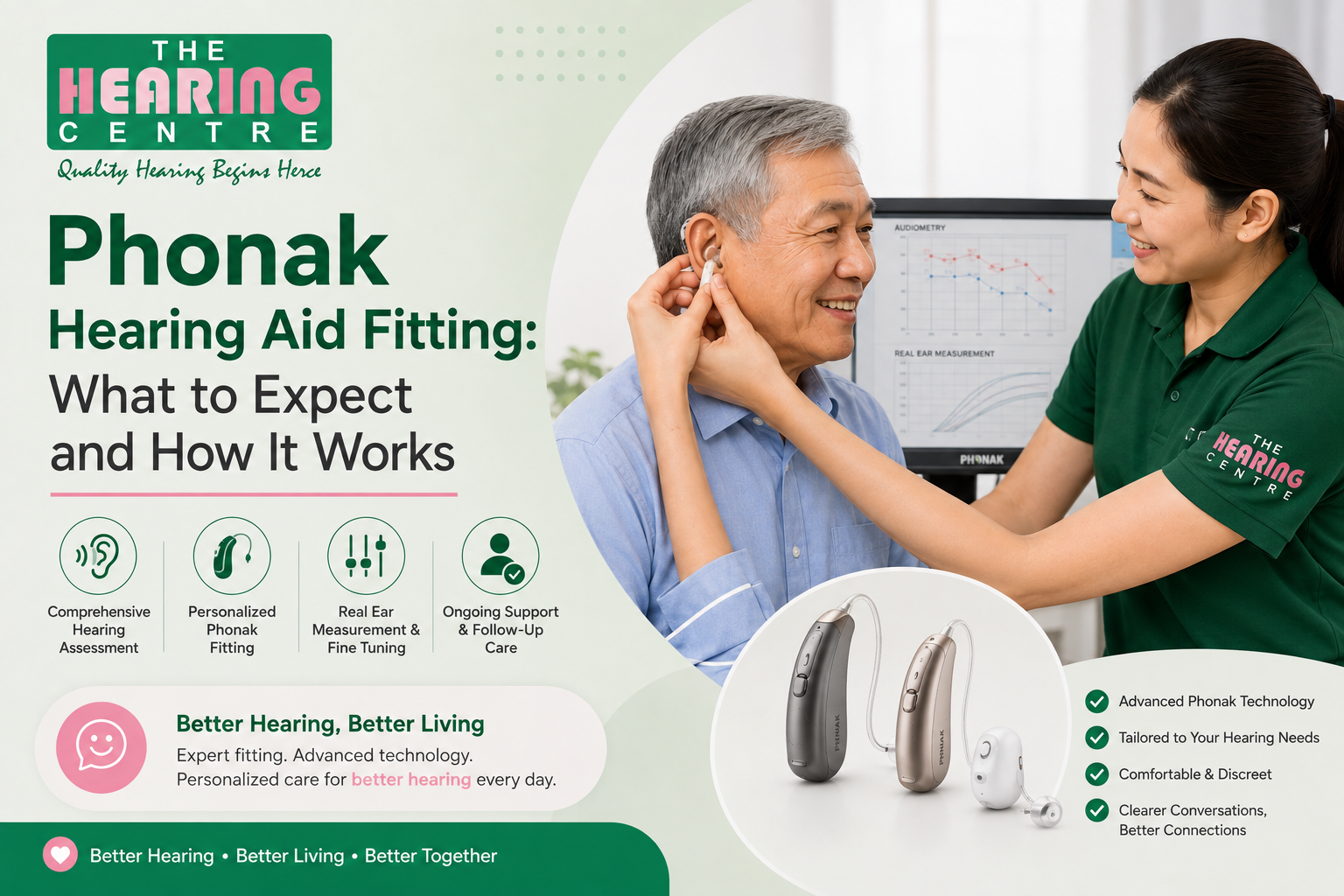
For most people with high frequency hearing loss, hearing aids are the main treatment. Modern digital hearing aids can be programmed to amplify high-pitched sounds specifically, without turning everything up at once. They’re much better at this than older analogue devices.
There are different styles worth knowing about. In-the-canal hearing aids, for example, sit discreetly in the ear canal and work well for mild to moderate high frequency loss. The Hearing Centre carries a range of options across different budgets and lifestyles.
If the cost of different brands is a consideration, here’s a useful breakdown on Phonak hearing aids cost, and you can also explore invisible hearing aids if discretion matters to you.
For more detail on in-the-canal options specifically, take a look at in-the-canal hearing aids (ITC).
The key thing is proper fitting. A hearing aid that isn’t programmed to your specific audiogram won’t give you much benefit. That’s why the assessment before fitting matters as much as the device itself.
Cochlear Implants
For people with severe or profound high frequency hearing loss where hearing aids aren’t providing enough benefit, cochlear implants are sometimes considered. These bypass the damaged hair cells entirely and send electrical signals directly to the auditory nerve.
It’s a surgical option, and adapting to the implant takes time — usually several months with audio-verbal therapy. Not everyone is a candidate, and a full evaluation is needed to assess suitability.
Electric Acoustic Stimulation (EAS)
This is a combination approach — a cochlear implant for the high-frequency range, and a hearing aid for the lower frequencies. It’s used for people who have severe high-frequency loss but relatively preserved low-frequency hearing. Not common, but worth knowing about if the standard options haven’t worked.
Hearing Loss Treatment in Singapore
For a broader overview of what’s available locally, The Hearing Centre has a dedicated page covering hearing loss treatment Singapore options — worth reading if you’re trying to figure out next steps.
Does High Frequency Hearing Loss Get Worse Over Time?
Usually, yes — slowly. Age-related hearing loss is progressive. Noise-induced hearing loss can stay stable if you reduce exposure, but the damage already done doesn’t reverse. Without treatment, the brain also starts to adapt in ways that make wearing hearing aids harder later — it becomes less practised at processing sound, and readjusting takes longer.
This is why earlier intervention tends to produce better outcomes. It’s not about hitting a crisis point before acting. Mild loss treated early is much easier to manage than severe loss left untreated for a decade.
Can High Frequency Hearing Loss Be Prevented?
Some causes, like aging and genetics, can’t be avoided. But a lot of noise-induced high frequency hearing loss is preventable.
Wearing ear protection in loud environments — concerts, construction sites, anything over 85 dB — makes a genuine difference. Keeping earphone volume below 60% of maximum. Taking listening breaks. These aren’t just standard advice; they actually work.
Temporary hearing loss from colds and infections is different but worth managing properly too — here’s more on dealing with temporary hearing loss due to a cold.
Regular hearing checks matter. Most people don’t get their hearing tested until something is noticeably wrong. Getting a baseline audiogram in your 40s and following up every few years means you catch changes early, before they become significant.
Adjusting to Hearing Aids for High Frequency Loss
First-time hearing aid users often find it takes a few weeks to adjust. The world sounds different — sometimes too sharp, too full of background noise. That’s normal. The brain is readjusting to sounds it hasn’t been processing properly for years.
If a hearing aid tube or fit issue is causing problems, that’s fixable — here’s help on what to do if your hearing aid tube keeps falling out.
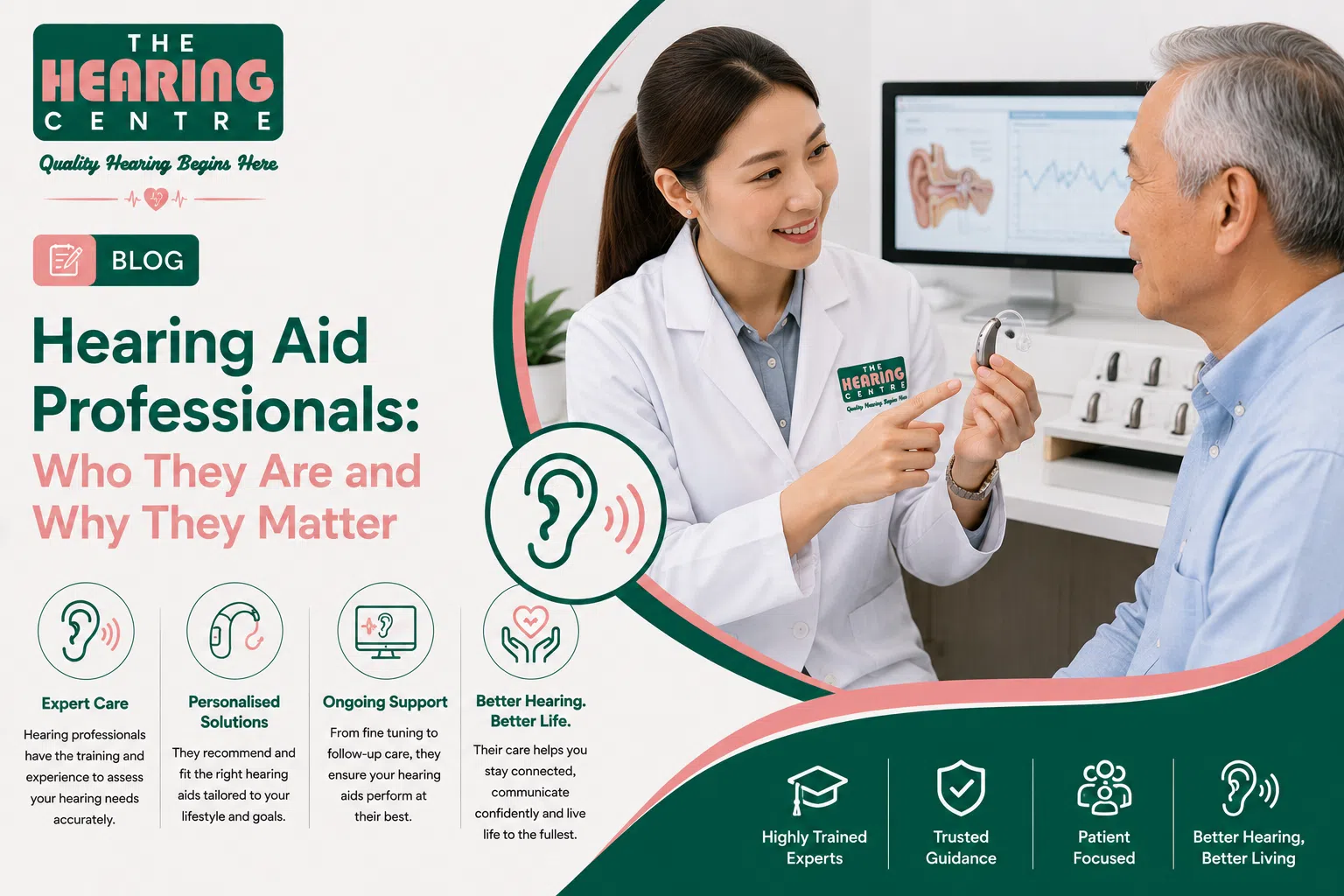
The Hearing Centre works with patients through this adjustment period. The initial fitting is just the start. Follow-up visits, reprogramming, and fine-tuning are all part of the process — because a hearing aid that’s calibrated correctly the first time still needs adjusting as your ears and habits are better understood.
Living With High Frequency Hearing Loss
A few things that genuinely help day to day:
In conversations: Face the person you’re speaking with. Lip movement carries a lot more information than people realise. Good lighting helps too. Background noise is the enemy — moving to a quieter spot, even briefly, makes a big difference. Make sure to sit closely to hear the person talking.
In groups: Don’t bluff. It’s exhausting to pretend you’ve caught everything when you haven’t, and it leads to misunderstandings. Most people are more understanding than you’d expect if you just say your hearing is giving you trouble.
With technology: Many modern hearing aids can connect to phones and stream audio directly. TV listening devices, captioned calls, and voice-to-text tools are all practical options worth exploring.
With your mental health: This part often gets overlooked. Straining to hear all day is genuinely tiring. Social withdrawal, frustration, and anxiety are real side effects of untreated hearing loss. Getting it managed isn’t just about hearing — it’s about not burning out trying to keep up.
Conclusion
High frequency hearing loss is one of the most common hearing conditions out there, and one of the most undertreated but the longer it goes unaddressed, the harder it is to manage.
If conversations are getting harder, if the TV keeps going up, if you’re exhausted after noisy environments — those are signals worth taking seriously.
The Hearing Centre has helped thousands of people in Singapore work through this. Proper testing, honest advice, devices fitted to your actual audiogram rather than a generic setting. If you’re ready to find out where you actually stand, book a hearing assessment and get a clear picture.
For trusted hearing aids Singapore and professional hearing care, The Hearing Centre is a good place to start.
Frequently Asked Questions
It’s when the ability to hear high-pitched sounds — above 2,000 Hz — is reduced. It mainly affects the clarity of speech, particularly consonants like S, F, Sh, and K. You can often still hear that someone is speaking; you just can’t make out what they’re saying clearly.
The two most common causes are aging (presbycusis) and long-term noise exposure. Other contributors include genetics, ototoxic medications, and medical conditions like diabetes or hypertension. Most cases involve more than one factor.
Not currently. The hair cells in the cochlea that get damaged don’t regenerate. What treatment does — primarily hearing aids — is help compensate for that damage and improve how you hear day to day.
Missing consonants in speech, struggling in noisy environments, asking people to repeat themselves, tinnitus, and turning up the volume on TVs or phones more than usual. It often goes unnoticed for years because it comes on gradually.
Through a hearing test — usually pure tone audiometry — which plots your hearing thresholds at different frequencies on an audiogram. Speech recognition tests, tympanometry, and ABR/ASSR testing may also be done depending on the situation.
Hearing aids are the main treatment for most people. They can be programmed specifically to amplify high-pitched sounds. For severe cases where aids aren’t enough, cochlear implants or electric acoustic stimulation may be considered.
Changes can begin as early as the 30s and 40s, though most people don’t notice anything until their 50s or 60s. People with significant noise exposure history may notice problems earlier.
They can’t restore hearing, but they can significantly improve it. A well-fitted hearing aid programmed to your specific audiogram gives you much better access to high-pitched sounds and consonants, which makes speech clearer and conversations less exhausting.
Yes, they often appear together. Damage to the cochlea’s hair cells at high frequencies can trigger tinnitus — that persistent ringing or buzzing. Not everyone with high frequency hearing loss has tinnitus, but it’s a common pairing.
As soon as you notice any of the signs mentioned above — not just when it becomes unbearable. Earlier diagnosis and treatment gives you better options and better outcomes. If the loss came on suddenly, see someone urgently.