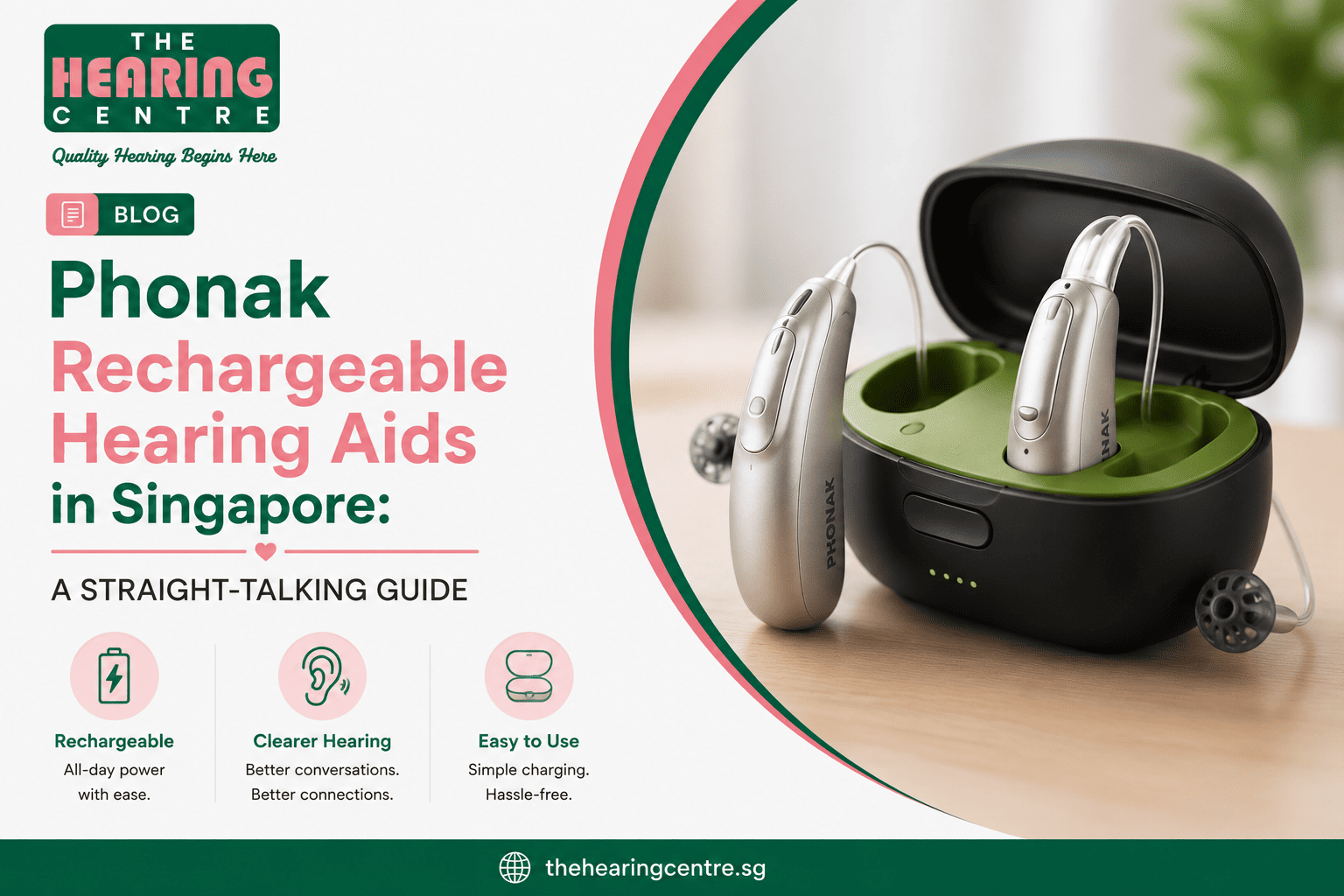
TLDR: Phonak’s rechargeable hearing aids replace disposable batteries with a charging case you use overnight, and most current models comfortably last a full day on one charge, with a fast top-up option if you’re in a rush. The range spans everyday RIC models like Audéo Lumity and the newer Infinio and Sphere, right up to more powerful Naída devices for severe hearing loss. In Singapore, expect to pay somewhere between $2,500 and $8,000 a device depending on the technology tier, and the fitting you get from an audiologist will affect how well it actually works more than the model name on the box. Read on for the real numbers, not just marketing language.
Somewhere between “I’m tired of changing batteries” and “my hearing test results came back and now I need to actually do something about it,” most people end up here, comparing Phonak rechargeable hearing aids against everything else on the market. Fair enough. We went through what’s currently ranking and being written about this exact topic, cross-checked it against what we actually see in the clinic, and put together something more useful than a spec sheet copy-paste.
Why rechargeable replaced batteries almost entirely
Disposable zinc-air batteries used to be just part of owning a hearing aid. You’d carry spares, change them every few days, and occasionally run out at the worst moment — mid-conversation, in a meeting, on a first date, wherever. A few of our older clients still tell us stories about dropping a battery on a dark restaurant floor and giving up on finding it.
The shift to rechargeable batteries solved the annoying part more than the technical part. You drop the hearing aids into a case at night, they’re charged by morning, and there’s no small door to pry open with fingers that don’t move the way they used to. For anyone managing arthritis or reduced dexterity, that alone can be the difference between wearing hearing aids every day and leaving them in a drawer because changing the battery felt like too much effort.
There’s a cost side too. Batteries aren’t expensive individually, but they add up over a year of near-daily changes, and a rechargeable model tends to earn back its higher upfront price in what you stop spending on batteries.
The rechargeable models actually worth comparing
Phonak rechargeable hearing aids aren’t a single product, they’re a whole range, and picking between them mostly comes down to how severe your hearing loss is and how much you care about size versus battery life.
Audéo Infinio and Sphere sit at the top of Phonak’s current lineup. Sphere runs a second dedicated processing chip on top of the usual one, built specifically to pull speech apart from background noise — useful if hawker centres, crowded MRT platforms, or big family dinners are where your hearing struggles the most. Worth knowing: Sphere’s extra processing mode drains the battery faster than the standard setting, so battery life here runs shorter than other Phonak models, closer to 16 hours with some streaming.
Audéo Lumity is one generation older but still very capable, and it’s genuinely what a lot of our clients pick once they see the price gap against Infinio. It handles noisy rooms well and pairs with Phonak’s Roger microphone accessories if you need extra reach in a lecture hall, place of worship, or large meeting.
Naída is the one for people with more significant hearing loss, moderate to profound. It has noticeably more amplification power than the Audéo line and is usually where the conversation goes once someone’s been told a standard hearing aid won’t cut it.
Virto covers the smaller, custom-shaped, less visible options. Battery life is shorter here simply because there’s less physical room inside the shell for a battery. If discretion matters more to you than an extra several hours of runtime, it’s still a fair trade.
CROS models aren’t hearing aids in the traditional sense — they’re for single-sided hearing loss, picking up sound from your non-hearing ear and sending it across to the working one.
Our Phonak hearing aids in Singapore page has the fuller model breakdown if you want to compare specs side by side before your appointment.
The charging details people actually want to know
Most Phonak rechargeable hearing aids use a charging case, and a full overnight charge typically takes two to three hours, giving you close to a full day of normal use — somewhere in the 16 to 24 hour range depending on the model and how much you’re streaming audio. If you forgot to charge overnight or you’re heading out the door, a quick 15-minute top-up buys you a few extra hours, which has saved more than one client’s evening plans.
Some of the newer portable charging cases, like the one used with the Sphere range, hold multiple full charges inside the case itself, which is handy for travel since you’re not hunting for a power outlet every night.
Features that actually matter day to day
The myPhonak app gets used more than people expect once they have it. You can nudge the volume, switch listening programmes for different environments, or check remaining battery time, all from your phone instead of reaching up to fumble with the device itself — which matters more than it sounds like it should when you’re mid-conversation at a dinner table.
AutoSense OS is the automatic environment detection running quietly in the background, adjusting settings depending on whether you’re in a quiet room, a noisy street, or somewhere in between, without you touching anything.
Bluetooth connectivity lets calls, music, and TV audio stream straight into the hearing aids, and most current models pair with several devices at once. Moisture and dust resistance genuinely matters here too — Singapore’s humidity and sudden downpours aren’t kind to any electronics, hearing aids included, and current models are rated to handle rain, sweat, and short water exposure, though they’re not built for swimming.
None of this replaces getting properly fitted, though. A rechargeable hearing aid that isn’t programmed to your actual hearing loss is just an expensive Bluetooth earpiece.
What it actually costs in Singapore
Pricing for phonak rechargeable hearing aids generally lands between SGD 2,500 and SGD 8,000 per device. Entry-level rechargeable models sit near the bottom of that range, while the newest Infinio and Sphere devices, with the extra noise-processing chip, sit near the top. A pair costs roughly double a single device, though some clinics knock a bit off for buying both together.
What actually moves the number:
- Technology tier — basic, mid, or premium sound processing
- One device versus a pair
- What’s bundled into aftercare, like follow-up adjustments, cleaning, and servicing
- Extras such as a second charging case or a Roger microphone
- Optional device insurance covering loss, theft, or accidental damage
Our Phonak hearing aids cost page has a fuller breakdown by specific model if you want real numbers instead of a range.
Who tends to benefit the most
Seniors, more than anyone else, honestly. Removing the fine-motor task of handling a battery smaller than a coin makes a genuine difference for people managing arthritis or shaky hands. If you’re helping a parent choose, our hearing aids for elderly page covers what to look out for specifically.
People who spend their day on calls tend to like the app control and streaming, since it lets them adjust things discreetly instead of visibly fiddling mid-meeting. Active people appreciate not having a battery compartment to worry about during a sweaty run or a rainy commute. And a few clients managing tinnitus have found the built-in sound therapy settings on certain Phonak models genuinely useful, though it’s worth raising directly with your audiologist since not every model includes it.
The fitting matters more than the brand name
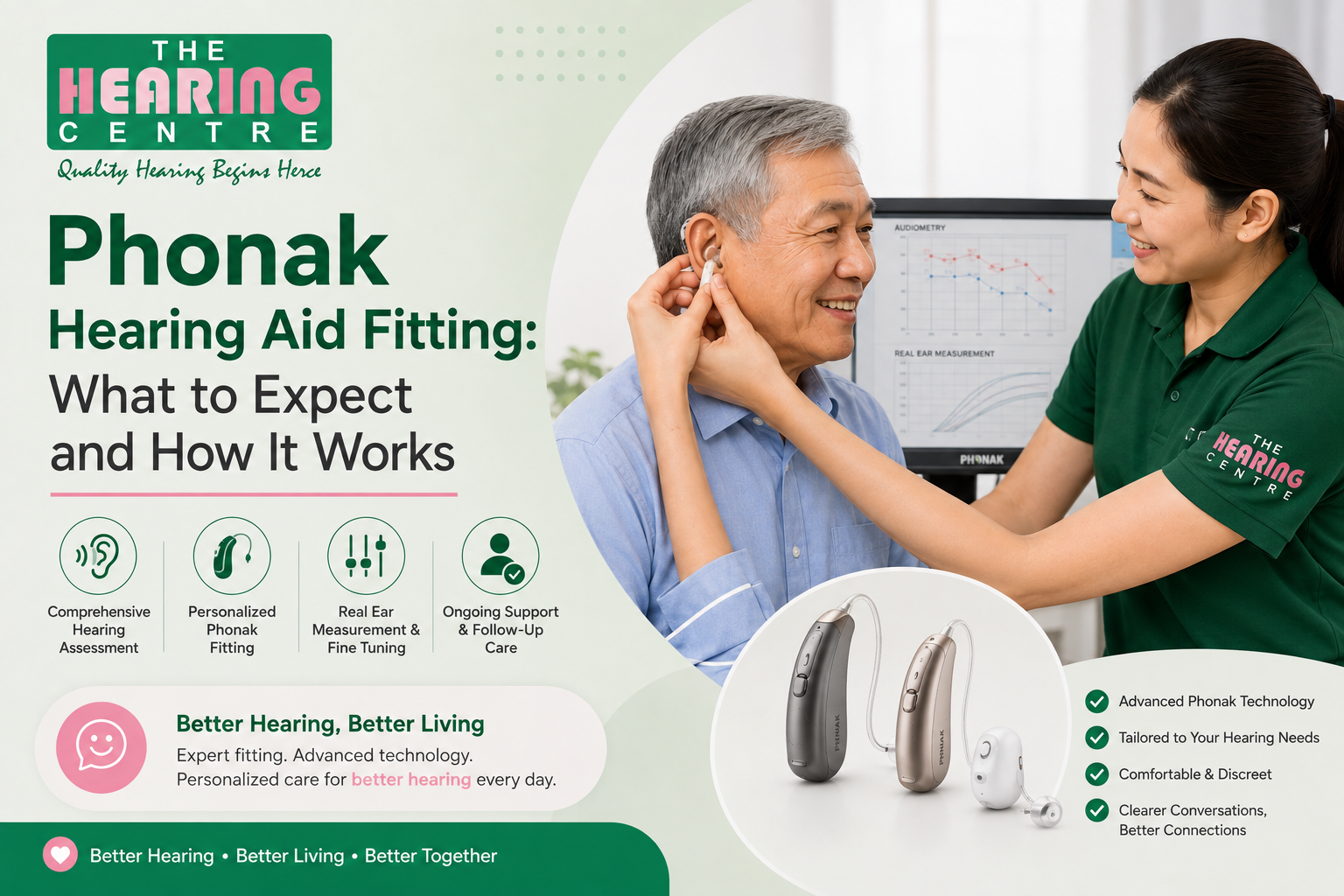
We say this constantly because it’s still true: the device is maybe half the equation. A trained audiologist in Singapore running a proper hearing assessment and programming the device to your actual hearing profile is what determines whether you hear better, not the model number printed on the box.
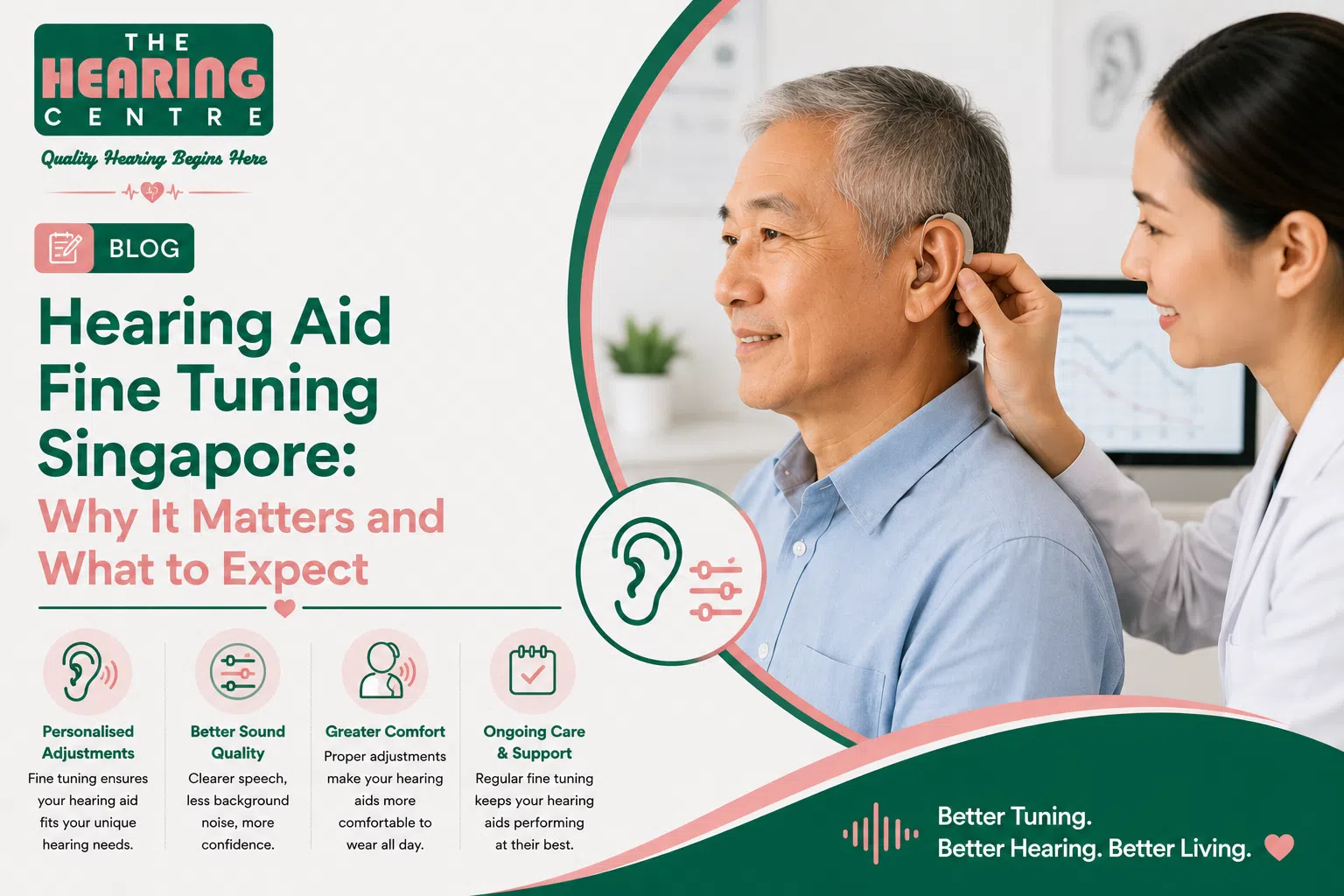
Expect a hearing test, ear measurements, a fitting session, and at least one follow-up visit a few weeks in. Your brain needs a bit of time to relearn how to process amplified sound, and that adjustment period is normal, not a sign something’s wrong with the device.
How Phonak stacks up against Signia, Starkey, Oticon, and ReSound
Briefly, since people ask constantly: Phonak tends to edge ahead on speech-in-noise performance and Bluetooth connectivity range. Signia leans toward a very natural, unprocessed sound signature. Starkey has pushed hard into health tracking and currently offers some of the longest battery life on the market, over 50 hours on certain models. Oticon focuses on an “open sound” philosophy that some users find less mentally tiring over a full day.
None of them is objectively best — it comes down to your specific hearing loss, your lifestyle, and how a device actually feels in your ear once it’s fitted, which no comparison chart can tell you.
Why we’d steer you away from buying online
We’ll say the slightly unpopular thing: skip the marketplace listings and grey-market sellers, even the ones claiming genuine Phonak stock. A prescription hearing aid bought without a proper fitting is programmed to a generic profile, not your actual hearing loss, and you lose the local warranty support that makes future servicing and adjustments possible. It’s usually cheaper upfront and considerably more frustrating over time.
Why clients end up at The Hearing Centre for this
We don’t push whichever brand happens to be on promotion that month. Our audiologists go through your hearing test results and your actual daily routine before recommending anything, and if Phonak isn’t the right fit for you specifically, we’ll say so directly. We also handle the less glamorous parts afterward — cleaning, adjustments, warranty claims, and the small questions that tend to come up a few weeks in, not just on the day you buy.
If you want a real answer, not a spec sheet
Reading about chip names and battery hours only gets you so far when you’re comparing phonak rechargeable hearing aids against everything else out there. The real test is wearing a device through your own routine, which is why we’d rather book you in for a proper hearing test than have you decide off a webpage. If you’re anywhere in Singapore and searching for Hearing aids Singapore, get in touch and we’ll find a time that works.
Frequently Asked Questions
Most phonak rechargeable hearing aids run 16 to 24 hours on a full overnight charge, less if you’re streaming audio heavily or using a power-intensive noise-reduction mode.
No. They need to sit in the case to charge, which is why most people do it overnight while sleeping.
A bit more upfront, yes, but you’re not buying disposable batteries for years afterward, so the total cost tends to even out over time.
Typically around three to five years before it starts holding less charge, at which point it can usually be serviced or swapped rather than requiring a whole new device.
Most clinics, including ours, offer a trial period so you can wear the device through your actual daily routine before deciding.
Yes. Prescription hearing aids are calibrated to your specific hearing loss, and skipping the test means the device won’t be properly programmed for you.
Some support schemes exist depending on citizenship status, income, and age. It’s worth raising during your consultation since eligibility varies by individual case.
Most Phonak devices come with a manufacturer warranty, and clinics like ours handle repairs and servicing directly rather than leaving you to deal with the manufacturer alone.
Yes. Models like the Naída are built specifically for moderate to profound hearing loss and are available in rechargeable versions.
Water-resistant, not waterproof. Current models can handle rain, sweat, and brief water exposure, but swimming or prolonged submersion isn’t recommended.